A cemetery is an unusual business. It sells a plot once, collects the money once, and then owes maintenance on that plot for as long as anyone can foresee. The mechanism that made this work is the perpetual care trust: a portion of each sale is set aside, invested, and the income — not the principal — pays for mowing, fencing, roads and record-keeping, indefinitely.
It is an elegant arrangement and it depends on two assumptions. The trust must earn enough to cover maintenance, and new sales must keep adding to it. Both have weakened, and in a great many cemeteries they weakened at the same time.
Both halves broke at once
The income half went first. Perpetual care trusts are conservatively invested by statute, usually into fixed income, which is the correct posture for a fund that must exist forever and the wrong one for a long stretch of very low yields. A trust sized in an era of higher rates to throw off enough to cut the grass now throws off materially less in real terms, while the grass grows at the same speed and the people cutting it cost more.
The contribution half went next, and this one is structural rather than cyclical. Cremation is now the majority choice across most of the country, and a cremation frequently involves no plot at all — no sale, no contribution to the trust, and often no ongoing maintenance obligation either, which sounds like a wash and is not. The cemetery still maintains everything sold in the previous century, funded by a trust that has largely stopped growing.
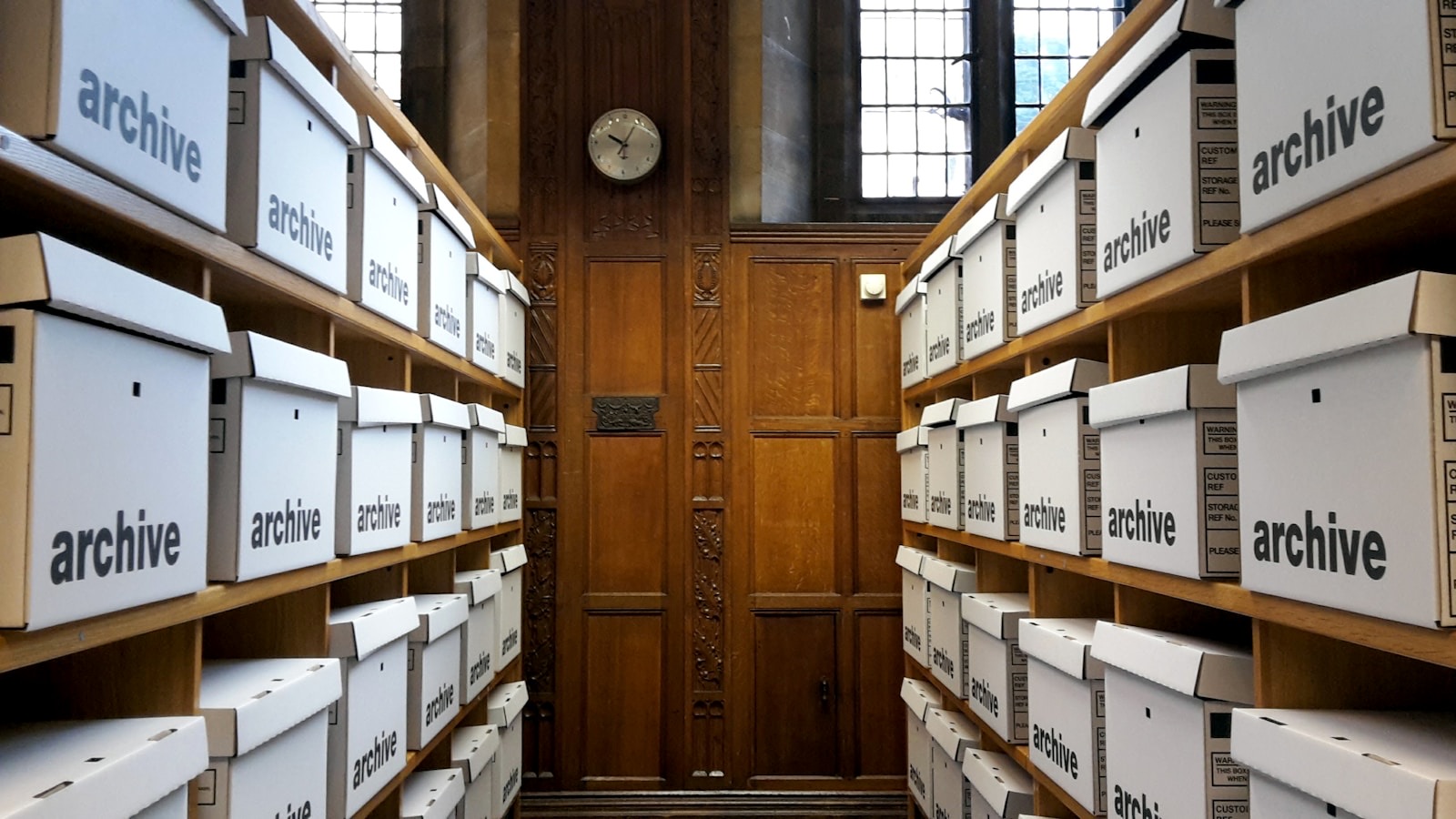
What happens when the arithmetic fails is not dramatic and it is difficult to reverse. Maintenance intervals stretch, sections furthest from the entrance are mowed last and then not at all, roads deteriorate, and records — often paper, often held in one place — become the real emergency, because a cemetery whose records are lost cannot reliably say who is buried where. Municipalities inherit the result, typically after an abandonment, and discover they have acquired a permanent obligation with no revenue attached.
This is the same shape as several other quiet municipal problems arriving at once. It is the church building the congregation can no longer maintain and the municipal pool that costs more to replace than a town's whole capital budget — assets built by a more populous, more institutionally attached era, handed to a smaller one with the maintenance still attached.
Where operators have found room, it has come from redefining what the ground is for. Cemeteries with mature tree cover and walking paths are functioning as parks, and several have leaned into it deliberately: birding groups, historical tours, running routes, occasional programming. It does not fill a trust, and it does change who considers the place theirs, which turns out to matter when a council is deciding what to fund.
The uncomfortable part is that nobody can be asked to pay twice. The families who bought those plots paid for perpetual care and received a promise from an institution that priced it using assumptions that did not hold. There is no version of this where the original arrangement is honoured on its own terms.
Topics culturelocal governmentinstitutions