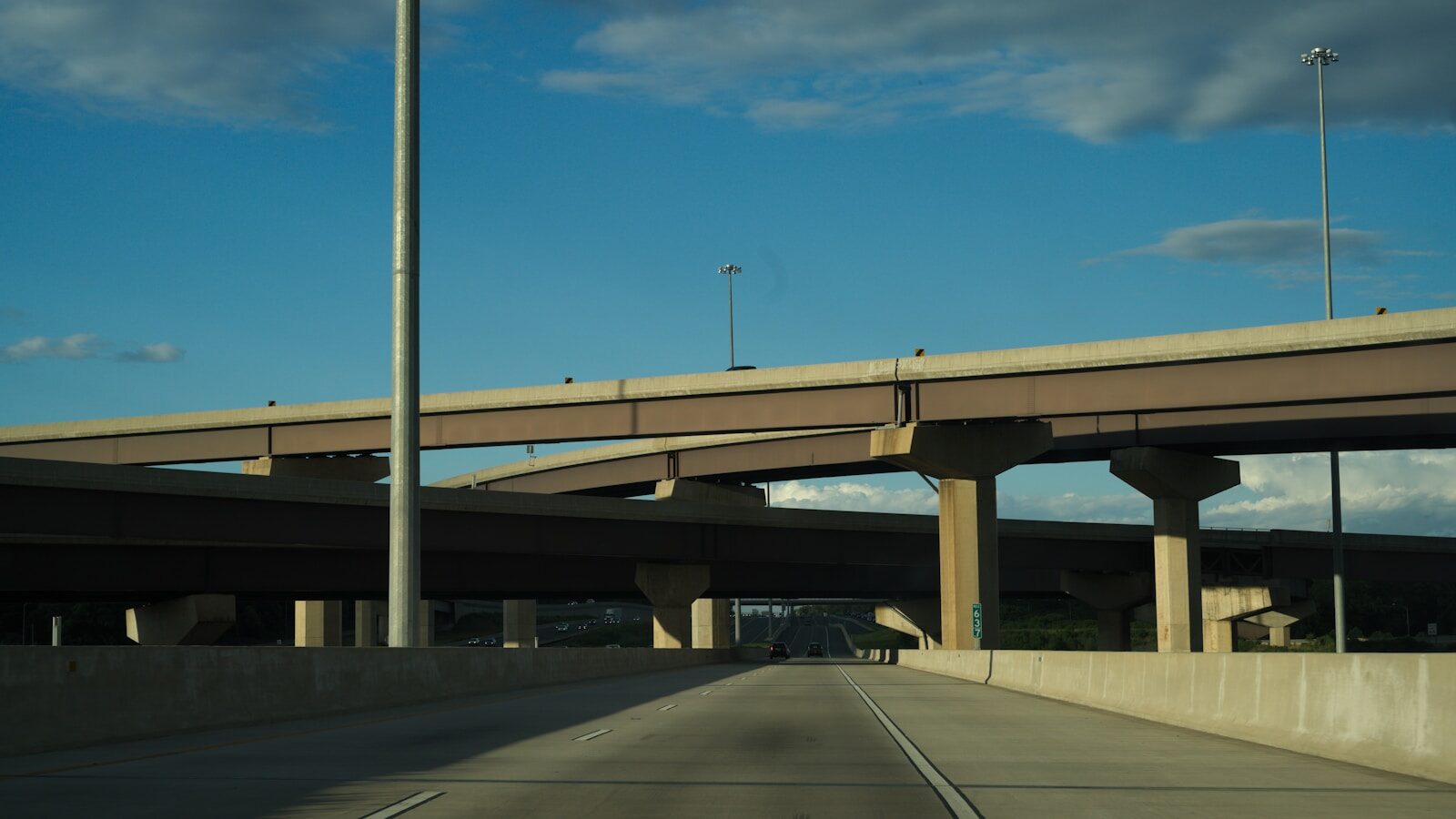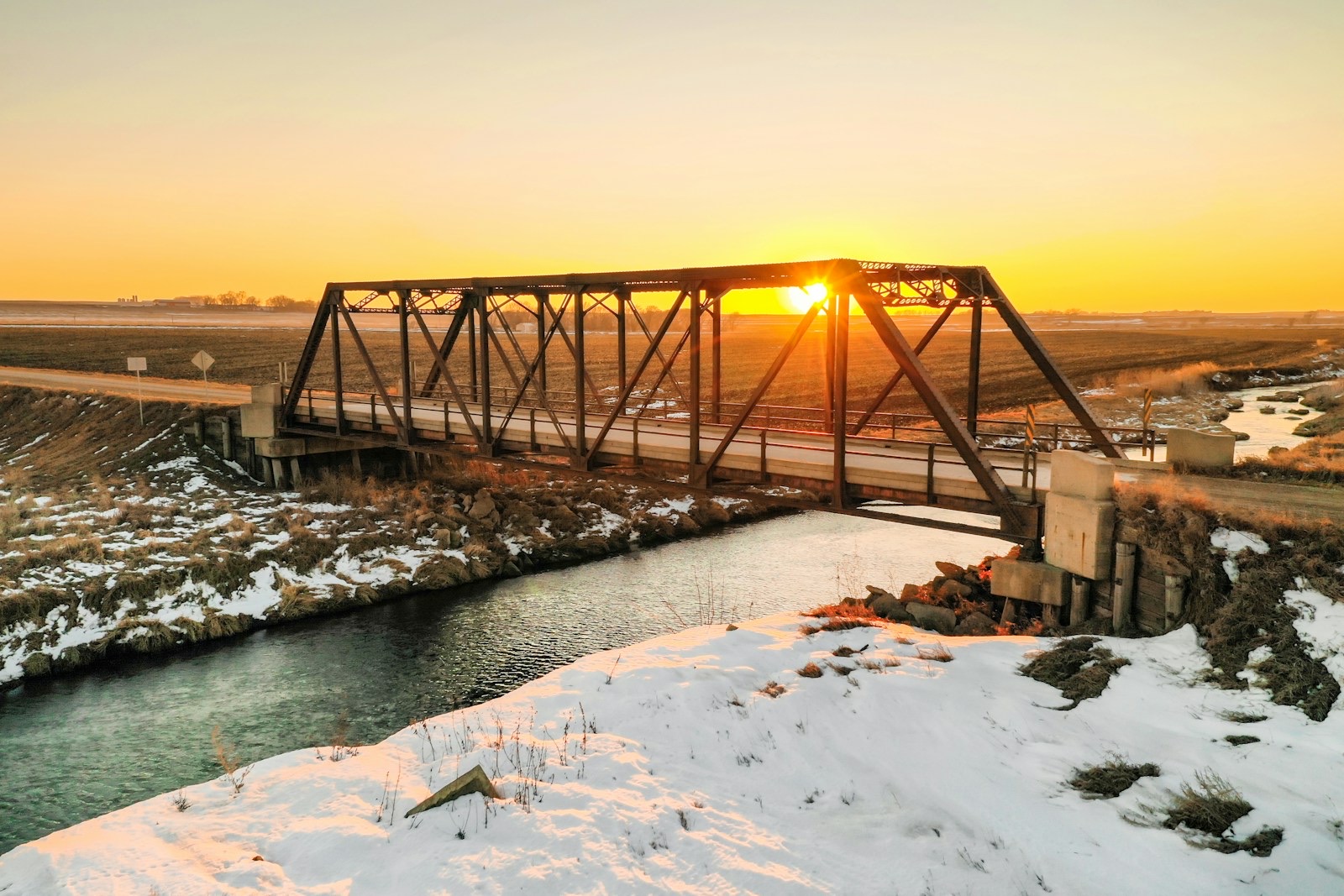
A bridge rarely closes. What happens instead is quieter and harder to argue with: an inspection downgrades its rating, a county posts a lower weight limit, and the structure carries on looking exactly as it did the week before. Nothing is boarded up. Nothing makes the news.
The effect is a closure for anything heavy. A posted limit sorts traffic into vehicles that may cross and vehicles that must go around, and the second category contains most of what a rural economy actually moves — a loaded grain truck, a milk tanker, a concrete mixer, a fire engine.
The detour is the cost, and nobody bills for it
Rerouting is where the expense lives. A limit that adds fifteen miles to a farm-to-elevator run adds it to every load of every harvest, indefinitely, and the operator absorbing it has no line item to point at. Multiply across a county's postings and the aggregate is substantial, entirely private, and invisible to the public accounts that decided not to replace the bridge.
It lands on services too. School districts redraw bus routes around postings and pay for the extra hours. Emergency response is worse, because fire apparatus is heavy and a posting can put a station on the wrong side of a structure it has crossed for decades — an especially unhelpful development where the department is already struggling to field a crew.
The engineering is not mysterious and neither is the arithmetic. A great many of these structures were built within the same postwar decades to standards set for lighter trucks, and they are reaching the end of their design lives at roughly the same time, which means the replacement bill arrives as a wave rather than a schedule. Counties own most of them and have the least capacity to pay, so postings function as the affordable option — a way of extending service life by removing service.
Meanwhile the loads went the other way. Legal truck weights rose over the same period, agricultural equipment grew substantially heavier, and delivery patterns that once ran through a few consolidated shipments now run as constant smaller ones. The structures got older against traffic that got heavier, which is the whole story in one sentence.
The funding mechanism is not built for it. Fuel tax revenue is no longer paying for the roads it was designed to fund, and bridge replacement competes inside that shrinking pool against resurfacing, which is more visible and far more popular. The result is the pattern already familiar from water systems that deferred maintenance until deferral stopped working: the cheap option was never cheap, it was borrowed.
What makes bridges distinct is that the failure mode is administrative rather than dramatic. Very few collapse. They get posted, then posted lower, then closed to everything but passenger cars, and the economy around them quietly reorganises to avoid them. By the time a replacement is funded, the traffic it was meant to carry has spent a decade going another way.
Counties that have moved fastest did one unglamorous thing first: they inventoried, ranked by detour cost rather than by condition score, and discovered the worst structures were rarely the ones in the worst shape. They were the ones with no alternate route.
Topics nationalinfrastructurefreightrurallocal government