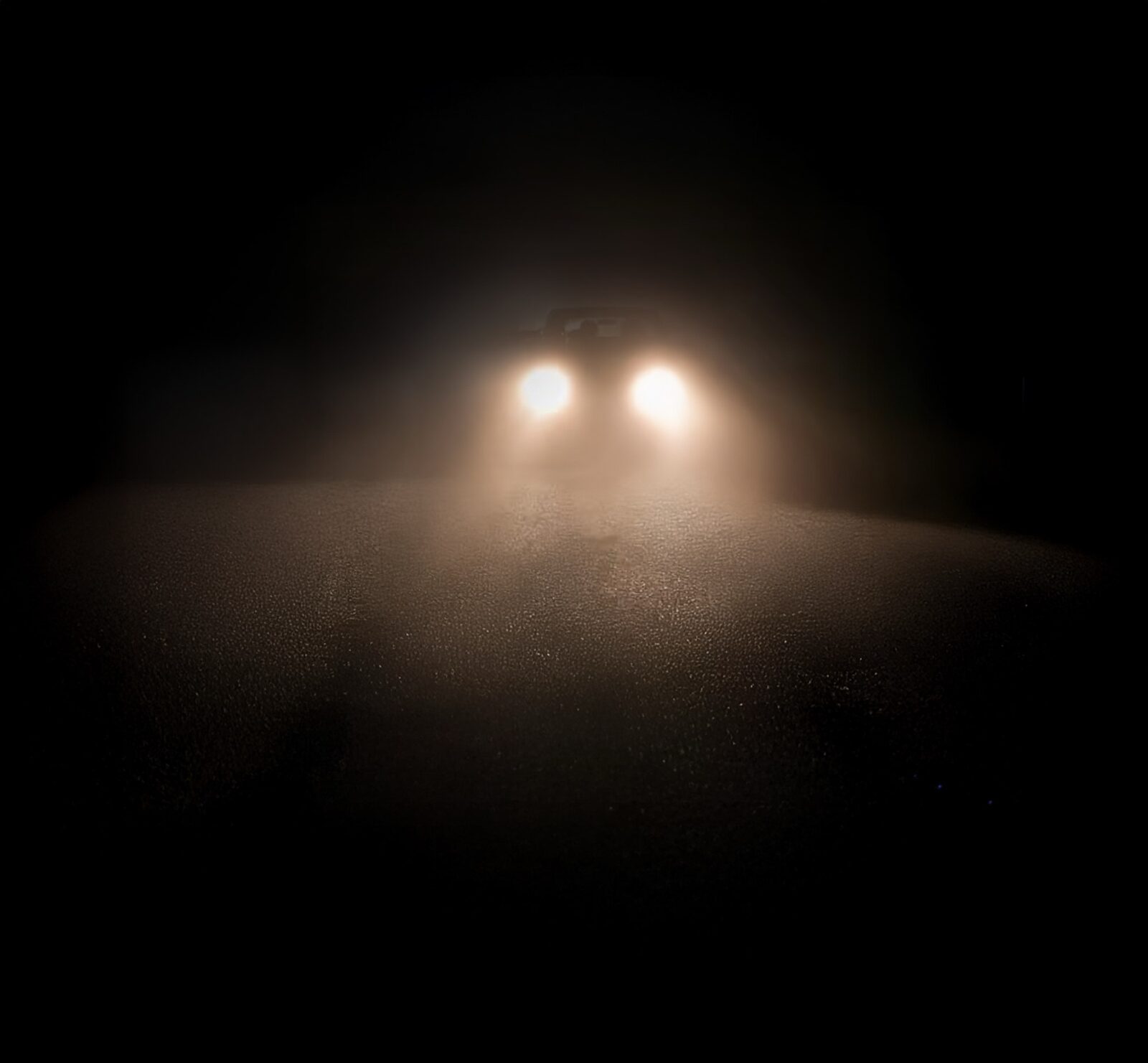
The rideshare economy runs on a few seconds of verification and years of habit. You check a plate, you glance at a photo, you get in the car. RYDE, an upcoming vampire film executive produced by James Marchioni, is built on that habit, and on what happens the one night it fails.
The logline is short. A young woman storms out of a party after a fight with her boyfriend, orders a ride home, and gets into the car that matches her screen. The driver isn't what he appears to be. The filmmakers are saying little beyond that, which is the right call. A premise this clean doesn't need extra plumbing, and horror usually works better when the audience knows less.
Caitlin Serros stars as the passenger, and the movie is hers to carry. The role asks her to move from vulnerability to suspicion to outright terror inside a confined space, and the production says she kept it believable the whole way instead of playing the panic at full volume from the first scene. The filmmakers credit her with taking what was on the page and raising it. Since the film only works if the audience buys her fear, that's not a courtesy compliment. That's the movie.
Marchioni is doing the actor-producer double, playing the driver while helping steer the production. He came up in the Vine era working alongside some of that platform's biggest names, which taught him early how to hold an audience with no budget and no safety net. RYDE is his bigger swing. His choice for the character is a smart one, pleasant, punctual and instantly forgettable, which happens to be the actual product these apps sell. Nobody knows their driver. Nobody wants to. The whole arrangement depends on not thinking about it, the same frictionless logic now removing the checkout from retail entirely.
The rule that outlived every other revision
Under the app-era dressing, RYDE is working with the oldest tool in the vampire kit. The monster can't come in unless you invite him. Every generation has bent the mythology to fit its own fears, but that one rule keeps surviving the rewrites, and this film found its current form. The invitation is a trip request sent from a curb at 1 a.m. The threshold is a rear passenger door she opens herself, checks against her screen, and pulls shut.
Behind the camera, Paul Quattrocchi is credited as writer, director and editor, which means one person controls the story from the page through the set to the cut. That includes the editor's most powerful lever, deciding exactly when the audience sees what's coming, and when it doesn't. His résumé spans work connected to MrBeast and editing for Netflix, and that mix of digital pacing and traditional craft reportedly shows all over the finished film.
The Los Angeles setting matters too. This is a city that hands most of its late-night miles to strangers, and anyone who has lived here has a story about a ride that felt off. A silence that sat wrong. A turn that didn't match the map. And a decision to ignore all of it because the app had the route. That quiet override is the real currency of the platform age, the same trade running under businesses that have figured out they're selling belonging rather than goods. RYDE just delivers the bill.
The team is keeping the ending under wraps, which is the right move. The official site at RydeMovie.com offers a single tagline, and it reads like a fare estimate from hell: some rydes last forever.
For a hundred years, the vampire had to be asked. We ask now, tens of thousands of times a night, without ever calling it asking. He's three minutes out, and your phone just told you he's arrived.
Topics culture