For two decades, the checkout page was e-commerce's great villain, the place where carts were abandoned and margins were made or lost. An entire optimization industry existed to shave fields from forms.
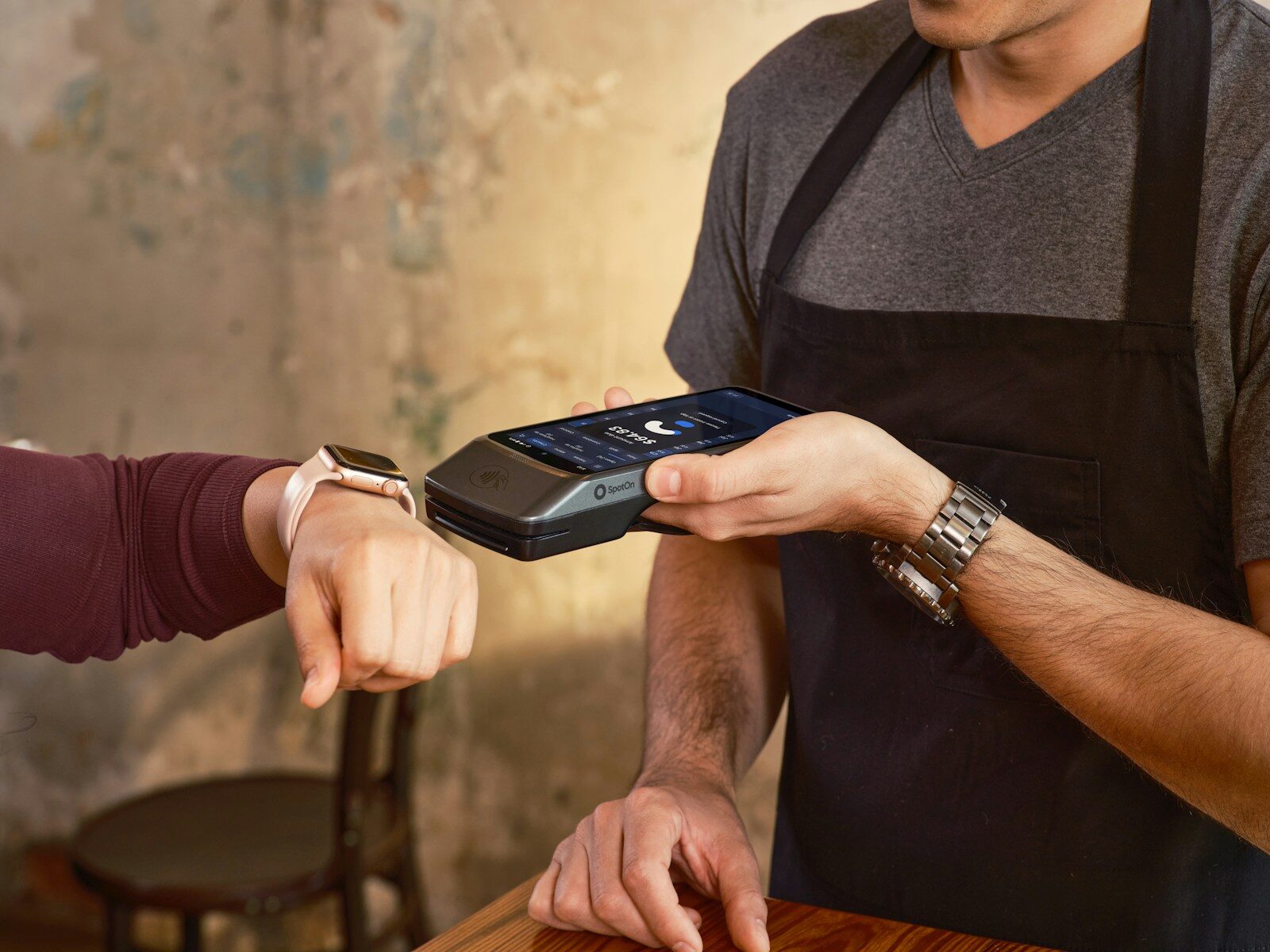
The villain is now simply leaving the stage. Between stored credentials, one-tap wallets, pay-by-bank rails and, at the frontier, AI agents that complete purchases on a customer's behalf, the deliberate act of checking out is dissolving into the background of commerce.
The merchant's dilemma
Retailers, who spent years demanding exactly this, are discovering the trade. The checkout was friction, but it was also the merchant's final owned moment: the upsell, the loyalty enrollment, the email capture. As payment moves into wallets and agents, that moment increasingly belongs to the platform holding the credential.
The concern sharpens with agent-driven purchasing. When software shops on a customer's instructions, the storefront itself may never be seen. Merchants describe preparing for a world where their true customer interface is structured product data, machine-readable pricing, availability and terms, rather than a designed page.
Who holds the credential wins
The strategic contest underneath is old and familiar: whoever holds the payment credential holds the relationship. Banks, wallet platforms and now AI assistants are competing to be the default, and merchants are being reminded, not for the first time, that convenience for the customer usually means consolidation above the merchant.
The checkout is dying. The fight over what replaces it has barely begun.
The credit decision embedded in that frictionlessness is now getting its own scrutiny, as installment lending at the checkout becomes visible to the credit bureaus for the first time.
Topics paymentstechnologyretail