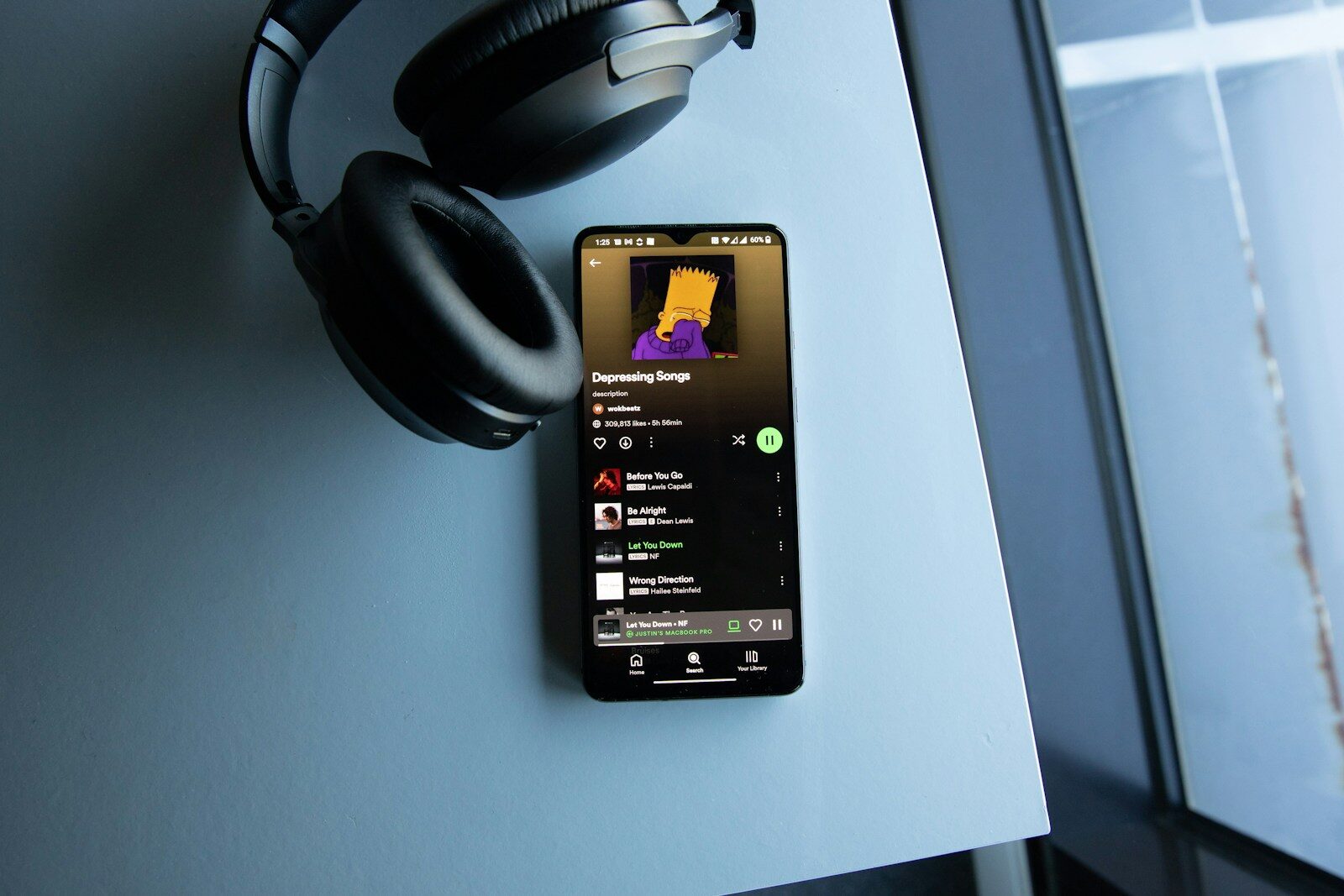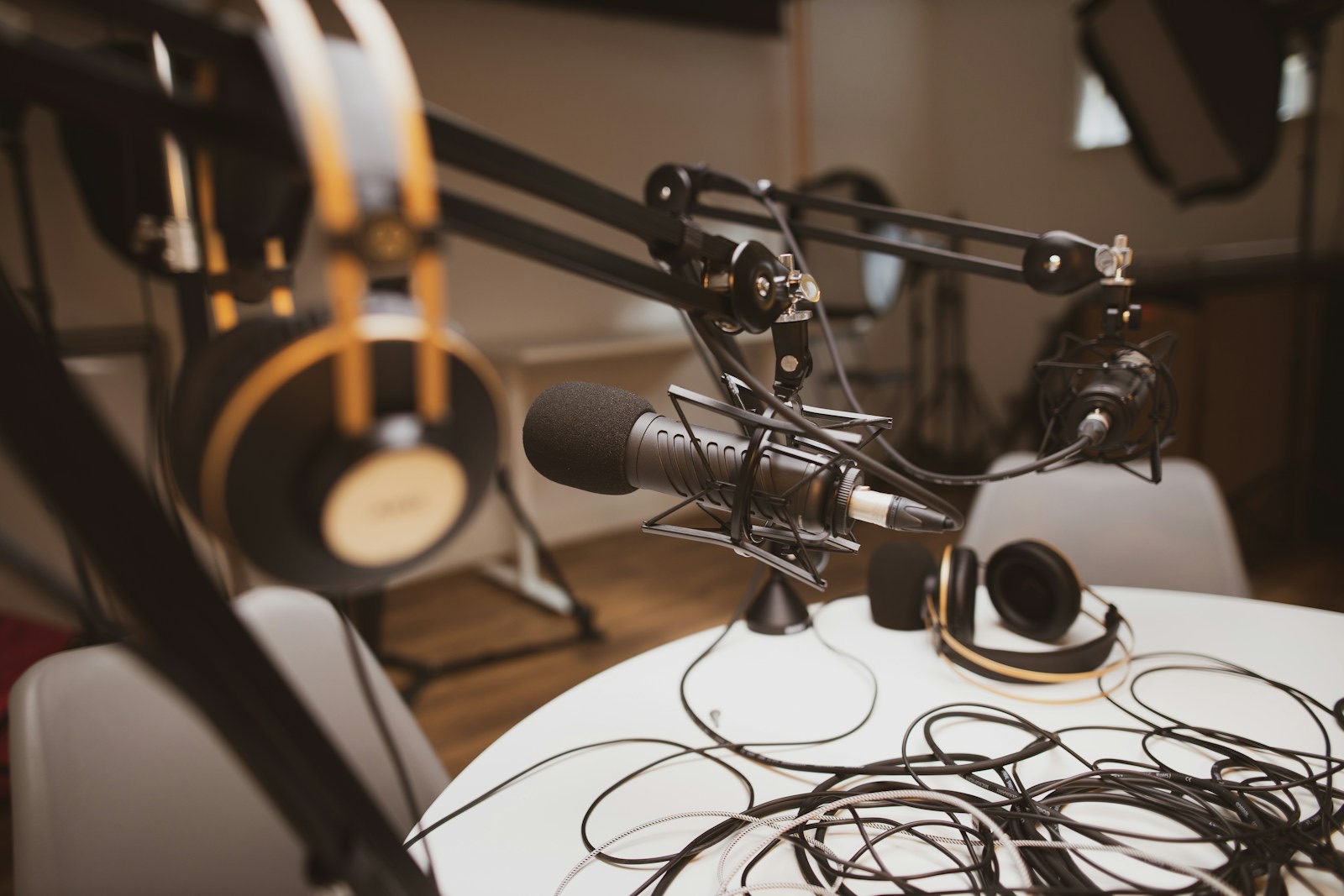
Podcasting's founding advantage was that it asked almost nothing of anyone. A microphone, a quiet room and an hour produced something distributable, and the audience listened while driving, cleaning or walking. The absence of video was not a limitation; it was the whole proposition, for the maker and the listener alike.
That proposition has been quietly withdrawn. The shows growing now are shot, lit, multi-camera and clipped, and the reason is not that audiences suddenly want to watch people talk. It is that discovery moved.
The camera is a distribution decision
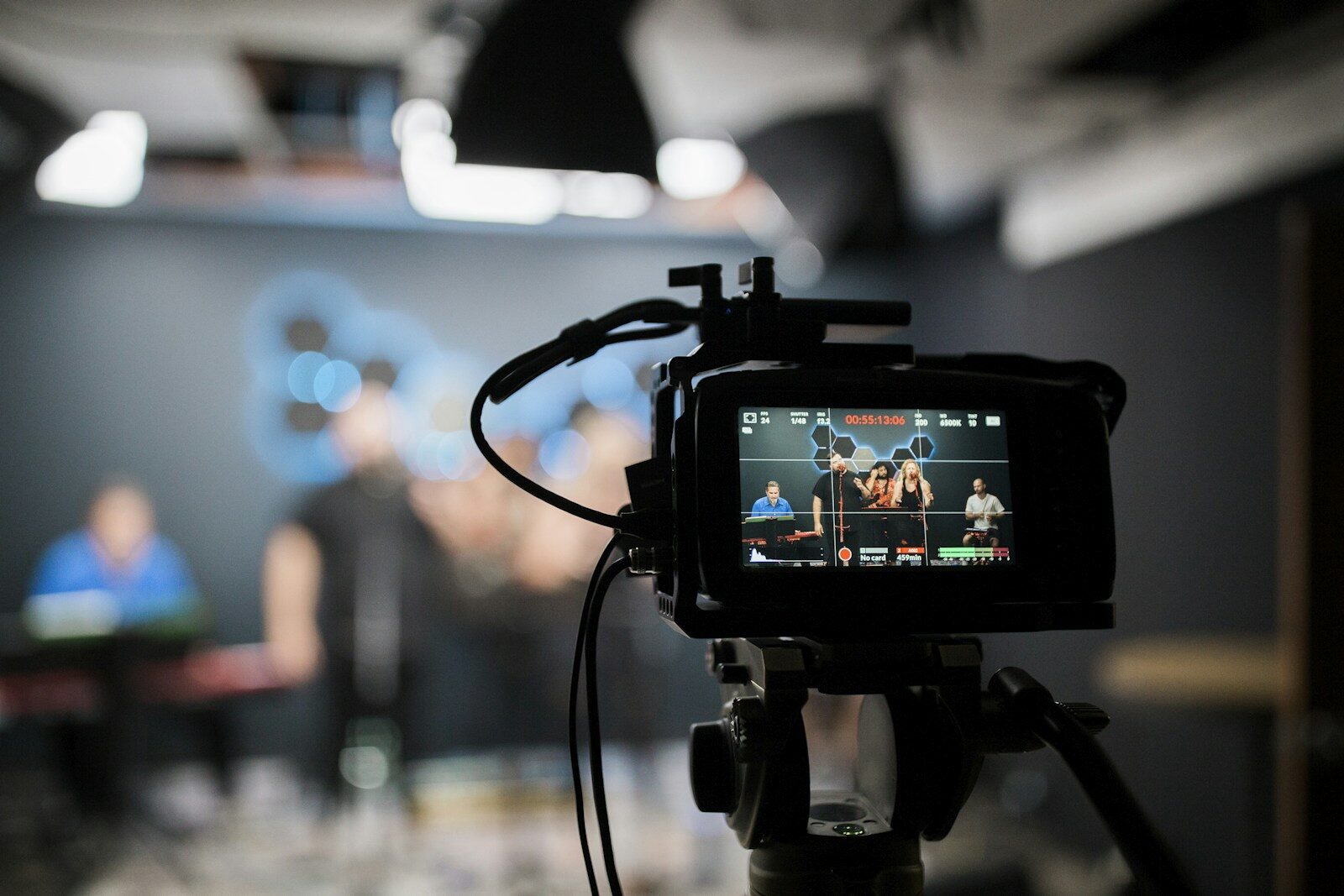
Nobody finds a new audio show by browsing an audio app. They find it because a ninety-second clip appeared in a feed, and a clip requires footage. A show without video can be recommended by a friend or an algorithm that already knows it; it cannot be stumbled across, and stumbling across things is now how audiences are built.
That makes the camera a distribution expense rather than a creative choice, which is why so many hosts who have no interest in being on screen have bought one anyway.
The cost structure changes more than it first appears. Cameras, lighting and a room that looks like something are the visible part. The recurring part is editing: a video episode plus a set of vertical clips is several times the post-production of an audio file, and it is skilled work. A format whose defining feature was that one person could sustain it now supports a small team, which alters who can make one.
Advertising is the compensation and it is substantial. Video inventory attracts brands that never bought audio, measurement is far better, and the clips carry sponsorship into feeds the show does not own. Rates reflect that. The economics improved for shows able to make the transition, which is the honest reason the industry moved.
Where it leaves the audio-only show is not extinction but a different niche: known audiences, narrow subjects, professional listeners who were never going to watch anything. That is broadly where advertisers quietly fell for the niche podcast — small, defined, valuable, and not dependent on discovery because the audience already knows why it is there.
It also puts podcasting on the same footing as everything else competing for attention, which is the part that should worry makers. An audio show used to occupy time nothing else could reach — the commute, the washing up. A video show competes directly with everything on the platform hosting it, and does so with the least visually interesting format available: people sitting down, talking.
The people who adapted best are not from audio at all. They arrived from video, treat the audio feed as one output among several, and are structurally similar to the one-person video newsroom — build once, cut for every surface, and let the platform decide which version finds an audience.
Topics mediavideoadvertising