The average American farm operator is well past what any other industry would call retirement age, and the land under them has appreciated for two decades. Those two facts are usually reported as separate stories. Together they describe a transfer of productive assets that is happening now and has almost no mechanism for keeping the buyer and the operator in the same person.
The arithmetic is what forecloses it. Land priced on appreciation cannot be serviced by the income it produces from farming, which means a young operator cannot buy it on the strength of what it will grow. Someone with a lower cost of capital and a longer horizon can, and increasingly does.
What replaces the owner-operator
The buyers are varied and share a characteristic. Institutional investors treat farmland as an inflation-linked real asset with low correlation to equities, which is a genuine portfolio property rather than a fashion. Larger neighbouring operations buy to spread equipment costs across more acres. Retiring farmers themselves often keep the land and rent it out, becoming landlords rather than sellers, which is the most common outcome and the least discussed.
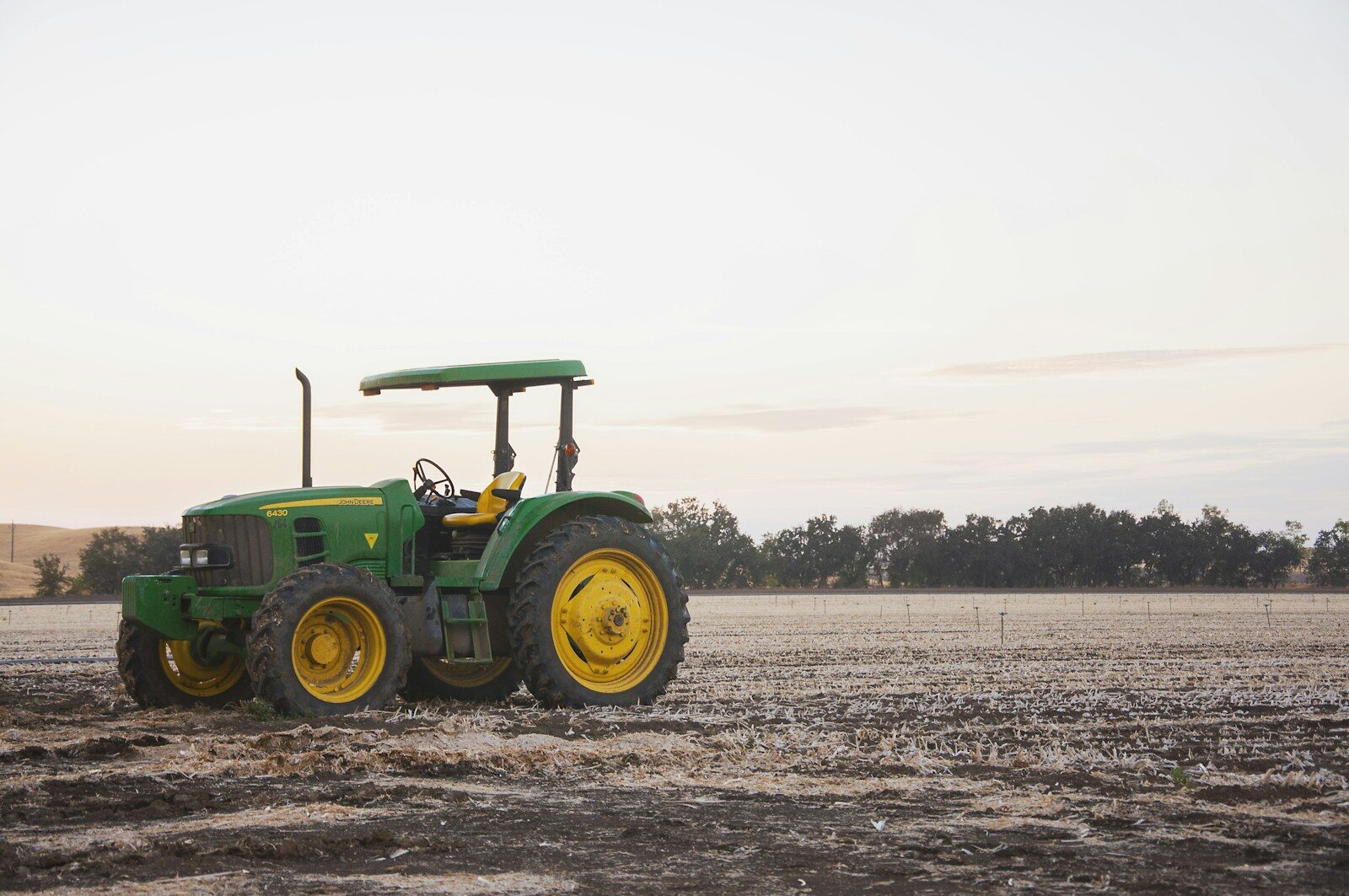
The result is not corporate agriculture in the caricatured sense. Most of this land is still farmed by families. It is farmed by families who rent it, which changes their economics considerably: a tenant carries operating risk without building equity, and the improvements with the longest payback, drainage, soil structure, anything whose return arrives over decades, are the hardest to justify on a lease that may not be renewed.
This is the succession problem reaching agriculture, with the same core defect and a worse valuation gap. On Main Street, an unprepared business sells at a discount or closes. Here the business is inseparable from an asset that has appreciated independently of it, so even a well-run operation with a willing successor faces a transfer price set by land markets rather than by farm income.
The structures that work address exactly that split. Long-term leases with purchase options let an operator build equity over time. Land trusts and agricultural conservation easements strip development value from the price, lowering it to something farm income can support, in exchange for a permanent restriction. Some states run linked-deposit or beginning-farmer credit programmes that function as the same subsidy through a different mechanism. And employee ownership, which is being reconsidered as a practical exit elsewhere, appears here as cooperative ownership among operators who could not individually finance the ground.
The scale of capital involved connects this to the broader wealth transfer now underway, and it shares that transfer's central feature: the assets are moving to whoever can afford them, which concentrates ownership regardless of anyone's intention. Farmland has also become a retail-accessible asset class through the same proliferation of vehicles putting alternatives into ordinary portfolios, which broadens the buyer pool and pushes the price further from farm income. A newer variable is entering the same appraisal: as states begin metering the groundwater they once let landowners pump freely, the implied water right attached to a parcel is becoming a documented quantity rather than an assumption, and a documented quantity prices differently.
The policy debate tends to fixate on foreign ownership, which is small, politically legible and largely beside the point. The consequential change is domestic and structural: a shift from owner-operators to tenant operators working land held by someone whose return does not depend on the next crop. Whether that matters is an empirical question about stewardship and rural community stability, and it is being answered by default while the argument stays fixed on something else.
Topics nationalagriculturesuccessionrural