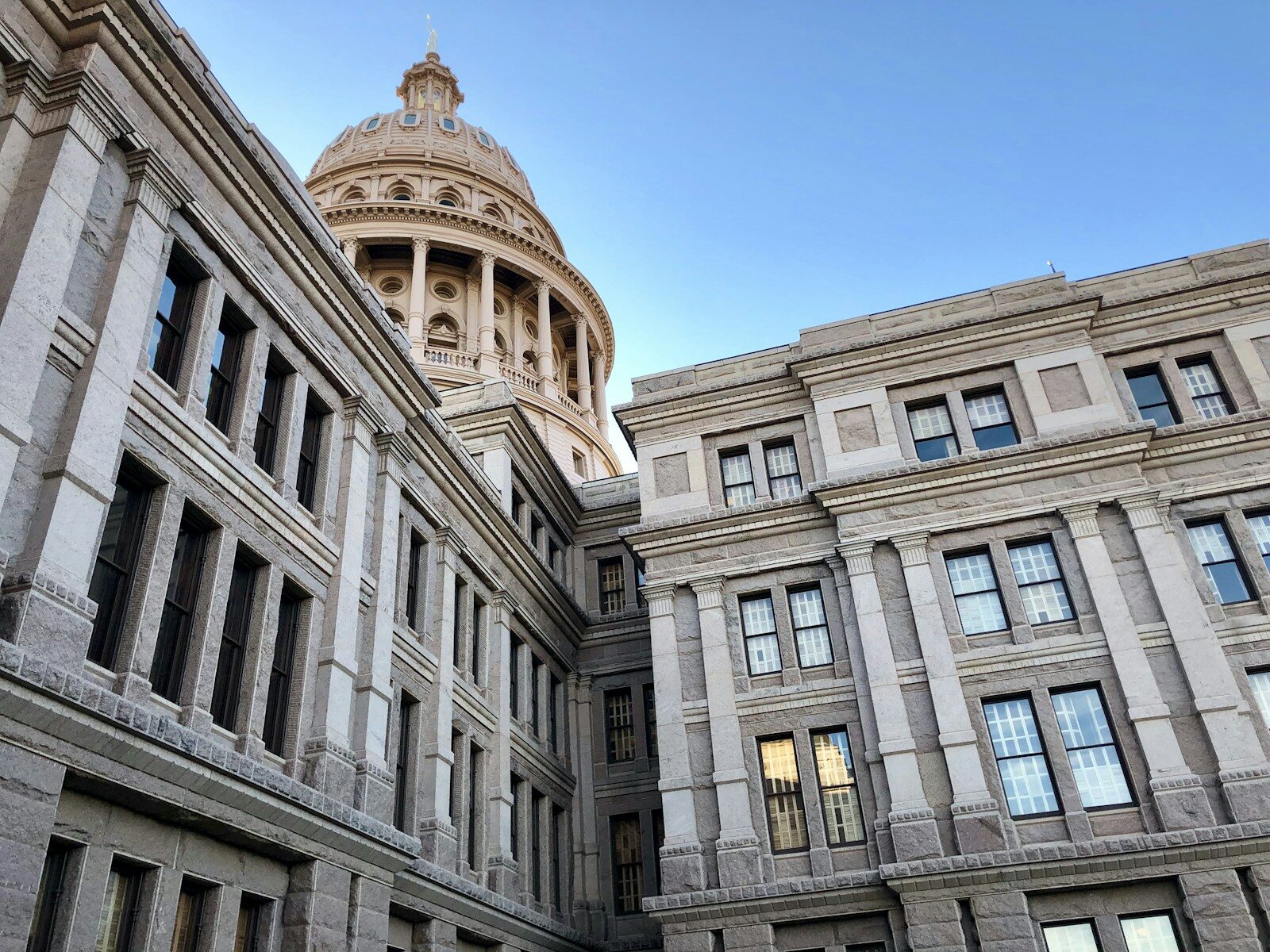
The federal debate over artificial intelligence regulation continues to be conducted largely in hearings and frameworks. The operative law, meanwhile, is being written in statehouses, and companies deploying AI systems are already complying with it.
State enactments cluster around several recognizable concerns: disclosure when consumers interact with automated systems, restrictions on algorithmic decision-making in hiring and lending, rules for synthetic media in elections and likeness rights, and safety or transparency obligations for developers of large models.
The California effect, again
The compliance reality is familiar from privacy and emissions law. Rather than maintain fifty product variants, most companies build to the strictest applicable standard and ship it nationally, which means the most demanding state legislature effectively sets national practice. Business groups argue this is precisely why federal preemption is necessary; consumer advocates note that the alternative on offer has been, for several years, nothing.
The practical burden lands hardest on mid-sized companies without dedicated regulatory staff, which is one reason formal procurement standards for AI systems have spread so quickly through corporate purchasing: a vendor questionnaire is cheaper than a legal opinion in every state you operate.
Whether Washington eventually preempts remains an open question, and the answer will likely be shaped less by principle than by which industries tire of the compliance overhead first. In the meantime, the rulebook exists. It simply has fifty covers.
Topics national newsartificial intelligenceregulation