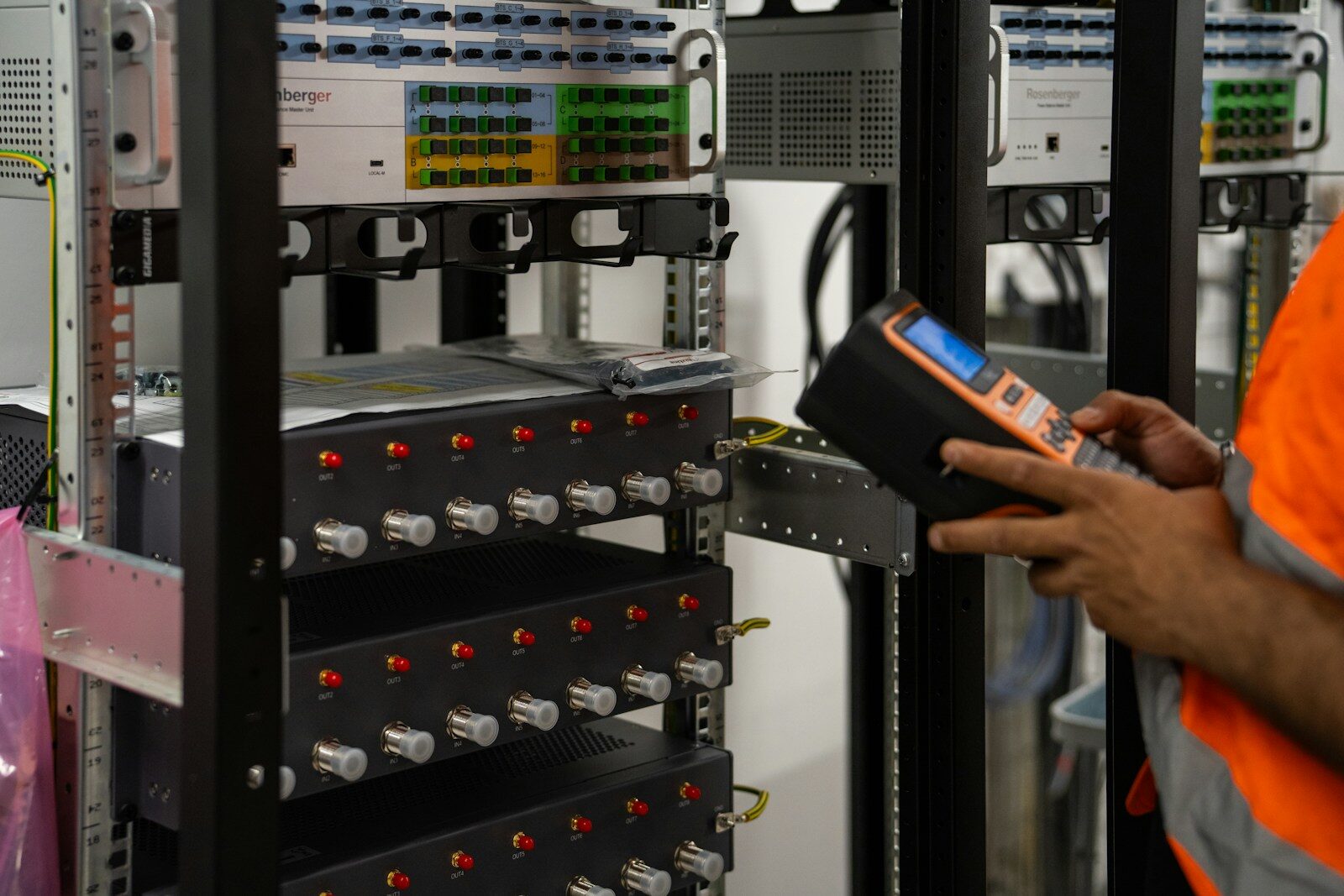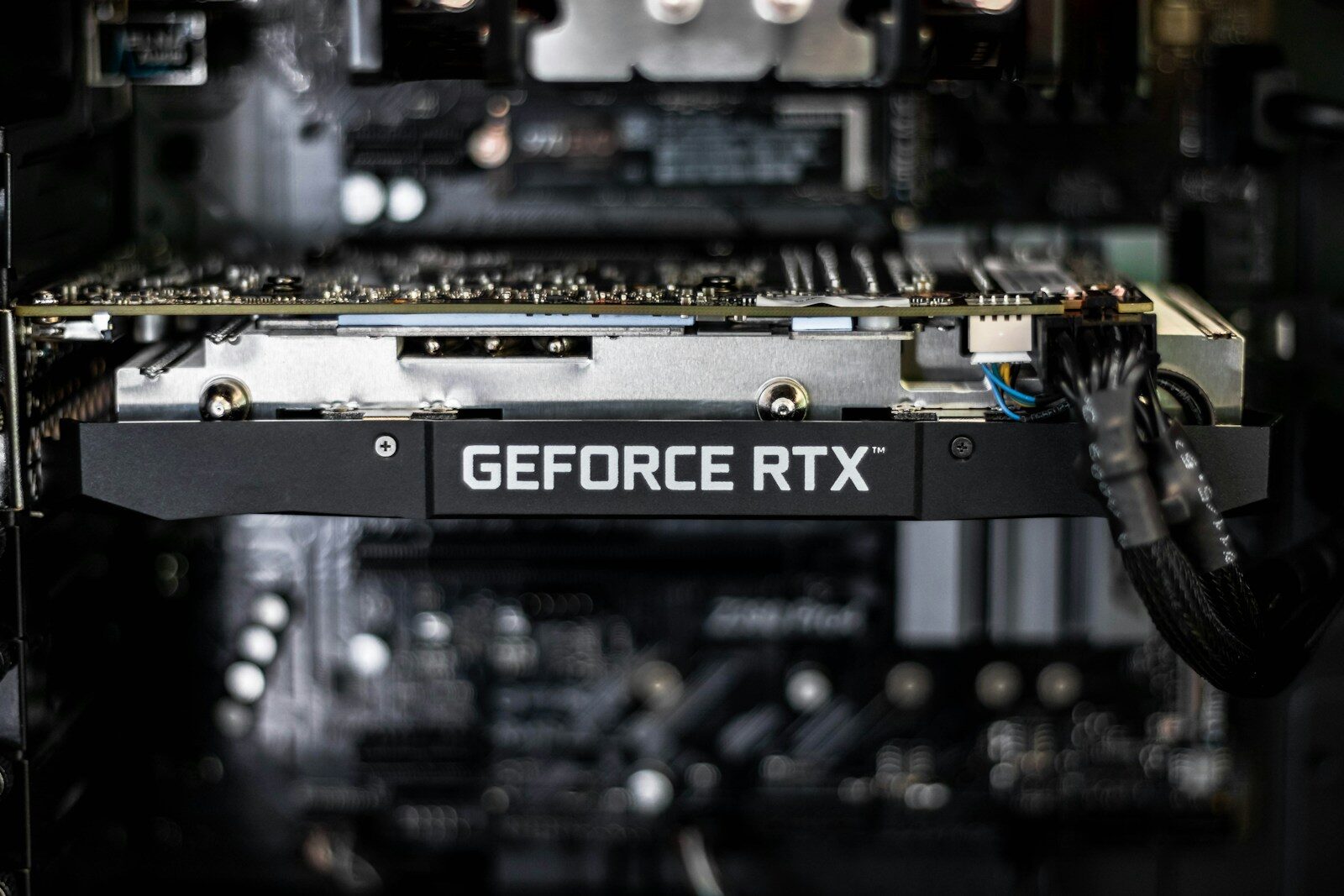
AI Spending Moves From Experimentation to Infrastructure
Corporate AI budgets are shifting out of innovation labs and into core operating lines, a change that is quietly redrawing how companies account for technology itself.
Independent Business, Technology & Culture
Sunday, August 16th, 2026 105 stories Independent & Reader-Supported
Corporate AI budgets are shifting out of innovation labs and into core operating lines, a change that is quietly redrawing how companies account for technology itself.
The most consequential AI deployments of the year are not chatbots. They are agents reconciling invoices, chasing documents and closing tickets nobody wanted to touch.
After years of scraping first and negotiating later, AI developers are building formal licensing pipelines, and content owners are learning what their archives are worth.
Away from enterprise pilots and keynote demos, small firms are putting generative tools to work on the least glamorous parts of operating a business.
Procurement departments, tired of negotiating novel terms for every AI vendor, are converging on shared contract language for data handling, evaluation and exit.
In the absence of comprehensive federal legislation, statehouses have produced a growing body of AI law, and companies are complying with the strictest version everywhere.
The frontier gets the headlines, but the volume is moving to compact models that run cheaply, privately and close to the work.
Voluntary vagueness about where AI touches customers is becoming a liability. A simple disclosure norm would serve companies better than the silence they are defending.