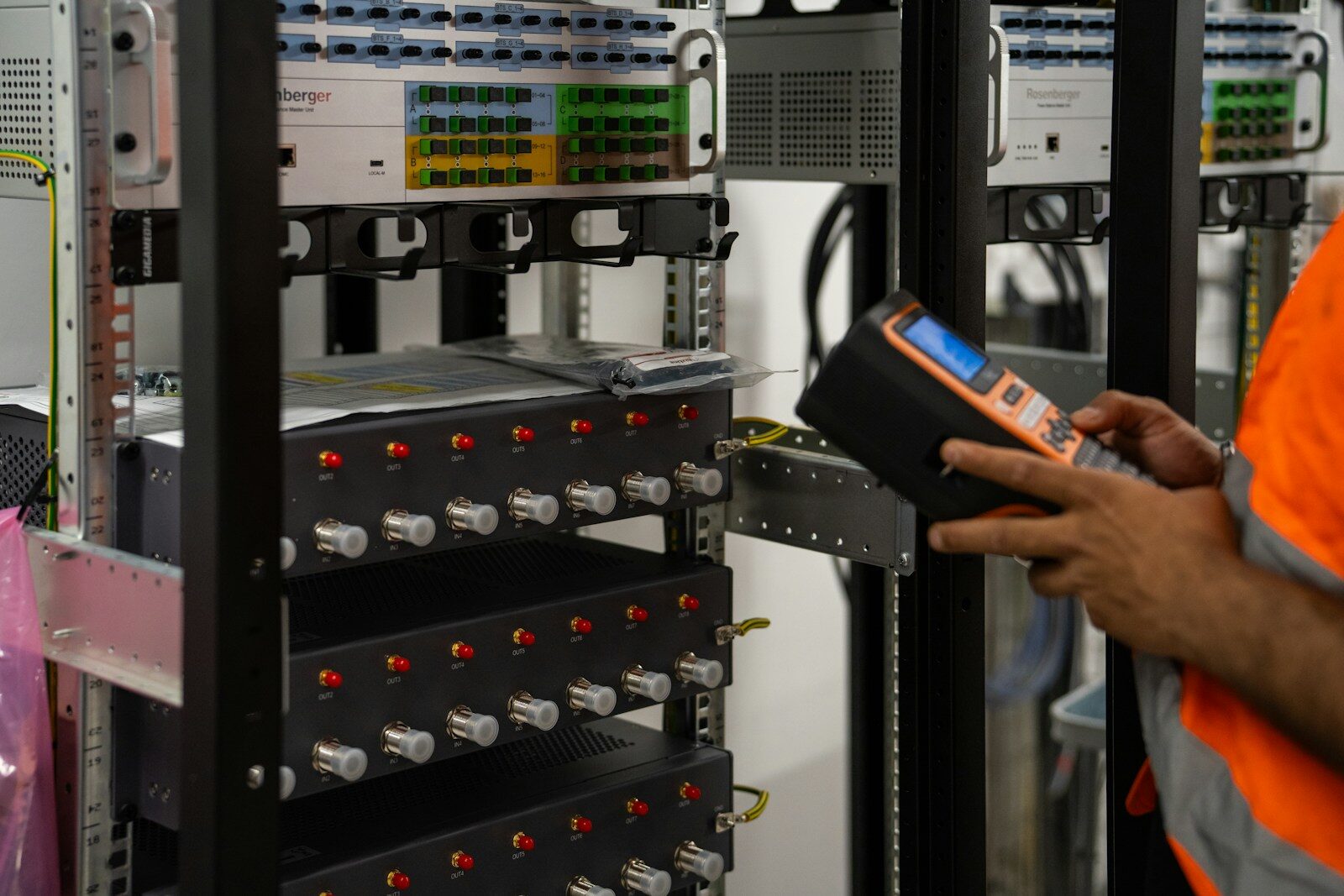
Ask executives where AI is actually earning its budget and the answers are strikingly unglamorous: invoice matching, claims intake, vendor onboarding, ticket triage, collections correspondence. The agent era has begun in the rooms without windows.
The pattern across deployments is consistent. Companies started with customer-facing chatbots, discovered the reputational risk of a system that improvises in public, and redirected the technology at internal processes where every action is checkable against a document, a ledger or a rule.
Why the back office was ready
Back-office work has three properties that suit autonomous software: it is repetitive, it is verifiable, and it is unloved. An agent that extracts terms from a contract can be audited line by line. One that drafts a collections email escalates to a human before anything sends. The cost of an error is a correction, not a headline.
The economics compound with volume. Finance departments report processing growth without headcount growth, and the displaced hours have largely shifted to exception handling and vendor negotiation, the parts of the job that were always the actual job. As small businesses adopt the same tools, the pattern is repeating below the enterprise tier.
The strategic consequence is a quiet redefinition of what companies buy. Procurement teams increasingly evaluate software by tasks completed rather than seats licensed, a shift with real implications for how AI systems are vetted before they touch a company's books.
What none of this resolves is the plumbing underneath. Software that acts on a company's behalf has to authenticate somewhere, and the identity systems it logs into were built around a person who can be fired — a gap that has stalled more deployments than any question about model quality.
The chatbot got the press conferences. The agent got the budget line.
Earlier Cranberry Journal coverage examined Small Models, Big Deployments.
The work these agents absorb is also the work that used to train everyone.
The customer-facing version is harder to read, because the AI answered and the customer called anyway.
Topics artificial intelligenceautomationenterprise softwareoperations