The obituary was written years ago: the pandemic's day-trading cohort would blow up, burn out and abandon markets the way previous manias' recruits always had. The data has spent several years politely declining the script.
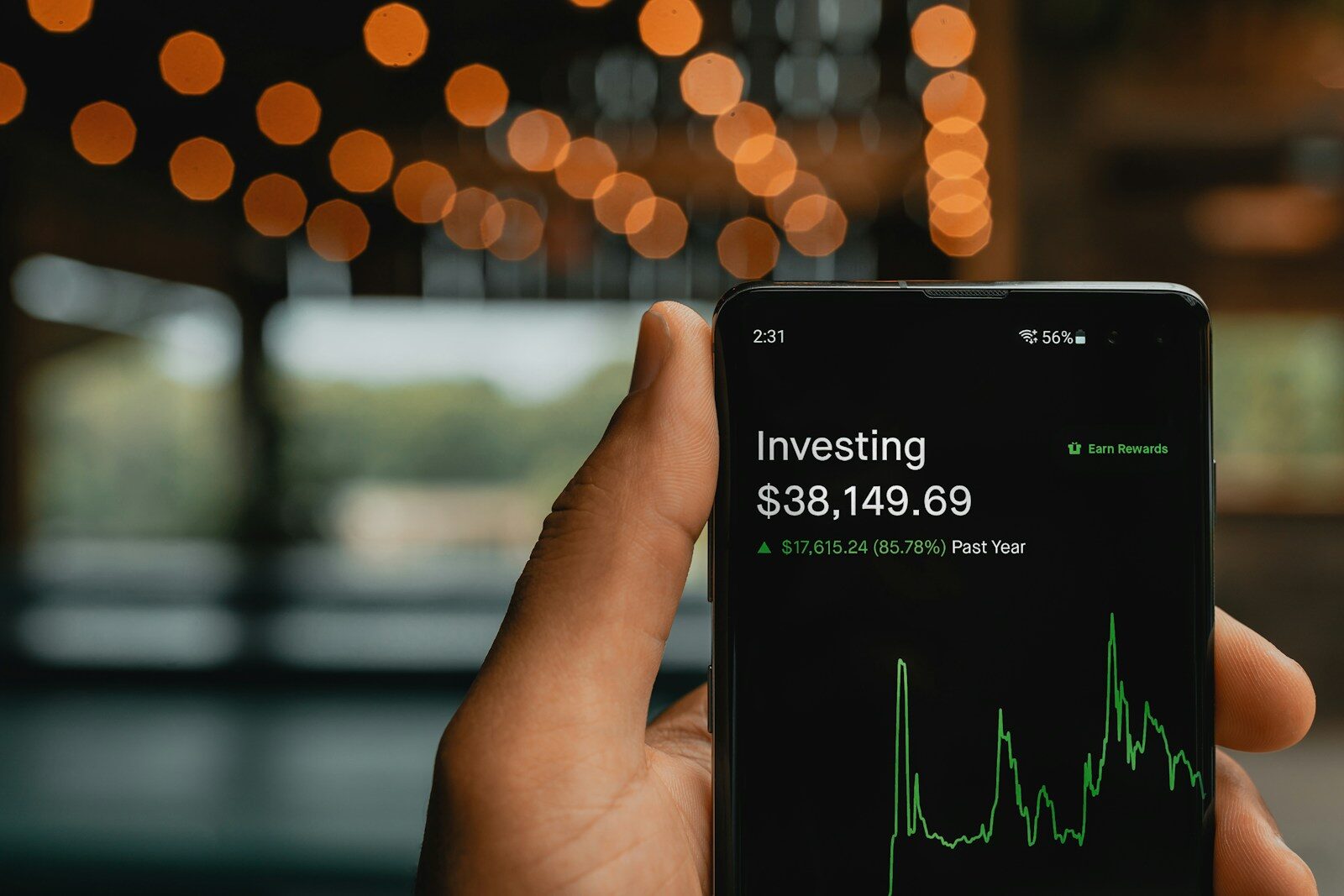
Brokerage records tell a different story. The accounts opened in the frenzy years mostly stayed open, and their behavior has migrated from options lotteries toward index funds, dividend portfolios and automated contributions. Options volume among small traders has cooled from its peaks; payroll-linked investing has not. The cohort, in aggregate, did the unexpected thing. It learned.
The infrastructure of staying
Part of the explanation is that the tuition, while expensive, was paid young, when losses are recoverable and lessons compound longest. Part is infrastructure: fractional shares, zero commissions and automatic investing removed every historical excuse for not starting, and the same rate awareness that reorganized savings taught the cohort that idle cash is a choice.
The market consequences are structural. Retail now represents a persistently larger share of equity volume than in the pre-2020 era, brokers compete on education and planning tools rather than trade gamification, and the advisory industry confronts a generation that arrives already invested, asking harder questions.
Manias recruit; markets retain. The distinctive fact of this cycle is how many recruits stayed, and the maturing IPO market they will eventually fund may be the ultimate beneficiary.
Topics marketsequitieshouseholds