The most consequential financial habit formed this decade may be the least glamorous one: ordinary households learned to move their savings.
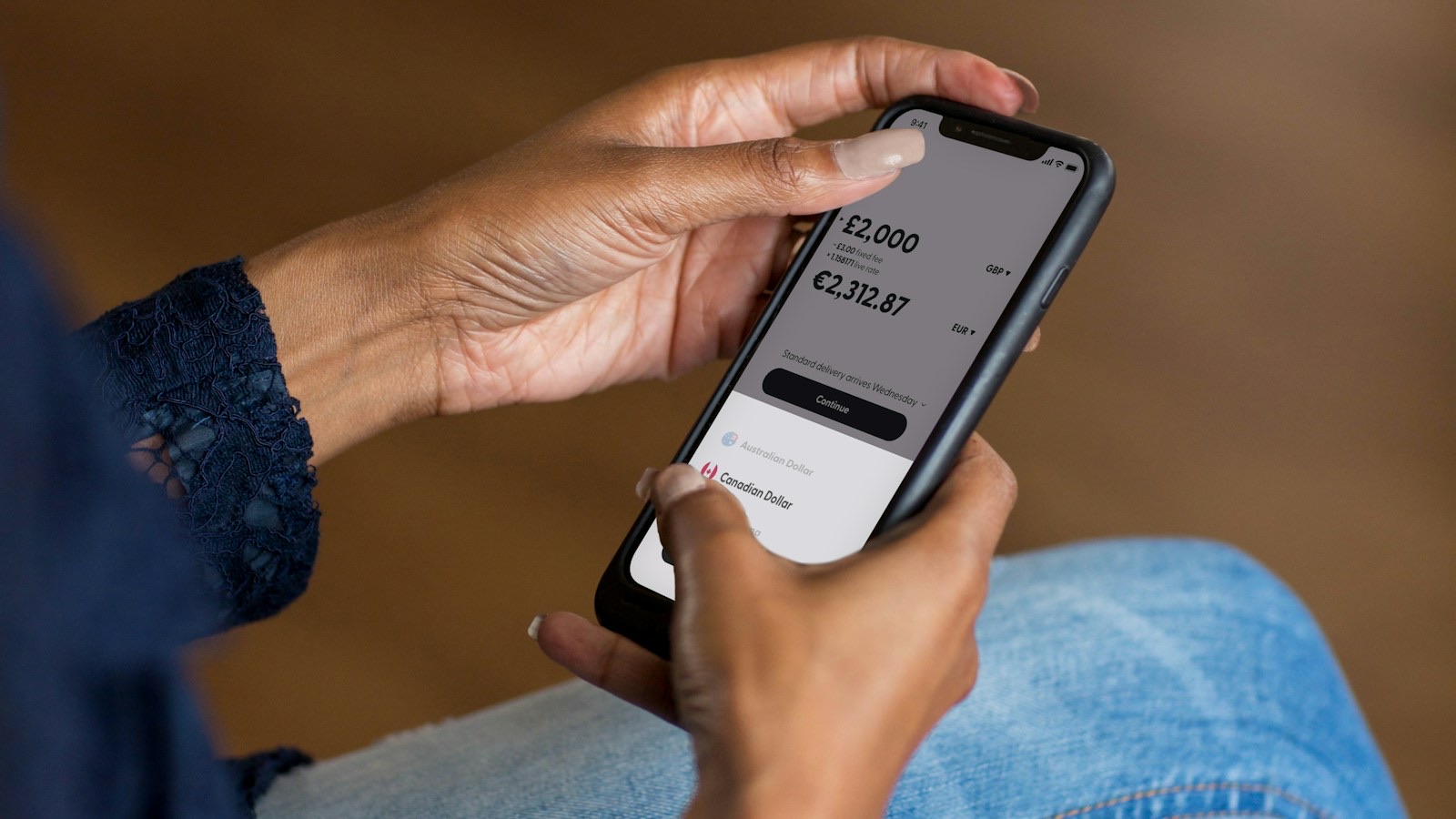
For years, the gap between what the average checking account paid and what money markets offered was academic, because both numbers rounded to zero. When the gap widened to hundreds of basis points, a mass migration began, and the infrastructure of switching, online account opening, same-day transfers, rate-comparison sites, made it nearly frictionless.
A stickiness problem for banks
Deposit betas, the share of rate changes banks pass through to depositors, have run persistently higher than in previous cycles, which is a technical way of saying banks can no longer count on customer inertia. The saver who moved once will move again, and surveys of household finance consistently find that having switched is the strongest predictor of switching.
The behavioral change survives lower rates for a simple reason: the fixed cost was psychological, and it has been paid. Opening the second account was hard; the third took minutes. Households now hold savings the way institutions do, in tiers, emergency cash where access is instant, medium reserves in high-yield accounts, longer money in certificates or Treasury bills bought directly.
The distributional footnote matters. The gains from rate-shopping have flowed disproportionately to households attentive enough to claim them, which is to say the financially engaged got paid for being engaged. Financial educators have seized on this, since moving savings is the rare piece of advice that is simple, safe and immediately quantifiable.
For the banking industry the message is unambiguous. The deposit franchise is no longer a birthright. It is a subscription, renewed monthly, by customers who now read the bill.
Savers with liquidity to spare have been routing some of it somewhere better taxed, treating the health savings account as a long-horizon vehicle rather than a way to pay this year's deductible.
Topics moneysavingsbankinghouseholds