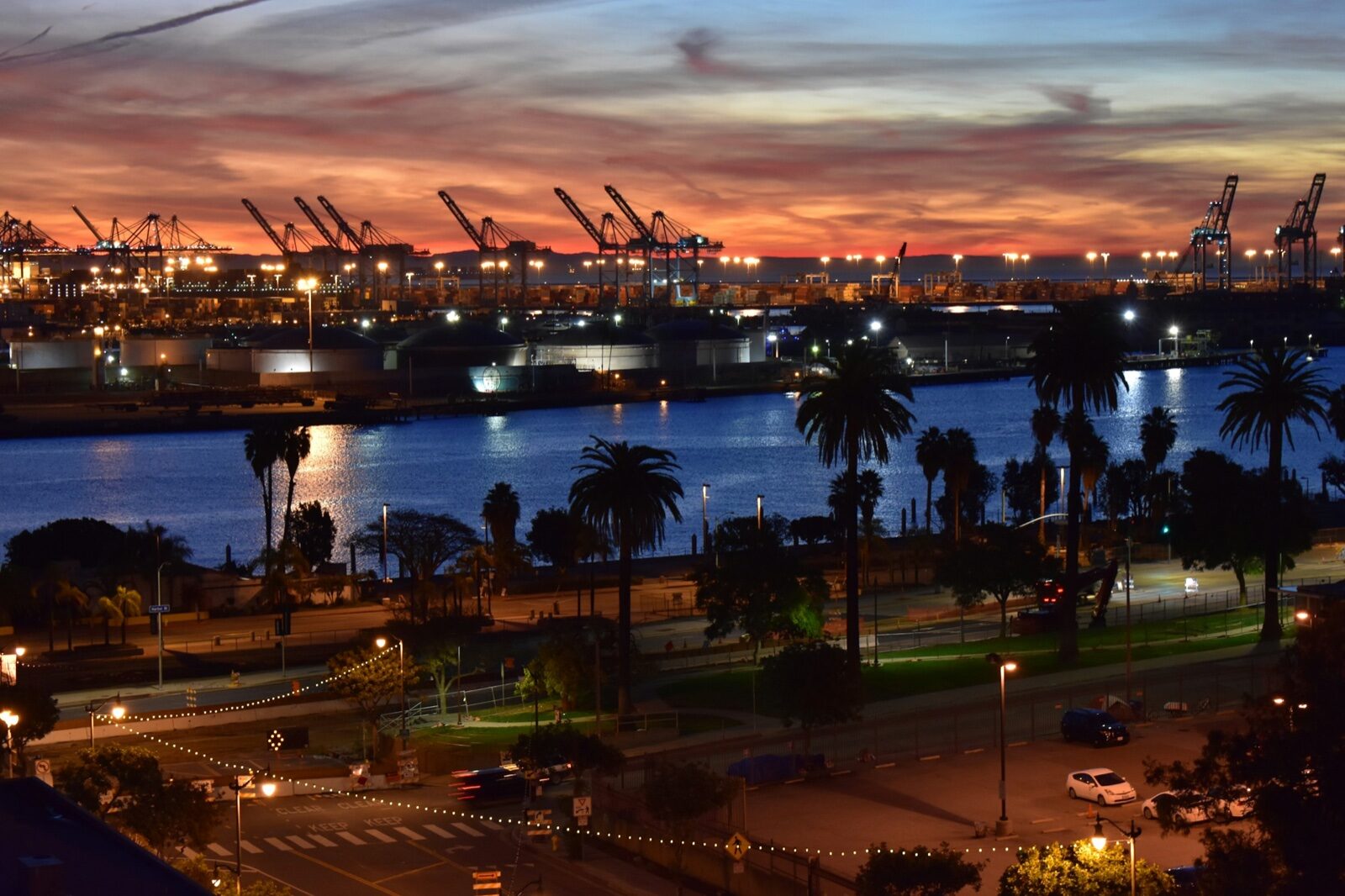
Villa Vie Residences, the Florida company that sold cabins on a ship meant to sail around the world indefinitely, has halted the voyage in Cambodia, blaming fuel that has roughly tripled or quadrupled in price since the Iran war began, CBS News reported.
The ship, the Odyssey, was docked at Sihanoukville when the company suspended operations on Tuesday. More than 200 passengers, mostly Americans, were left looking for somewhere to live, CBS said. Mikael Petterson, the company's executive chairman, told CBS that the plan is to file for Chapter 11 bankruptcy. No filing has been reported.
What happened on the ship?
Residents were told to leave within hours. A notice from the company arrived at about 6 a.m. on Tuesday and required everyone to be off the ship by 2 p.m., passengers told Business Insider. "We knew leaving was a possibility, but the eight-hour notice still surprised us," said Lanette Canen and Johan Bodin, who have lived aboard since the ship first sailed in 2024.
A notice on the company's website said it was arranging temporary accommodation and evaluating restructuring options over the next 60 days, Business Insider reported. Petterson told the outlet he had been talking to a potential investor until last week, and that when a new injection of cash fell through the company was "out of options." Kathy Villalba, the chief executive, did not immediately respond to the outlet's requests for comment.
How much did fuel change?
Enough to break the model. Before the war began in late February, the company paid an average of $700 a ton for fuel, Petterson told CBS. Since then it has paid $2,000 to $3,000. The Odyssey burns 700 to 800 tons a month. He said monthly expenses rose from $400,000 to $2 million, and the fuel cost attributable to each cabin from about $1,800 a month to between $6,000 and $8,000.
| Fuel bill per month | At $700 a ton | At $2,000 a ton | At $3,000 a ton |
|---|---|---|---|
| 700 tons | $490,000 | $1.4 million | $2.1 million |
| 800 tons | $560,000 | $1.6 million | $2.4 million |
Source: prices and tonnage from Mikael Petterson, as told to CBS News. The bills are this publication's arithmetic.
By this publication's arithmetic, fuel alone went from about half a million dollars a month to between $1.4 million and $2.4 million, an increase of roughly $1 million to $1.8 million a month. The figures as reported do not fully reconcile: $400,000 in total monthly expenses before the war is less than the pre-war fuel bill implied by the same tonnage. CBS did not explain the gap, and the company has not published accounts.
The company tried to absorb the shock. It slowed the itinerary and stayed longer in each port, it said, and on 1 August Villalba asked residents for a "fuel contribution," according to Business Insider. "Those measures have not been enough to offset the extraordinary increase in fuel costs," the company said.
What did residents pay?
Villa Vie's website lists permanent residency from $119,999 and five-year residency from $59,999. CBS said some residents paid several hundred thousand dollars, some sold their homes, and residents were guaranteed 15 years aboard.
By our arithmetic, a $119,999 cabin spread over a 15-year guarantee comes to about $8,000 a year, or about $667 a month, before any separate monthly charges. Against fuel costs of $6,000 to $8,000 a month per cabin, as Petterson described them, the upfront price was never going to carry a fuel shock of this size. It was a bet that fuel would stay near pre-war levels for a decade and a half.
Who else is paying for the fuel shock?
Almost everyone who moves people or goods. Moody's Analytics put the war's cost at almost $2,000 a household, with diesel still 74 per cent above last year, and container rates from Asia to America are about four times February's level. Large carriers can pass some of the cost on or hedge it. A single-ship company that promised fixed prices could do neither.
What to watch
Whether Villa Vie files for Chapter 11, and where. A filing would set out the company's debts and show how residents who paid upfront rank among its creditors. The company has not said what they would recover, or whether the ship sails again under new money. "We're at a point where it's just at a breaking point where we need capitalization," Petterson told CBS.
The fuel prices, tonnage, per-cabin and monthly expense figures, the 15-year guarantee, the passenger count and the quotes from Mikael Petterson on capitalization are from CBS News (Cristian Benavides), 28 October 2026. The notice times, the website notice on restructuring, the failed investor talks, Petterson's title and his remarks to Business Insider, Kathy Villalba's 1 August message, the 344 per cent figure and the quotes from residents are as reported by Business Insider, 28 October 2026. Prices are from Villa Vie Residences' website, viewed 29 October 2026. The fuel-bill ranges and the per-year cost of a cabin are this publication's arithmetic. The analysis is our own.