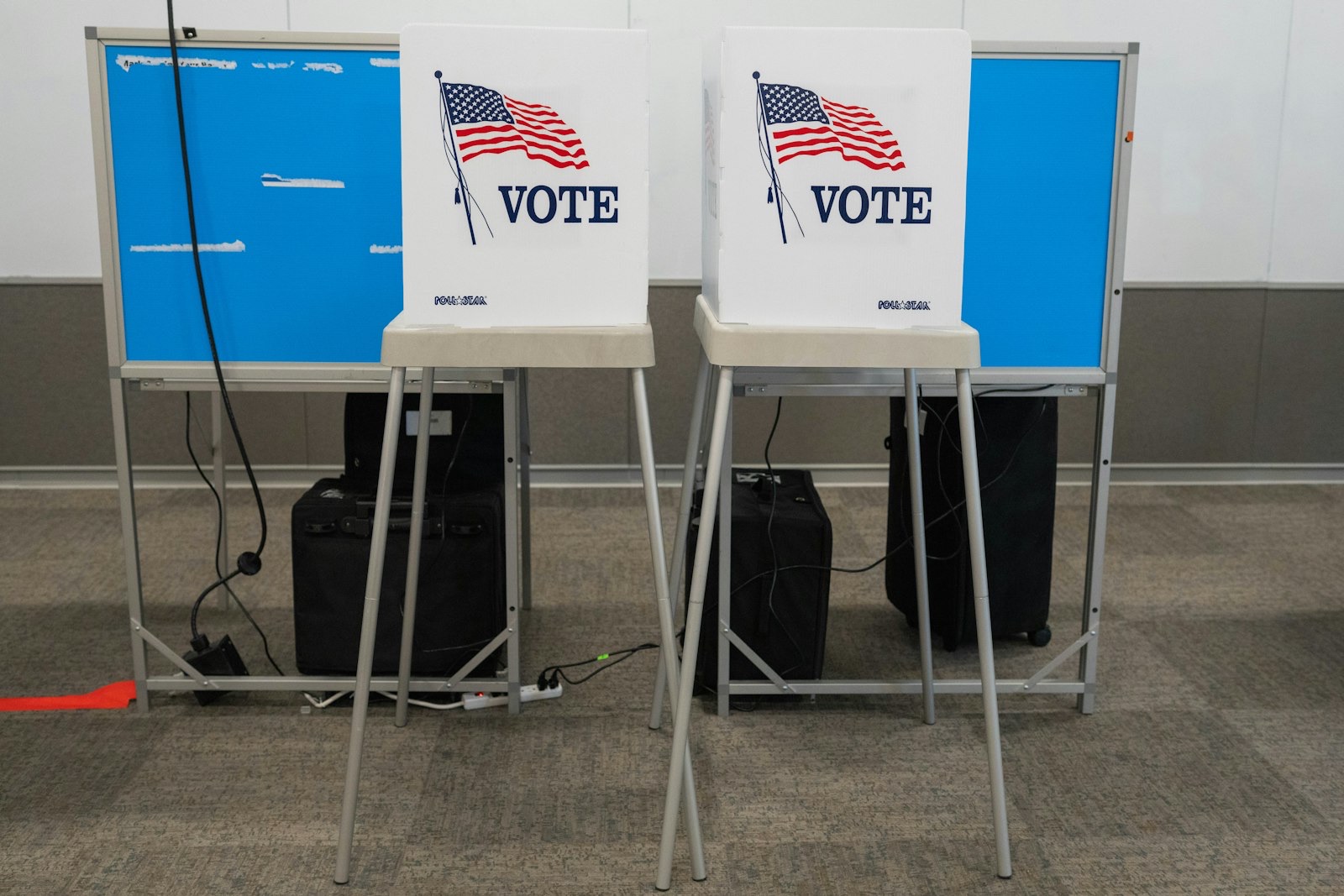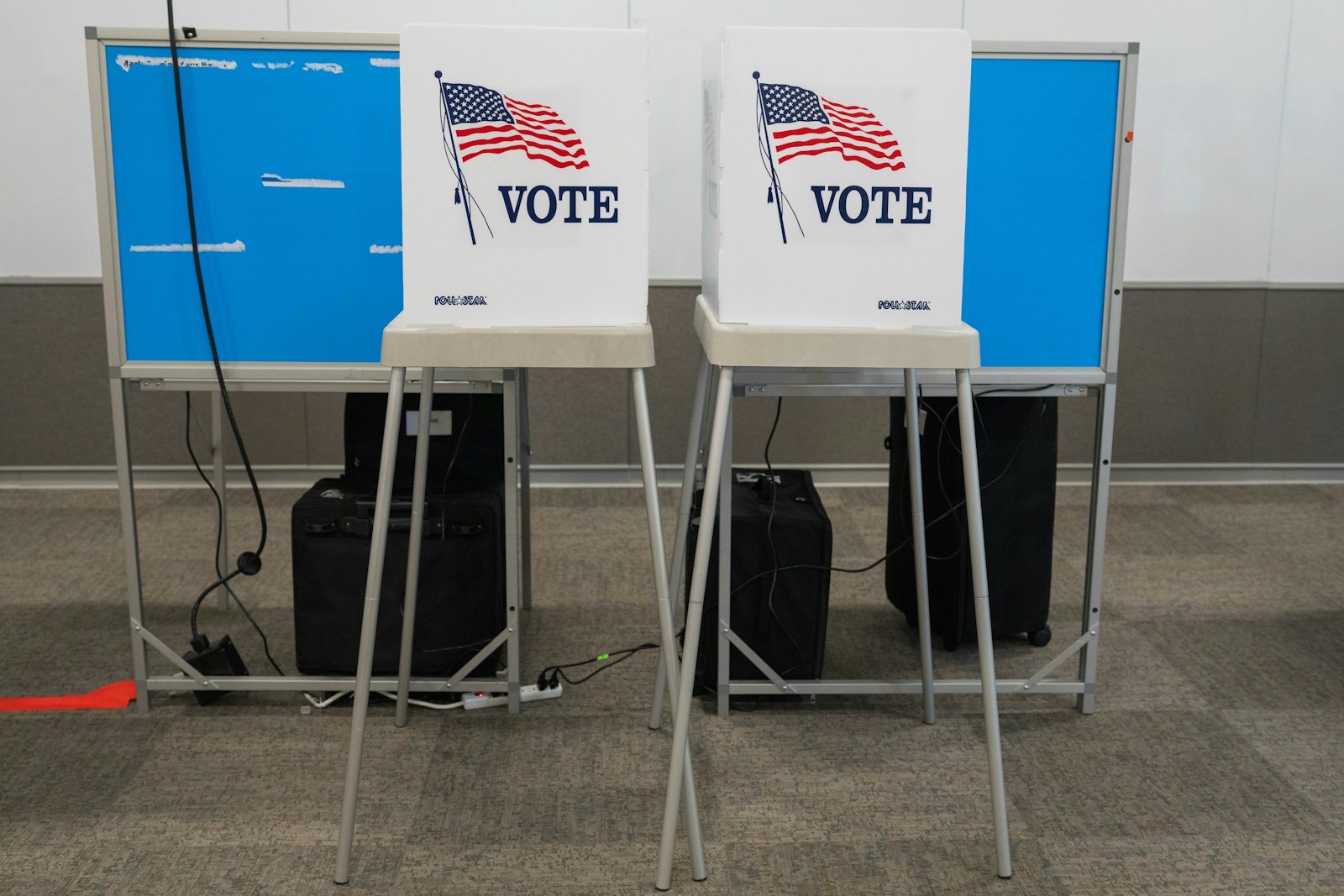
More than 700 women are on the ballot for Congress and governor this year. The Center for American Women and Politics calls it a record, and it is.
The number underneath it is the one worth sitting with. In 36 congressional races, both candidates are women.
Two different things get called progress
A candidate count measures entry. It says how many people put their names forward and got far enough to appear on a ballot, and it is genuinely informative about parties, recruitment pipelines and money.
It says nothing about outcomes. A record year for candidacies is compatible with a flat year for seats, because the two numbers move independently — entry is decided by recruitment, and success is decided by the seats those candidates are recruited into. A party that runs many women in unwinnable districts produces a record and no change.
That is why the 36 is the more interesting figure. In those races the question of whether a woman wins has already been answered before a vote is cast.
What disappears when both candidates share a trait
Something specific and useful, and it is a point about evidence rather than about politics.
For decades the argument about women candidates has run on a comparison: how does a woman perform against a man, holding the district constant. Every finding in that literature — about fundraising, about coverage volume, about the words used in coverage, about turnout effects — depends on there being a man in the race to compare against.
Remove him and the comparison is unavailable. In those 36 contests, coverage differences cannot be attributed to gender, because both sides have the same one. Fundraising gaps have to be explained by incumbency, district, party or candidate quality. The explanation that has done the heaviest lifting in this field is simply not applicable.
For the voter this is unremarkable; they are choosing between two people. For anyone trying to understand what actually drives these races, 36 natural experiments in which the dominant variable is held constant is a larger event than the record.
The record is doing something else
Records like this are usually read as a trend line about attitudes. They are more reliably a fact about party recruitment, which is a decision made by a small number of people years in advance.
This paper has made the same point about other counted things — that a rule which forces turnover cannot also produce a replacement, and that a pipeline is built by somebody deciding to build it rather than by conditions improving. Seven hundred candidacies is evidence that two parties decided to recruit, in specific districts, some time ago. It is not yet evidence about what voters will do in November, and it will not become that evidence until the seats are counted.
The number that would actually settle it
Not candidacies, and not even seats won.
The share of women candidates running in competitive seats, as against safe seats of either party. That single ratio separates a recruitment record from a representation change, because a party can produce the first without any intention of producing the second — and because the district a candidate is placed in is decided by people who know exactly how winnable it is.
Nobody publishes it prominently. It is calculable from public data, it would take an afternoon, and it is the only figure in this conversation that both explains the record and predicts what follows it.
What to watch
Not November's total, which will be reported as a record either way, because entry records and outcome records are different statistics that share a headline.
Watch the 36. Those races will produce a set of results in which the most-studied variable in American electoral research is absent, and the campaigns will still have differed — in money, in coverage, in tone. Whatever explains those differences is what was doing the work all along in the races nobody could isolate.
The figure of more than 700 women on the ballot for Congress and governor nationwide in 2026, described as a record, and the count of 36 congressional races in which both candidates are women, are as reported by the Center for American Women and Politics at Rutgers University and covered in national reporting on 8 September 2026. The distinction between candidate counts and outcomes, and the observations about what a same-characteristic race can and cannot demonstrate, are our own analysis and are not attributed to the Center.
Topics nationalelectionspoliticscongress