Brazil's main stock index, the Ibovespa, fell as much as 17 per cent on Monday after President Luiz Inácio Lula da Silva won Sunday's runoff, and the exchange halted trading for 30 minutes. It closed down 13.88 per cent. The dollar closed up 8.25 per cent against the real.
Lula, of the Workers' Party (PT), took 64,256,232 votes, or 51.79 per cent of valid votes, against 59,826,041 for Flávio Bolsonaro of the Liberal Party (PL), according to the electoral court's complete count as published by The Rio Times. The margin was about 4.4 million votes. Flávio Bolsonaro, who led the first round on 4 October, has said he does not recognise the result and will ask the courts to annul it, the same outlet reported. The size of the market move is not in dispute. What it was pricing is.
How far did Brazilian markets fall?
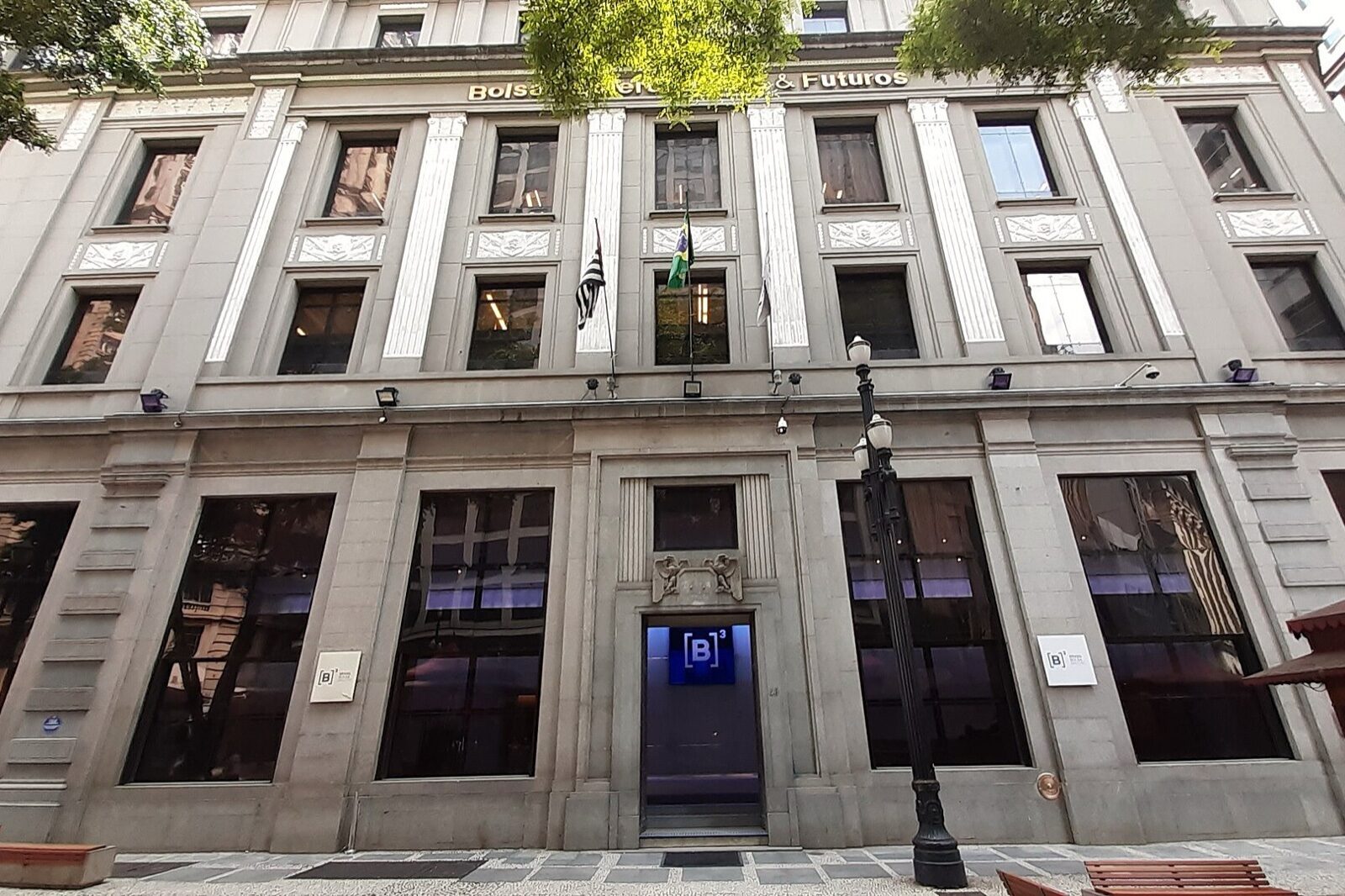
Brazilian markets fell far enough to halt the exchange for the first time since the pandemic. B3, the São Paulo exchange operator, triggered a circuit breaker at 9:57 a.m. local time and suspended cash-equity trading for 30 minutes, the first such halt since March 2020, according to InfoMoney's live coverage. The index touched an intraday low of 169,516.43 points against Friday's close of 205,082.56, a fall of 17.3 per cent by this publication's arithmetic.
Around midday the Ibovespa was down 14.1 per cent at 176,155.89 and the dollar up 8.81 per cent at R$5.4291, Reuters reported. The index closed at 176,608.23, down 13.88 per cent, on volume of R$76.9 billion, InfoMoney reported. The dollar, which had touched R$5.605 in the morning, closed up 8.25 per cent at R$5.403. B3 widened the daily limit on dollar futures from 6 per cent to 8.4 per cent and then to 12 per cent, FinanceFeeds reported, citing InfoMoney.
The losses were concentrated in domestic businesses and banks. By early afternoon InfoMoney listed Banco do Brasil down 28.03 per cent, Bradesco down 22.14 per cent and Itaú down 13.33 per cent; B3's own shares had been down 47.48 per cent in the late morning. Exporters paid in dollars went the other way: pulp maker Suzano was up 10.17 per cent and Vale up 3.93 per cent.
What does it look like in dollars?
Worse. A foreign investor holding the index loses on both the shares and the currency. Using Friday's dollar close of R$4.993, the Ibovespa was worth about 41,074 in dollar terms at the end of last week. At Monday's close of 176,608.23 and a closing dollar rate of R$5.403, it was worth about 32,687.
| Measure | Friday 23 October | Monday 26 October, close | Change |
|---|---|---|---|
| Ibovespa (points) | 205,082.56 | 176,608.23 | -13.9% |
| Dollar (reais) | 4.993 | 5.403 | +8.2% |
| Ibovespa in dollar terms | 41,074 | 32,687 | -20.4% |
| January 2031 rate future (midday) | about 12.6% | 15.53% | +289 bp |
Sources: InfoMoney live coverage, Reuters via Terra, FinanceFeeds. Dollar-terms figures, percentage changes and the Friday rate level (Reuters' 15.53 per cent less its 289 basis-point rise) are this publication's arithmetic. Index and dollar figures are closing levels; the rate future is a midday reading. InfoMoney reported the dollar's rise as 8.25 per cent.
By that arithmetic the index lost about a fifth of its dollar value in one session, even after recovering from its low. In New York, the iShares MSCI Brazil exchange-traded fund was down 27.46 per cent before the open, FinanceFeeds reported, a measure taken before São Paulo trading had begun.
Why were investors so exposed?
Because they had bet the other way. "Markets were broadly positioned for a Bolsonaro victory," Eirini Tsekeridou, an analyst at Julius Baer, said, according to MercoPress. The same report said a Citi survey of 73 fund managers found 80 per cent expected a fall of more than 5 per cent if Lula won, and that the Ibovespa had risen 7.7 per cent on 5 October, the day after Flávio Bolsonaro's first-round lead. Prediction markets Polymarket and Kalshi gave him about 80 per cent five days before the vote, according to FinanceFeeds. Public polls had been much closer.
The concern is the budget. Brazil's public debt exceeds 80 per cent of GDP, MercoPress reported. "Investors need a revised fiscal framework that generates primary surpluses sufficient to stabilise debt," Viktor Szabó of Aberdeen Investments said in the same report. The Rio Times reported that the cost of insuring Brazilian five-year government debt against default rose 26 per cent during the session, to its highest since June 2025; we have not seen that figure elsewhere, or a closing level.
That is our reading of the move: a repricing of a fiscal outcome investors had assumed, more than a verdict on anything Lula has announced since Sunday.
What have officials done?
The response so far has come from the Treasury, not the central bank. The Treasury cancelled its inflation-linked bond auction on Tuesday and its fixed-rate auction on Thursday, keeping only the Selic-linked sale, and bought back about R$7.1 billion of fixed-rate NTN-F bonds, InfoMoney and Reuters reported. It scheduled a second buyback of inflation-linked bonds for Monday afternoon. InfoMoney's coverage reported no intervention by the Banco Central do Brasil beyond publishing its reference rate.
Finance Minister Dario Durigan told Broadcast that the government would act to reach the centre of its fiscal target. "Nós vamos mudar a lei ou, se necessário, a Constituição para buscar formalmente o centro da meta," he said, as quoted by InfoMoney: "We will change the law or, if necessary, the Constitution to formally pursue the centre of the target."
Interest-rate futures now point to tighter money. Before the runoff, the curve priced a near-certain quarter-point cut in the 13.75 per cent Selic rate; by late morning it priced about a 75 per cent chance of a quarter-point rise at the next meeting, which Reuters said is due next week. Lais Costa of Empiricus Research told Reuters the repricing reflected the weaker real, which adds to inflation.
What happens next?
Three tests arrive within days. The first is whether the central bank's next decision delivers the hike the futures now imply. The second is whether Durigan's promise becomes a bill Congress will pass. The third is outside Brazil: the U.S. Federal Reserve decides on 28 October, and Kevin Warsh has declined to say whether it will raise rates again. Fiscal politics is moving government bond prices elsewhere too: France pays about 137 basis points over Germany as its own budget goes to a vote. The number to watch is the January 2031 rate future: if it stays above 15 per cent, Monday was not a one-day panic.
Vote totals, shares and turnout are from the electoral court (TSE) count as published by The Rio Times on 25-26 October 2026. Closing and intraday index and currency levels, intraday interest-rate future and stock prices, the 9:57 a.m. circuit breaker, the Treasury's auction cancellations and buyback, and Dario Durigan's remark (from an interview with Broadcast) are from InfoMoney's live coverage of 26 October. The midday index and dollar levels, the January 2031 rate move, the Selic pricing and Lais Costa's comment are from Reuters, as republished by Terra on 26 October. The Julius Baer and Aberdeen comments, the Citi survey and the 5 October rally are from MercoPress, 26 October. The B3 limit changes, the Friday dollar close of R$4.993 and the prediction-market odds are from FinanceFeeds, citing InfoMoney and Money Times. The credit-default-swap move is from The Rio Times and is single-sourced. The dollar-terms index figures and percentage changes from Friday are this publication's arithmetic. Index and dollar closing levels were added after the session ended; other market figures, including the credit-default-swap move, are intraday. The analysis is our own.
Topics marketsemerging markets