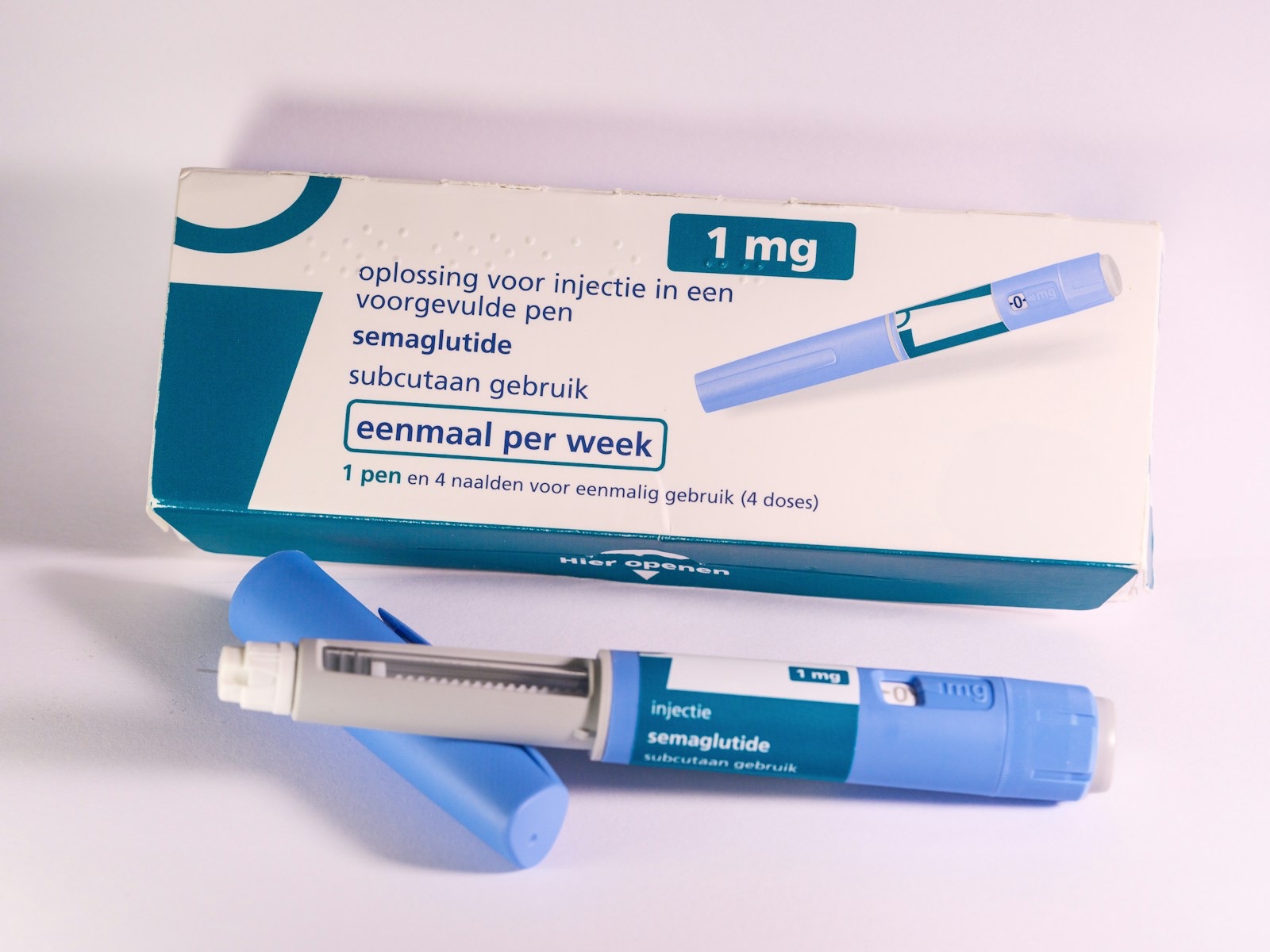
Medicare launched its GLP-1 Bridge program on July 1, covering Wegovy, Zepbound KwikPens, and Foundayo for certain enrollees at a $50 monthly copay. The program is temporary and eligibility is narrow — it requires a BMI of 35 or higher, or a BMI of 30 with specific comorbidities — but it marks the first time Medicare has covered weight-loss drugs at scale.
Commercial insurers moved in the opposite direction. The share of Americans with no commercial insurance coverage for Zepbound increased from 51 to 60 percent in 2026, leaving more than 114 million people without access to the drug through their health plan, an additional 17 million over the prior year. Coverage for Wegovy also tightened, with 27 million still lacking any commercial coverage. For the 88 percent of people who do have some coverage for weight-loss GLP-1s, prior authorization is nearly universal.
The cost that drives the decision
A monthly supply of Wegovy or Ozempic runs approximately $1,000 at list price. Private equity-owned hospitals have demonstrated that the healthcare system's pricing decisions follow the logic of what payers will bear rather than what costs require — the GLP-1 coverage debate follows the same logic at the insurance layer. Manufacturer rebates reduce the net cost to payers substantially — Novo Nordisk has reported that rebates and fees account for roughly 40 percent of gross drug costs — but the net figure is still high enough to make coverage a meaningful budget line.
Medicaid coverage remains limited. Thirteen state programs cover GLP-1s for obesity treatment under fee-for-service as of January 2026, down from sixteen in October 2025 after California, New Hampshire, Pennsylvania, and South Carolina eliminated coverage. The reduction reflects state budget pressures more than any reassessment of clinical evidence; GLP-1s accounted for over 8 percent of all Medicaid prescription drug spending before rebates in 2024, despite representing just 1 percent of prescriptions.
Prior authorization has tightened even where coverage nominally exists. The clinical AI screening model that hospitals are adopting to flag undiagnosed conditions operates on similar logic: identifying patients who need intervention before the cost of not intervening becomes the larger number. Medicare data shows that prior authorization for diabetes-approved GLP-1s was required for fewer than 5 percent of beneficiaries until 2024, then jumped to nearly 100 percent by 2025, an effort by insurers to deter off-label use for weight loss. Most Medicaid prior authorization policies are more restrictive than FDA criteria for the drugs.
What changes and what does not
CVS Caremark announced that Zepbound will return to standard formularies in October 2026, potentially opening access for 25 to 30 million people, though employers ultimately decide which drugs their plans cover. The White House reached separate agreements with Novo Nordisk and Eli Lilly to cap GLP-1 prices at $350 a month for Medicare and Medicaid beneficiaries.
The lower price may not translate into expanded access if insurers respond by increasing prior authorization requirements. Research from Penn LDI found that payers may tighten administrative controls when drug prices fall, preserving the savings rather than passing them through in expanded coverage. The bottleneck in GLP-1 access is not primarily price. It is the administrative layer that controls who can get the drug regardless of what it costs.
Over half of US adults may clinically benefit from GLP-1 drugs. The dental coverage gap has followed the same pattern for decades: a treatment with clear clinical benefit sits outside standard coverage because the payer calculates the short-term cost of coverage against the long-term cost of the untreated condition, and the accounting period is too short to capture the savings. The number with coverage to access them is a fraction of that, and it has not grown meaningfully in 2026 despite the Medicare program and the price negotiations.
Topics healthhealthcareGLP-1obesityinsurance