
Asher Lara Wants to Fill Restaurant Seats. The Test Is Whether His Instincts Scale.
Diners pick restaurants by how they look online. Creator Asher Lara's Iconify Media wants to fill those seats. The test is whether his instincts work at scale.

Thursday, November 26, 2026
Diners pick restaurants by how they look online. Creator Asher Lara's Iconify Media wants to fill those seats. The test is whether his instincts work at scale.

The Justice Department has issued Nvidia a formal demand for information over its licensing arrangement with Groq, in which Groq's chief executive and chief operating officer moved across. The question is whether a licence plus a mass talent transfer is an acquisition that should have been reported. It is the first formal test of a structure the whole industry has been using.

A Boeing 767 in Prime Air livery overran a runway at Miami on Sunday and killed five people, none of them aboard. The aircraft was operated by 21 Air of Greensboro, North Carolina. Amazon does not hold an FAA operating certificate, and every flight in its air network is flown on somebody else's.

Porsche's operating margin went from 14.5 percent to 0.3 in a year. Volkswagen Group deliveries in China fell 37 percent in a quarter, in a market down 20 percent overall. Some investors have concluded the group is not fixable, and the interesting question is what fixing it would require.
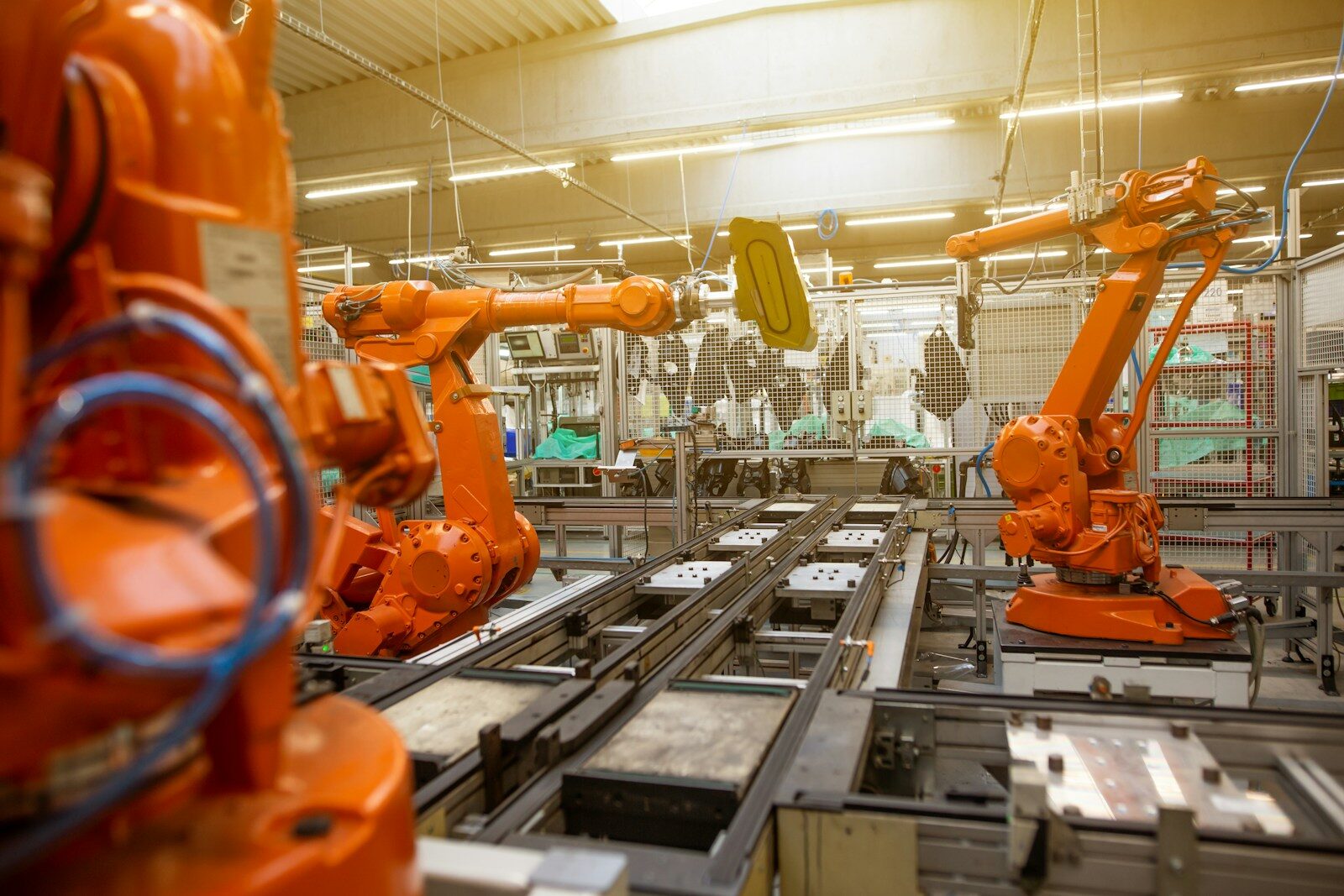
Jaguar Land Rover is expected to confirm 4,000 job cuts on Monday. Pre-tax profit in the last financial year came in at £14m against £2.5bn the year before, on revenue down close to 21 percent to £22.9bn. A fifth off the top line took ninety-nine percent of the profit.
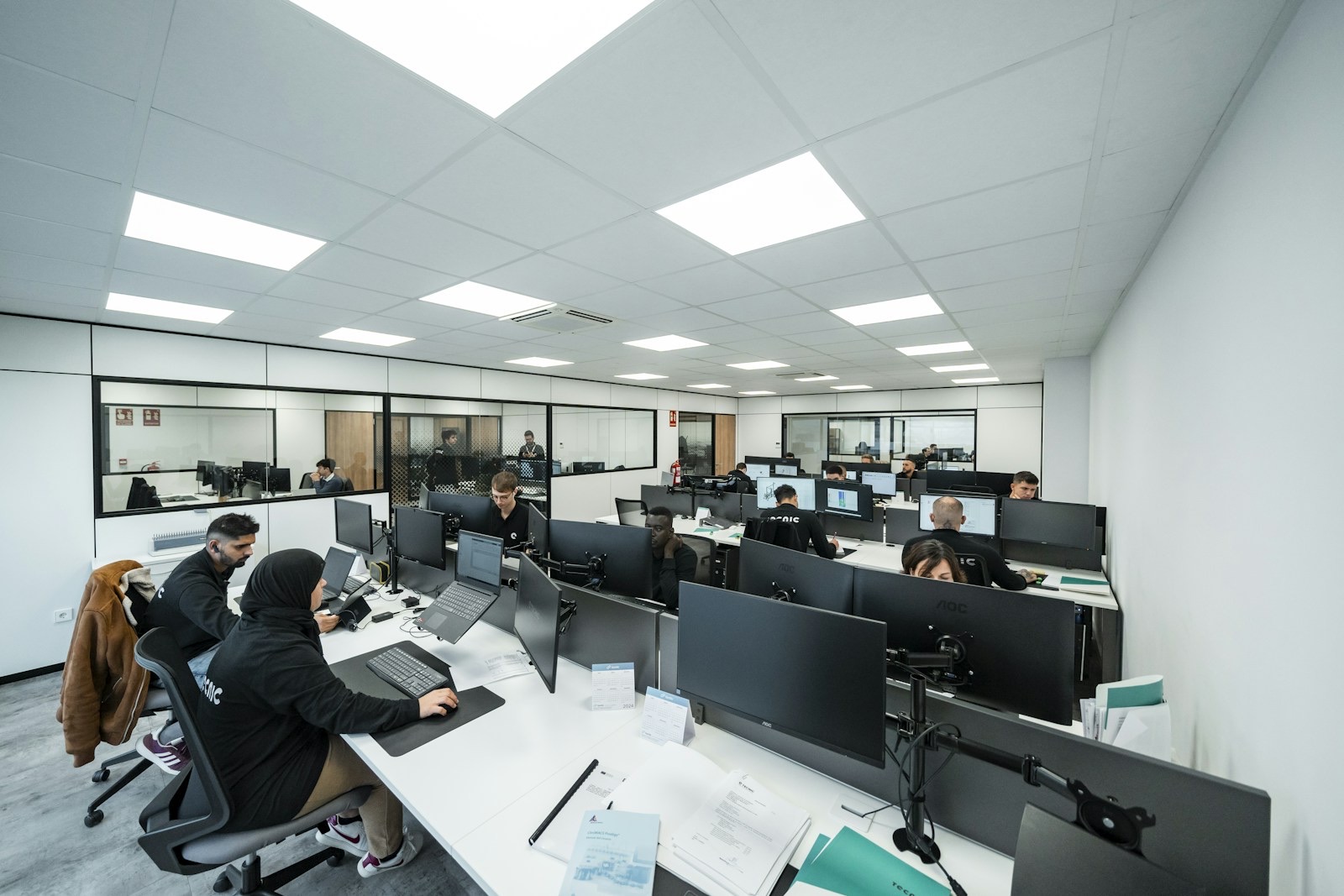
USCIS says its Vermont office revoked and denied H-1B petitions at an IT consulting firm where the wage classifications did not match the work. The agency named no company and alleged no fraud. What makes it more than a compliance notice is what the wage level now does.
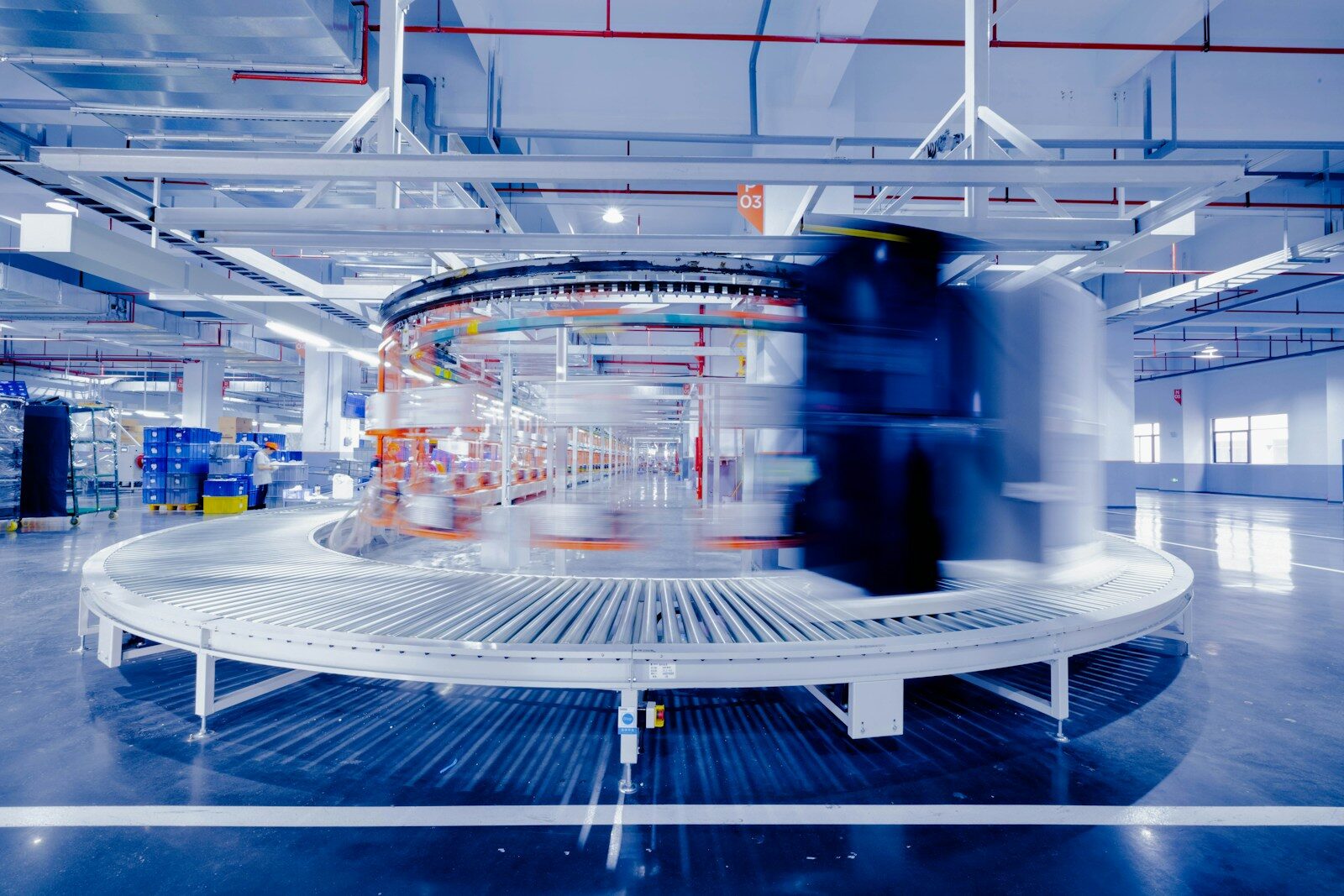
GE Appliances is putting a billion dollars into Appliance Park in Louisville, moving dryer production from Mexico and, in an earlier tranche, washer production from China. The company says the investment secures 4,700 manufacturing jobs. The announcement was made jointly with the union.
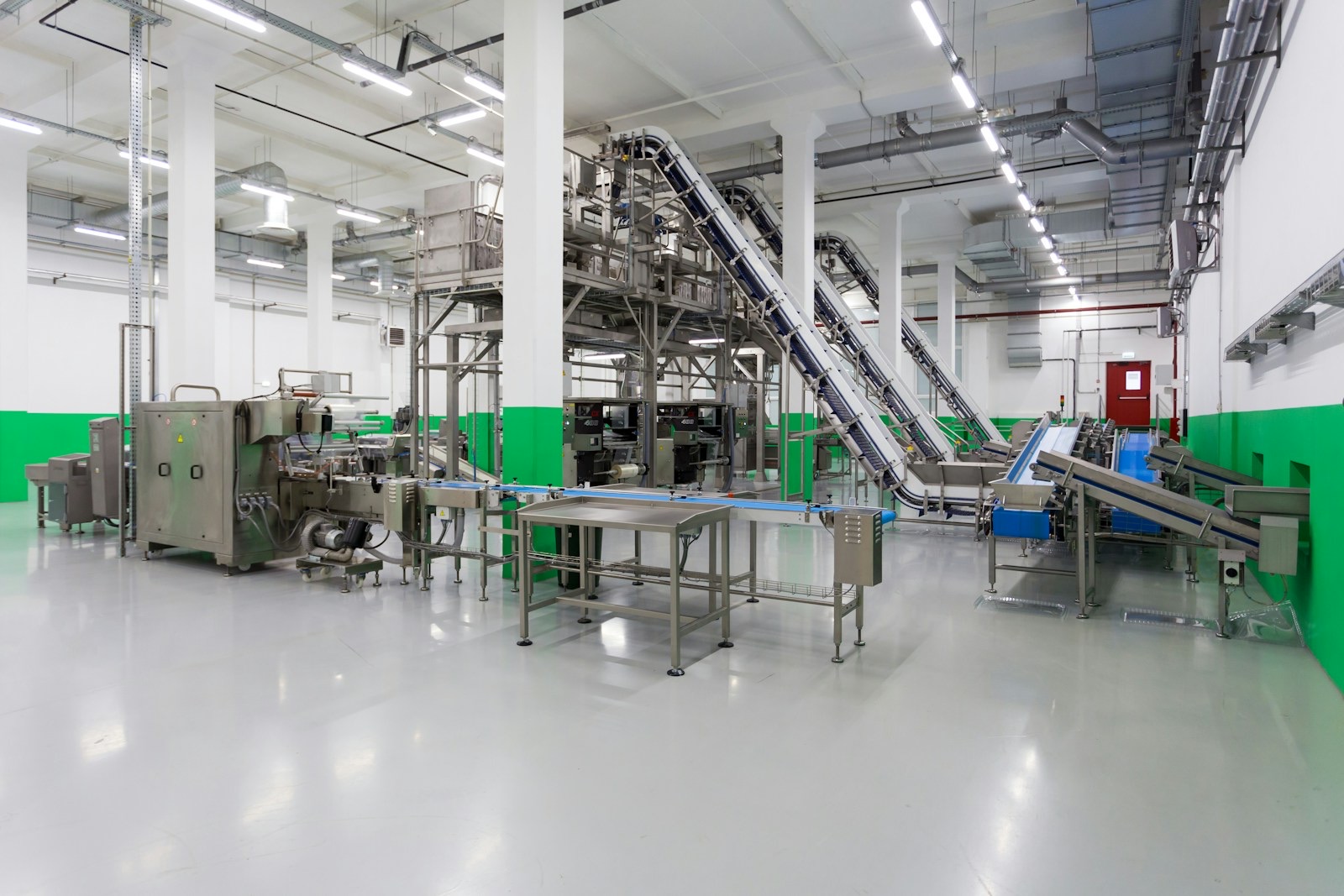
Four years after a single plant closure emptied American shelves, formula capacity is being added. The largest project by far is Mead Johnson putting several hundred million dollars and 600,000 square feet into the plant it already owns in Zeeland, Michigan. Two much smaller lines are going into Ohio.

America's solar manufacturing pipeline now holds 55.9GW of announced and in-build cell capacity and 41.4GW of modules. Wafers — the step that sits between polysilicon and cells, and without which neither is any use domestically — total 13.3GW across every stage of the pipeline combined.
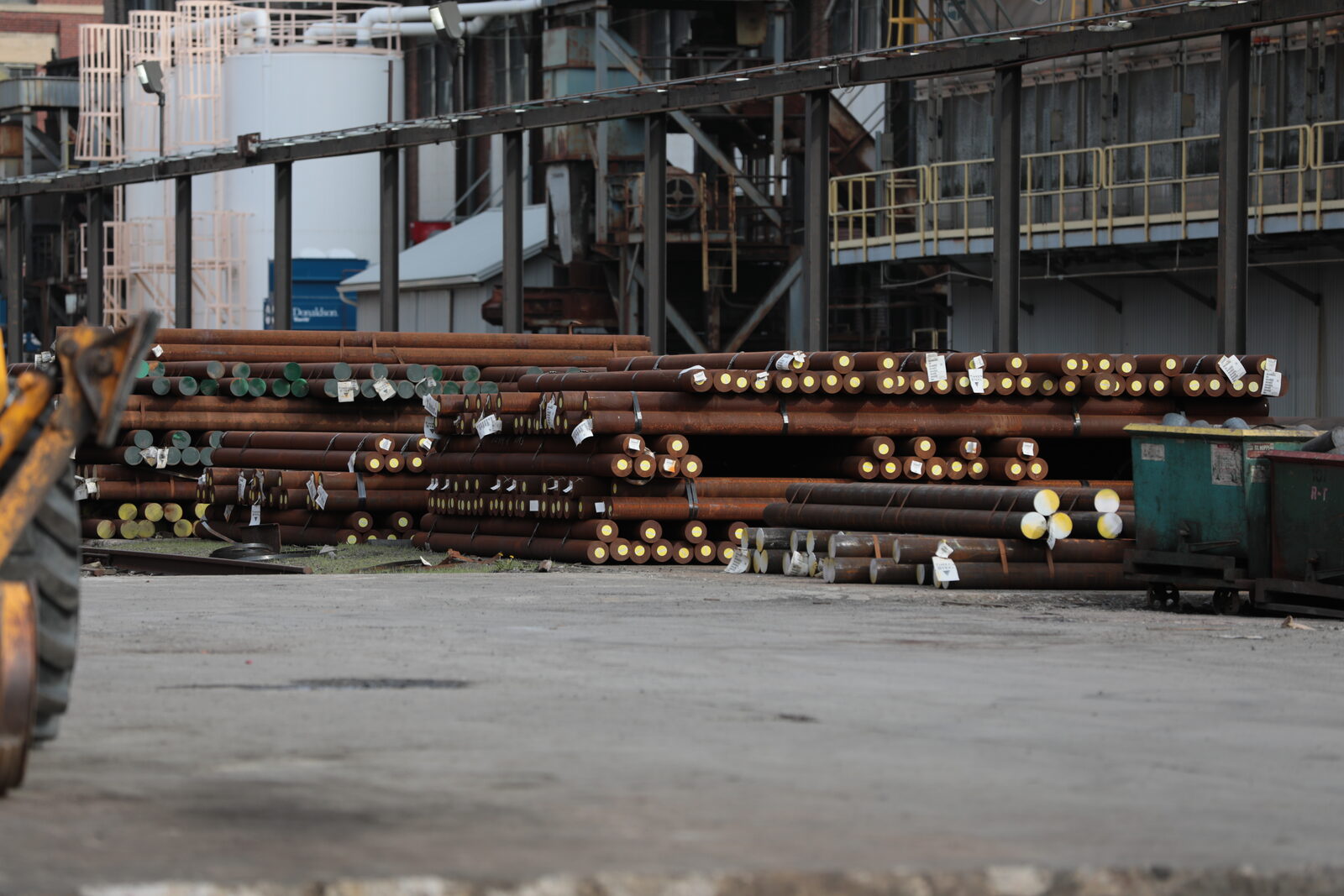
The US Army's acquisition chief spent a day in August on a howitzer production line in Changwon. The more consequential arrangement is in Arkansas, where a Korean firm has a preliminary lease at a US arsenal to build a $1.3bn plant making nitrocellulose and nitroguanidine — the chemistry every artillery shell is built on, and the part America stopped making.
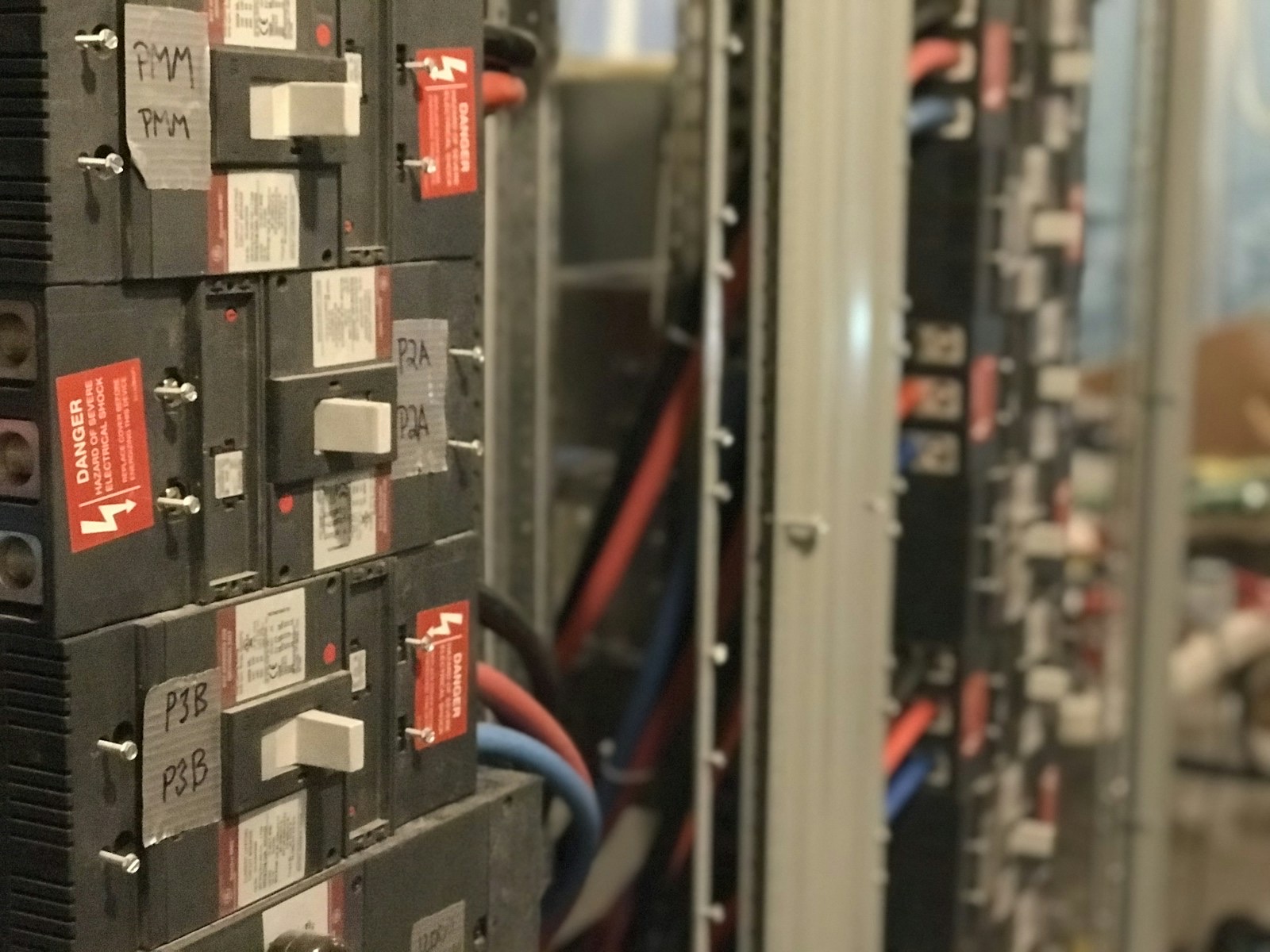
Eaton is putting $242m and 1,200 jobs into a million square feet in North Little Rock to make customised electrical enclosures, and says the plant will double its US capacity for them. A company does not double capacity for a product that is comfortably supplied.
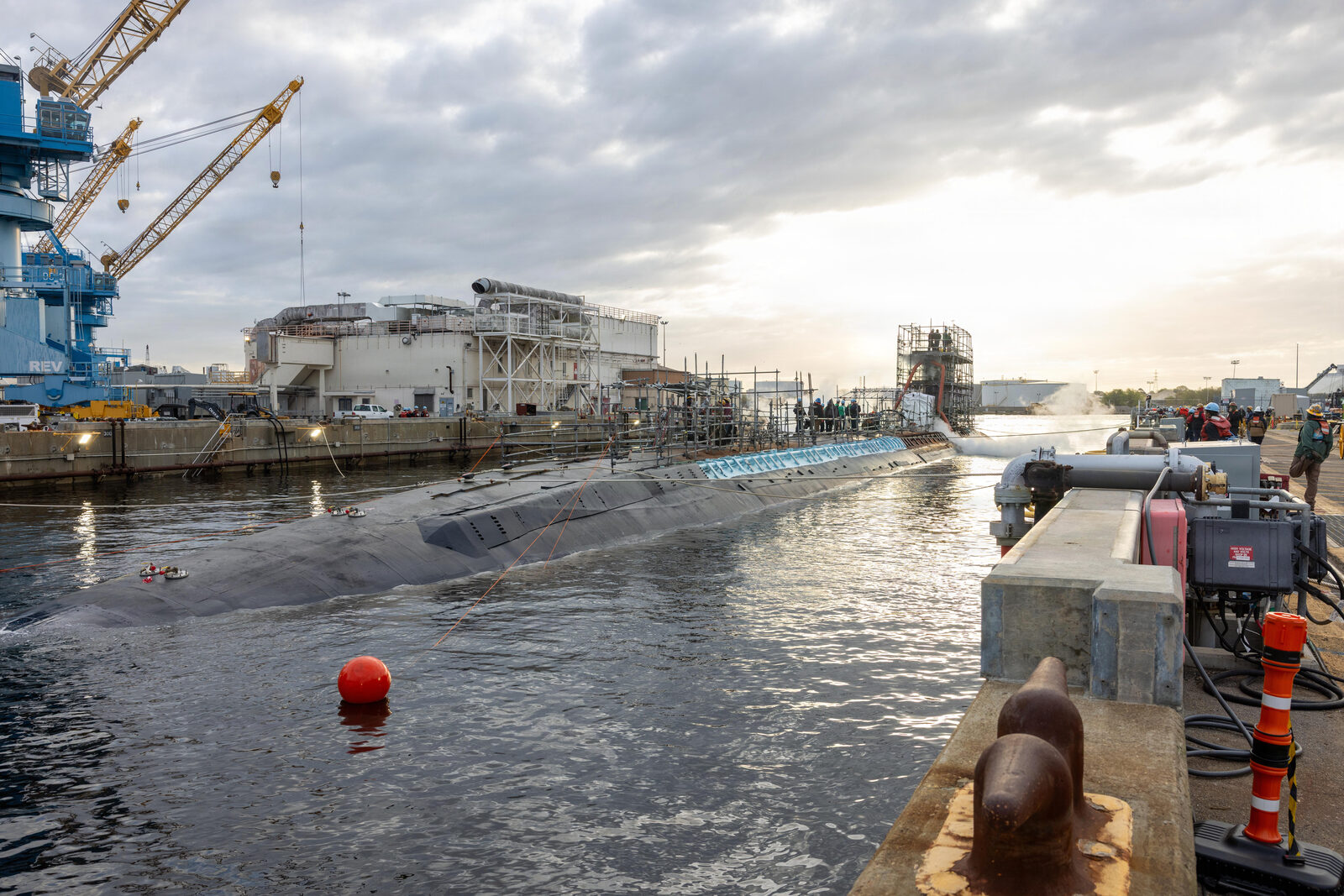
A ship out of service is capital earning nothing, and the number of places large enough to lift one out of the water has barely changed in decades. The queue, not the repair, is what costs the money.

Large buyers are paying later without renegotiating terms, financing themselves on the balance sheets of companies too small to object.

In-housing legal work saves real money on routine matters and converts a variable cost into a fixed one, which is fine until the volume that justified the hire goes away.
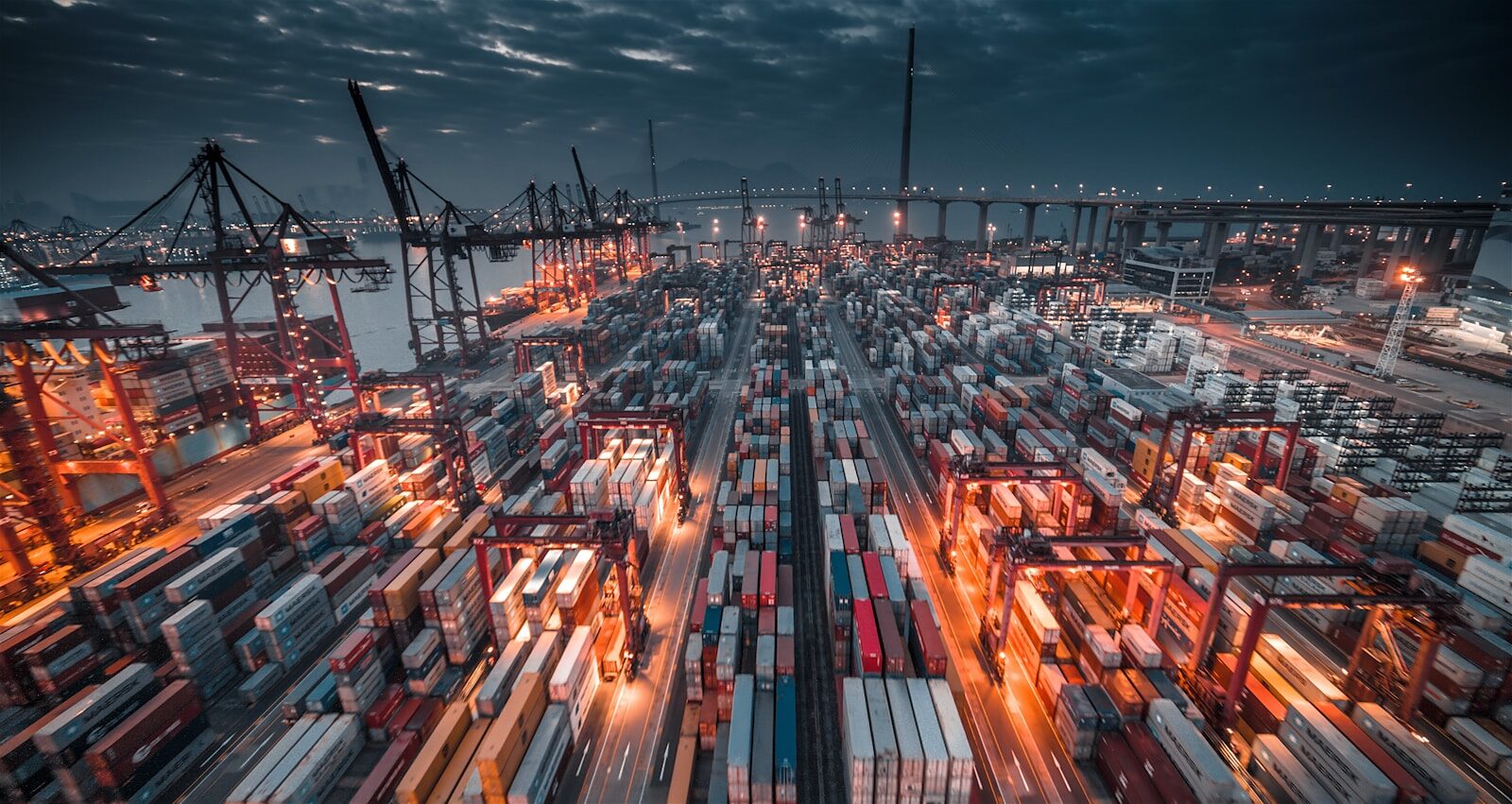
Procurement can name every direct supplier and almost none of their suppliers. The shortages that halt production keep arriving from that second layer, where nobody was looking.
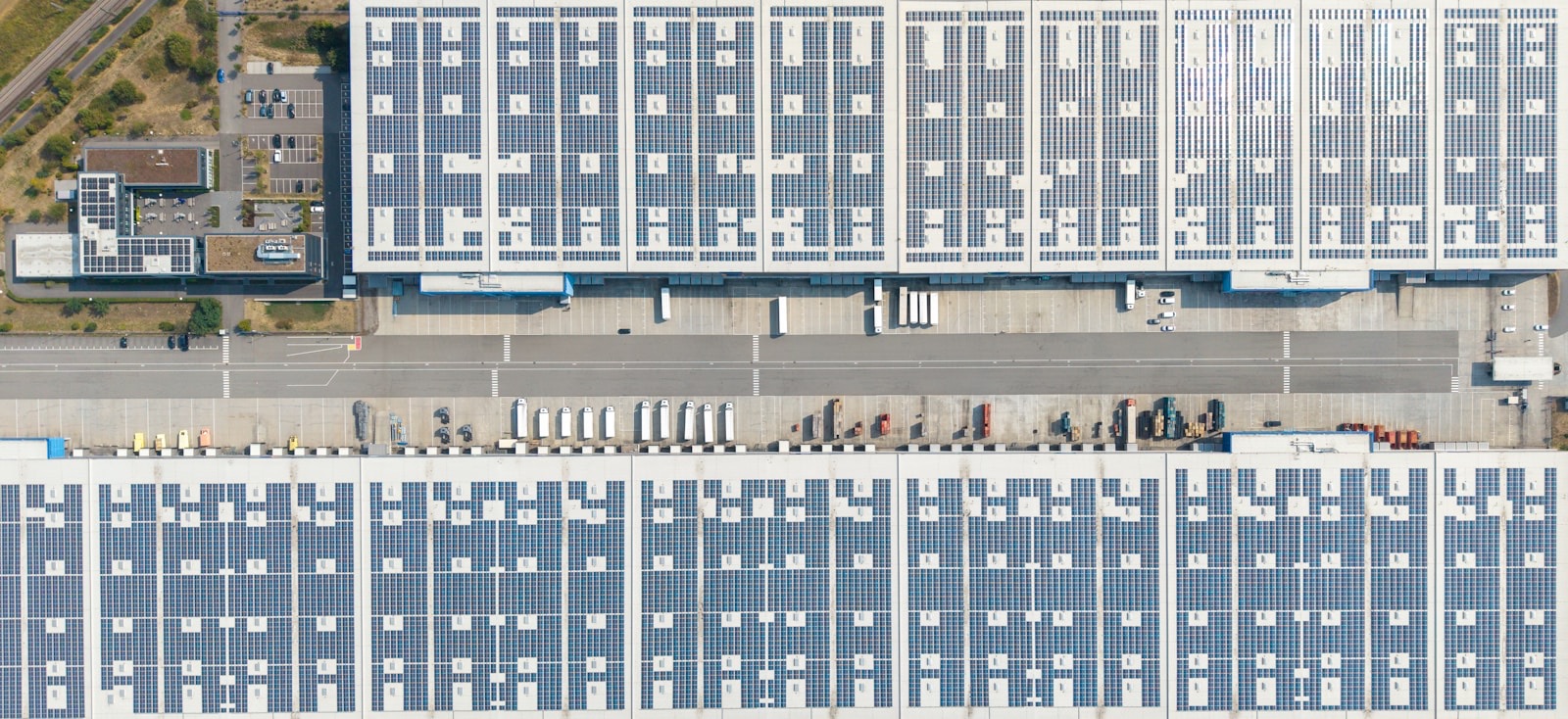
Companies short of capital are selling the property they operate from and leasing it back. The proceeds arrive immediately and the obligation arrives every month for two decades.

Mid-sized companies that spent years absorbing premium increases are forming captive insurers to keep the money in-house. It works, until the year it is tested.

Hospitals, resorts, universities and manufacturers are financing workforce housing because recruitment failed for a reason no signing bonus fixes. The model has a history, and it is not a happy one.

Corporate fleet electrification stalled while it was a sustainability commitment and started moving when it became a total-cost-of-ownership calculation that fleet managers could defend on their own terms.
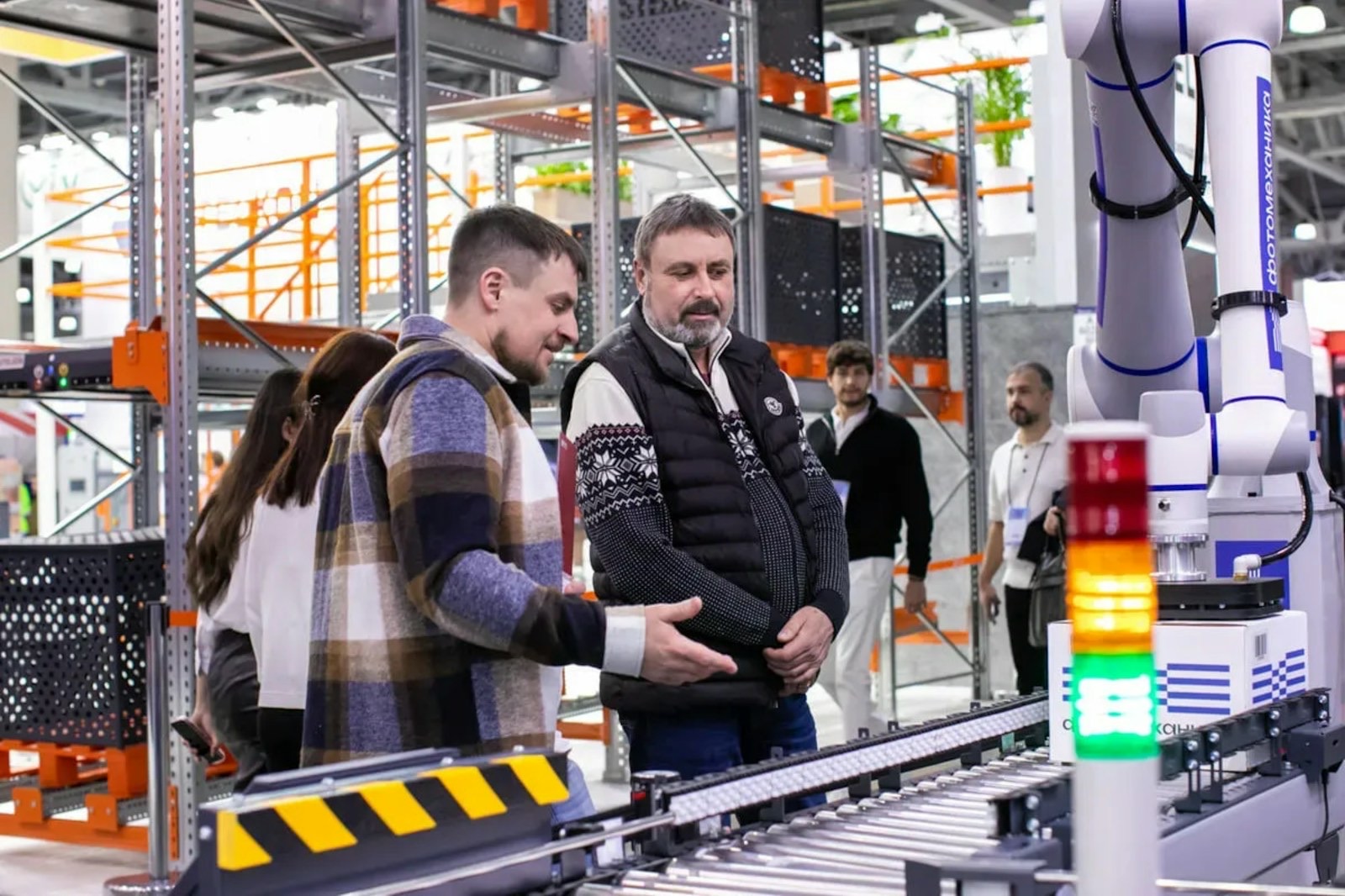
Robotics in distribution was a capital project only the largest operators could justify. Leasing, smaller machines and software that runs on existing racking have moved it within reach of companies shipping a few thousand orders a day.