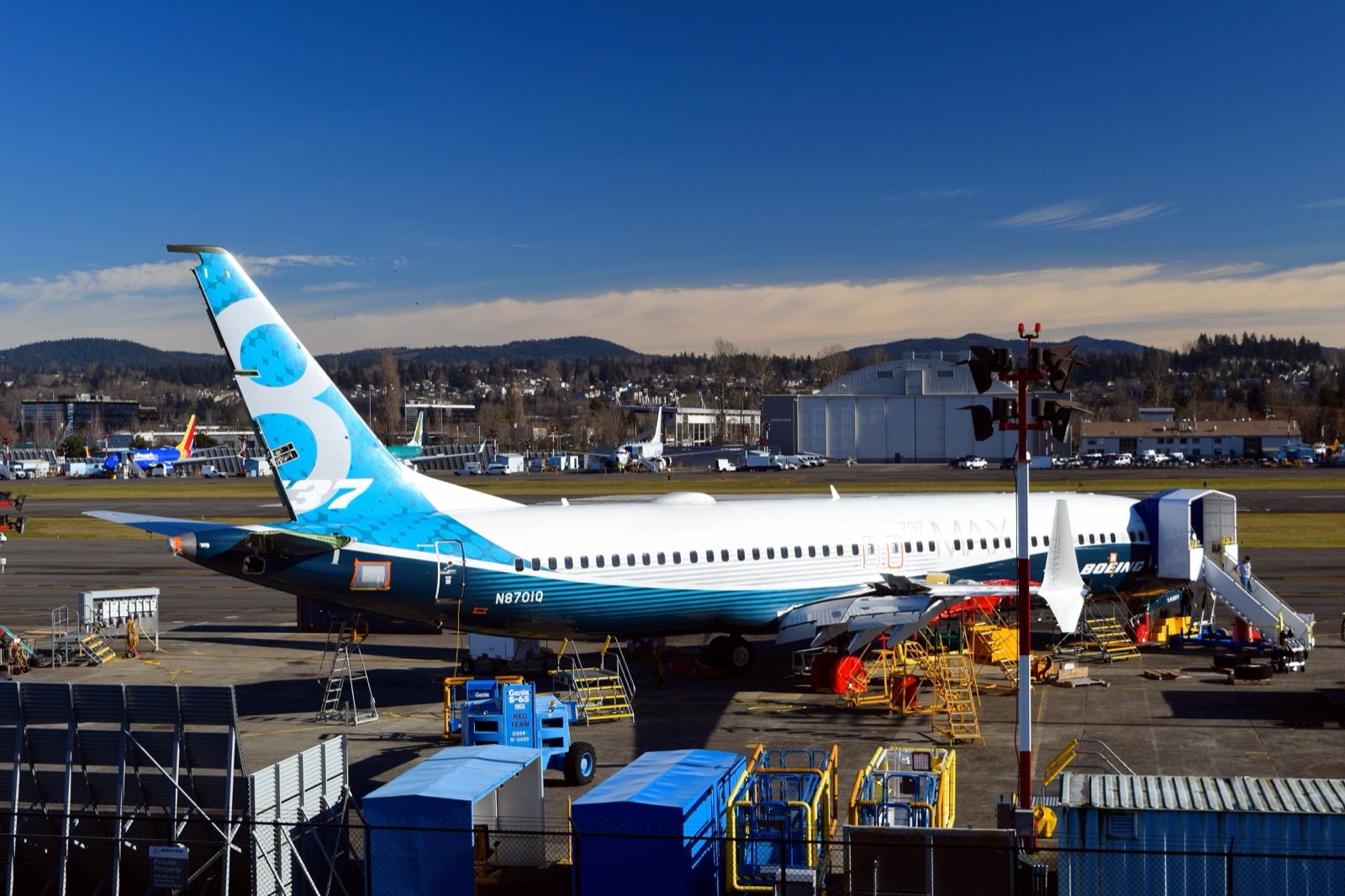
Boeing's commercial airplanes business lost $697 million in the third quarter while delivering 161 jets, about $4.3 million a plane by this publication's arithmetic, even as the company's order backlog reached a record $745 billion, Boeing said in its third-quarter release on Tuesday.
The company as a whole was close to break-even: revenue rose 4 per cent to $24.2 billion and the net loss was $116 million, or 26 cents a share, against a $5.3 billion loss a year earlier. This account rests on Boeing's releases. The question it raises is not demand. It is how long the backlog takes to turn into profitable deliveries.
How did the airplane business do?
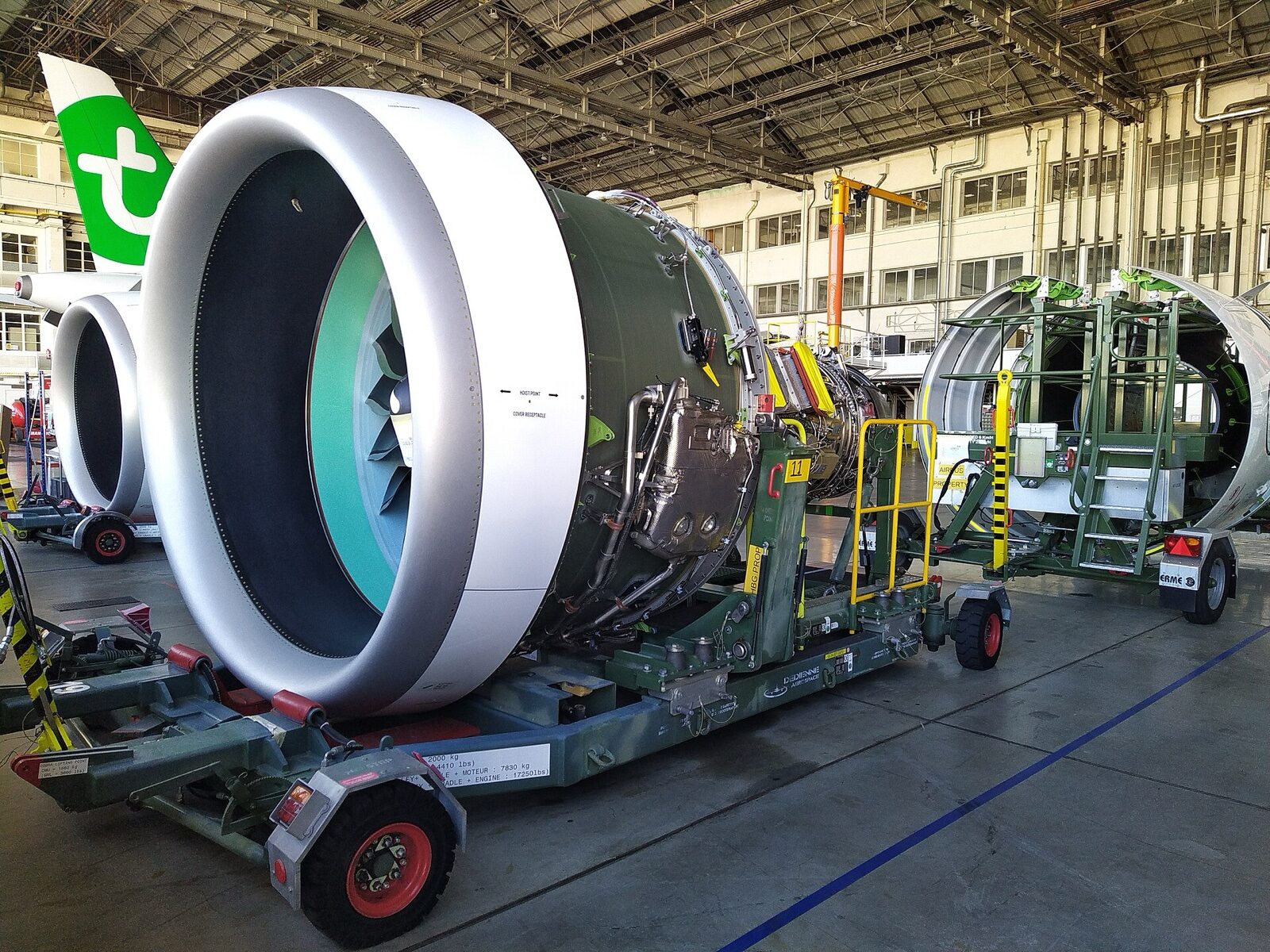
Worse than its delivery count suggests. Commercial Airplanes delivered 161 jets, against 160 a year earlier, but its revenue fell 3 per cent to $10.7 billion. Boeing blamed a less favourable delivery mix, higher projected costs tied to future production-rate changes and higher supply-chain costs. The unit's operating margin was minus 6.5 per cent, against minus 48.3 per cent a year earlier, when Boeing took a $4.9 billion pre-tax charge for the delay to 777X certification. Take that charge out of last year's $5.35 billion unit loss and the underlying loss was about $450 million, by this publication's arithmetic, assuming the whole charge sat in Commercial Airplanes, as Boeing's 2025 release indicated. On that basis, the loss per plane widened, from about $2.8 million to about $4.3 million.
| Model | Q3 2026 deliveries | Q3 2025 deliveries |
|---|---|---|
| 737 | 124 | 121 |
| 767 | 10 | 6 |
| 777 | 5 | 9 |
| 787 | 22 | 24 |
| Total | 161 | 160 |
Source: Boeing release, 27 October 2026.
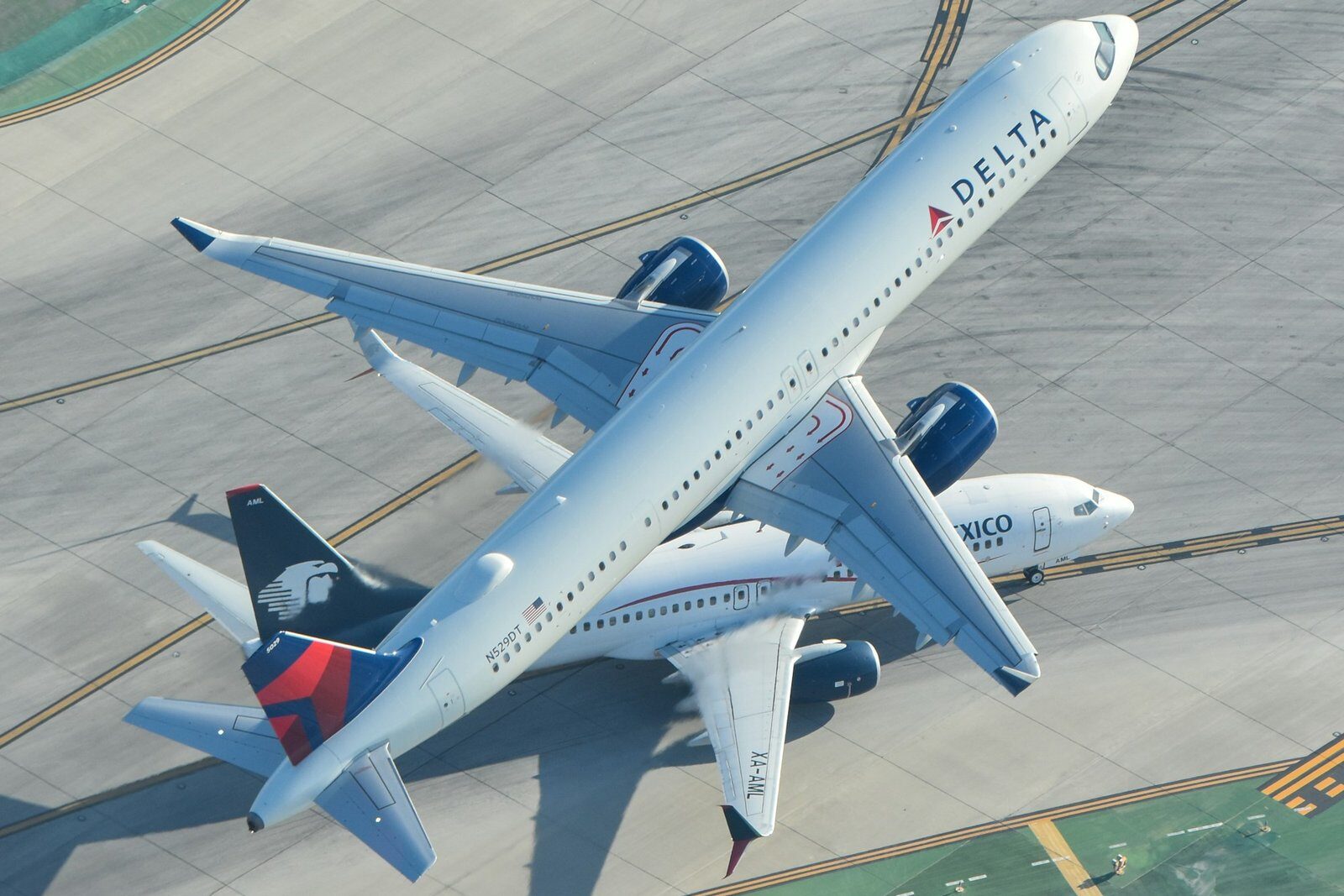
Fewer 777s and 787s, Boeing's most expensive jets, and more 737s explain the revenue drop. On our arithmetic, revenue per delivered plane, which also counts non-delivery revenue, fell to about $66.6 million from about $69.3 million.
The 737 is working toward a steady 47 a month, Boeing said, and the 737-7 and 737-10 variants received amended type certification from the Federal Aviation Administration, the second in October. The 787 is steady at 8 a month. The 777X remains on track for first delivery in 2027.
How big is the backlog?
Large enough to fill a decade. Commercial Airplanes booked 300 net orders, including from Turkish Airlines, Ethiopian Airlines and Lufthansa, almost twice the number it delivered. Its backlog reached more than 6,300 airplanes worth $612 billion. Boeing delivered 475 jets in the first nine months, a pace of about 633 a year; at that rate, the backlog would take about 10 years to clear, by this publication's arithmetic.
Total backlog, including defense and services, rose to $745.4 billion from $682.2 billion at the end of 2025, an increase of $63.2 billion, or 9.3 per cent, in nine months. A year ago it was $636 billion, including more than 5,900 airplanes.
What about defense?
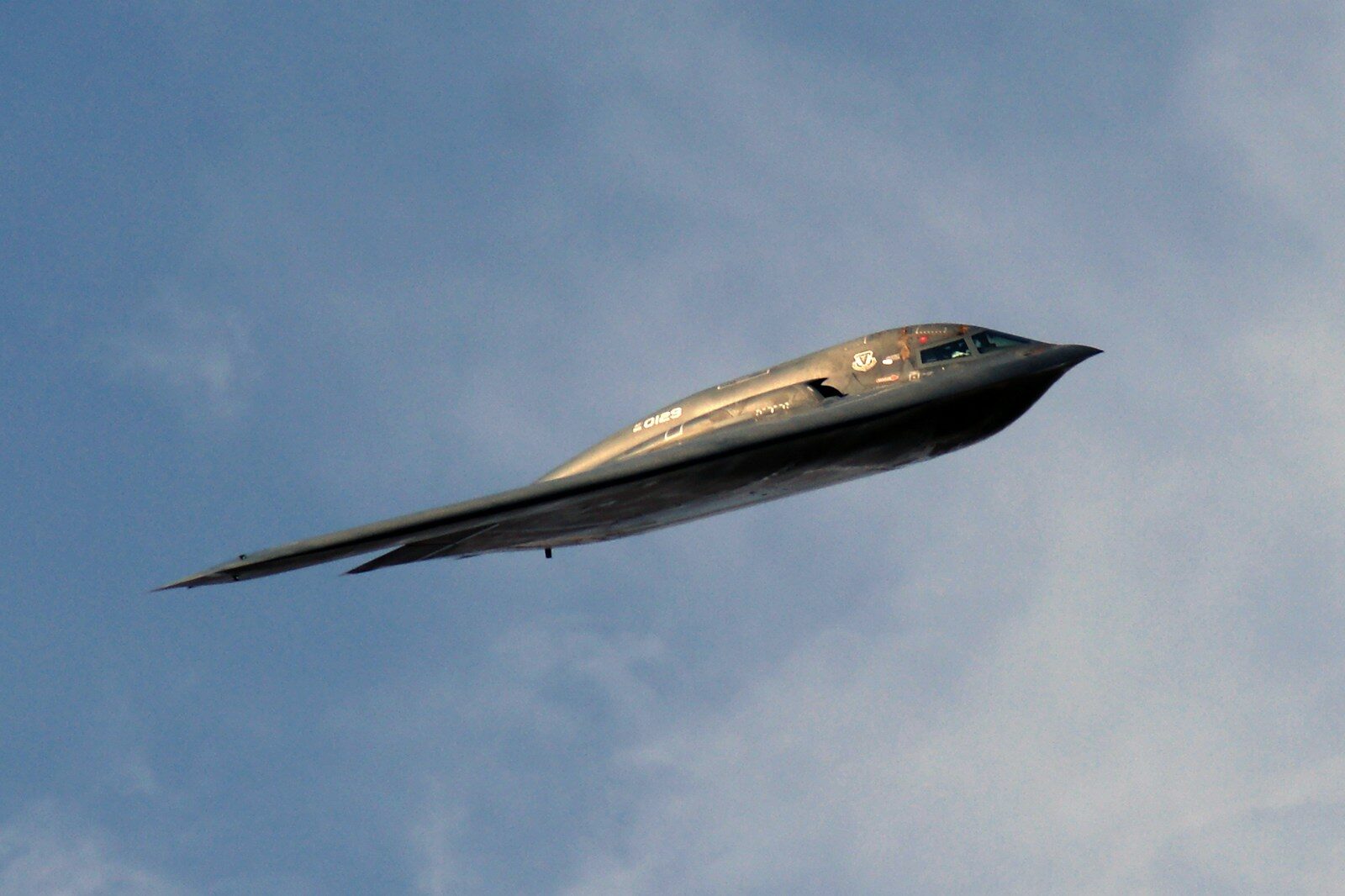
Better, with an asterisk. Defense, Space and Security revenue rose 15 per cent to $7.9 billion and its operating margin rose to 6.2 per cent from 1.7 per cent. The release says that margin "primarily reflects a $252 million gain on the HRL Laboratories sale" and improved performance. Without the gain, the margin would have been about 3.0 per cent, by our arithmetic.
The Navy selected Boeing to design and build the F/A-XX fighter, but the release says the order is not in backlog pending completion of the source-selection review. Defense backlog still reached a record $101 billion. Other defense contractors have also reported record order books this month: Northrop Grumman at $109.6 billion and RTX at $340 billion.
What about cash and debt?
Positive, barely. Operating cash flow was $1.5 billion and free cash flow $464 million, after about $0.7 billion of Department of Justice settlement payments. Capital spending of $1.03 billion went mostly to the Charleston and St. Louis sites. Boeing held $20.7 billion of cash and marketable securities against $45.9 billion of debt, and recorded $573 million of interest and debt expense in the quarter.
"But we are not done," Kelly Ortberg, Boeing's president and chief executive, said in the release. "We remain focused on safety and quality as we redouble our efforts on Lean and disciplined execution."
What happens next?
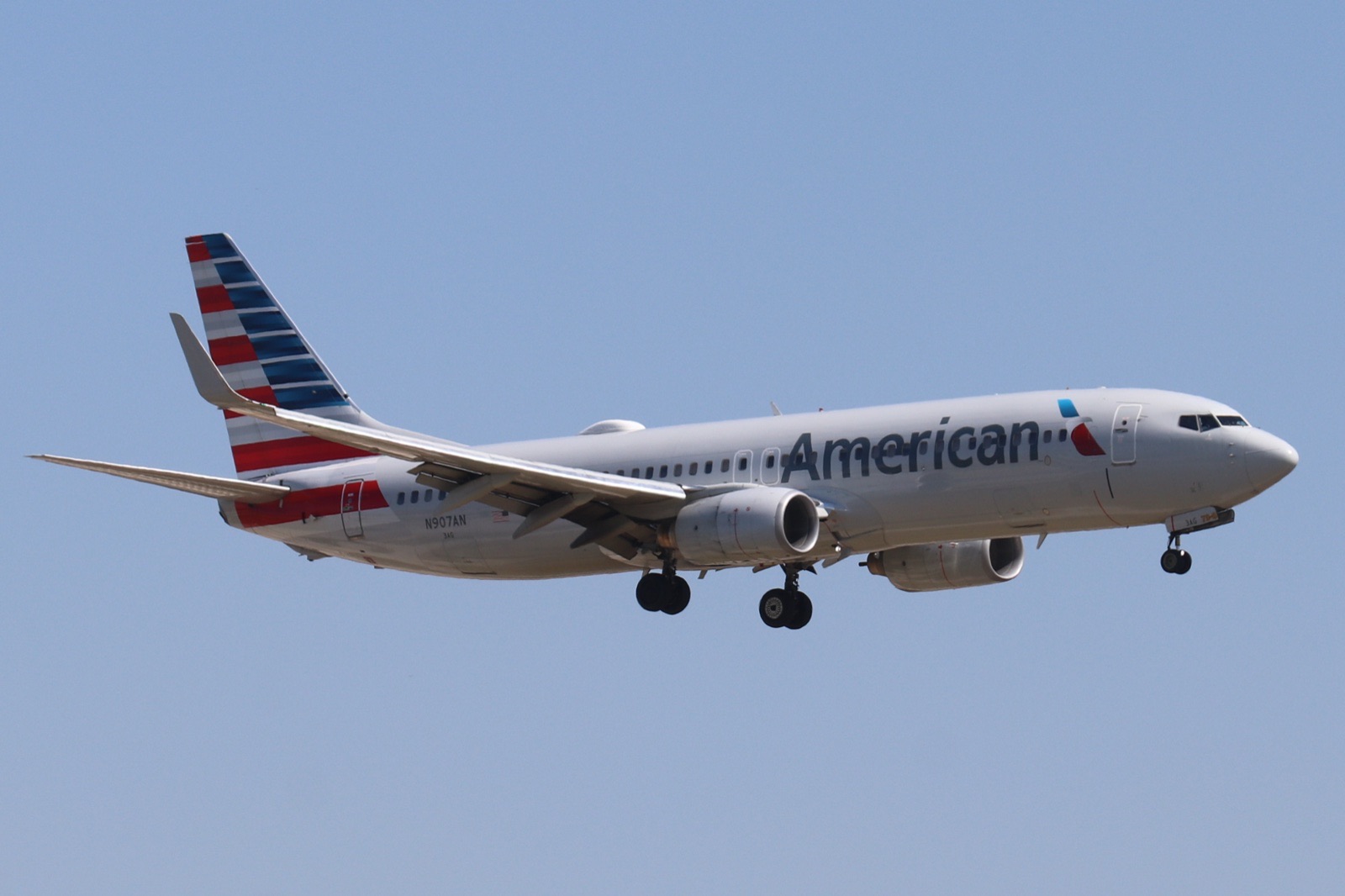
The airlines waiting on those 6,300 jets, such as American, care about timing more than margins. Boeing's test is the opposite: whether the 737 reaches 47 a month and the 777X delivers in 2027 without another charge. Until the commercial unit's loss per plane turns into a profit, the record backlog is a promise, not earnings.
The 2025 777X charge, the year-earlier backlog and airplane count are from Boeing's third-quarter 2025 release of 29 October 2025. All other results, deliveries, backlog, cash flow, debt, the HRL Laboratories gain, the Department of Justice settlement payments, programme status and Kelly Ortberg's quote are from Boeing's third-quarter release of 27 October 2026, filed with the SEC as exhibit 99.1 to a Form 8-K. This account rests on Boeing's own releases. The underlying 2025 unit loss assumes the whole 777X charge was booked in Commercial Airplanes. Loss per delivery, the underlying 2025 unit loss, years of backlog, the defense margin excluding the gain, the backlog increase and the unit book-to-bill are this publication's arithmetic. The analysis is our own.
Topics businessaerospaceearningsairlinesdefensemanufacturing