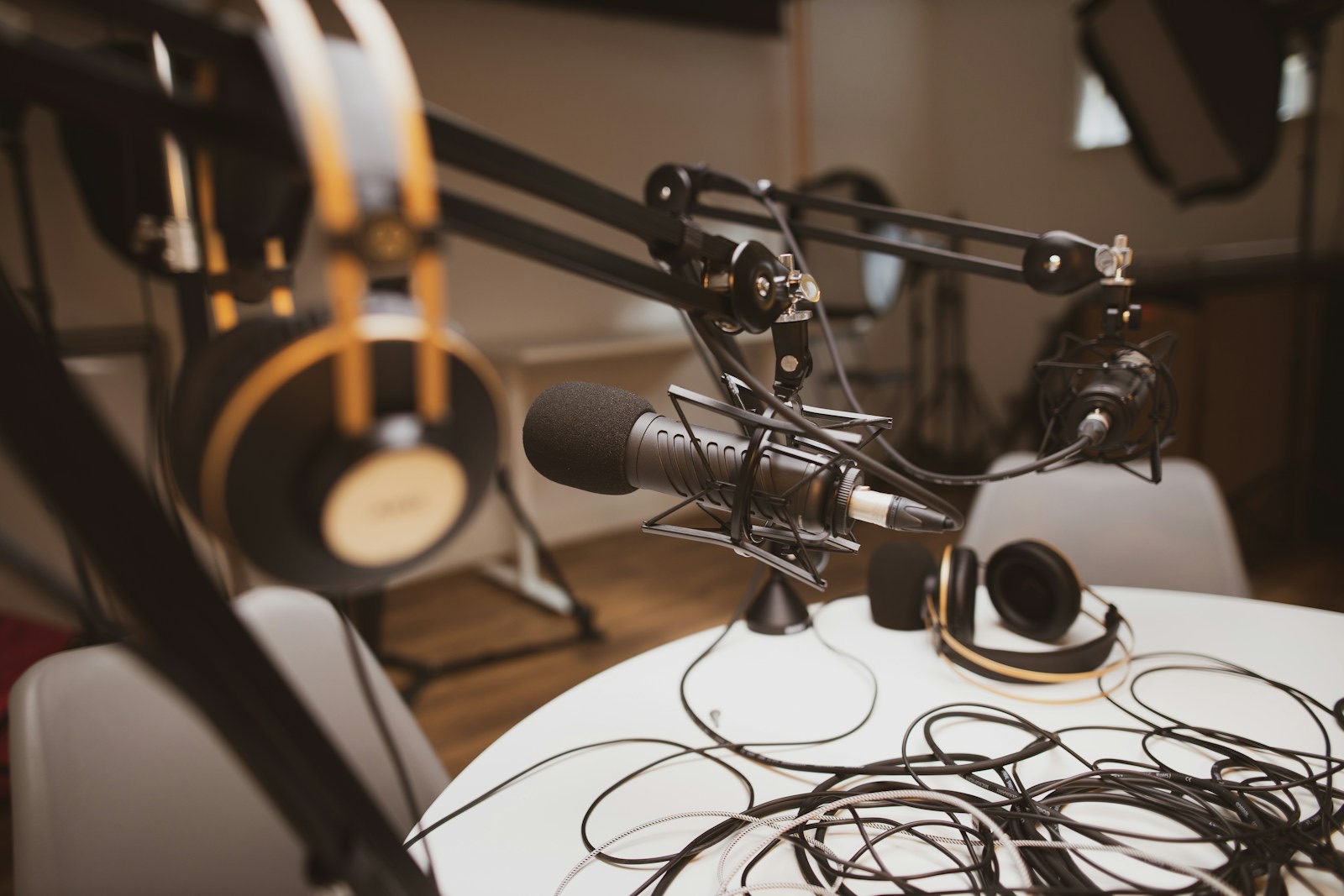
The Podcast Became a Video Business When Nobody Was Looking
Audio-first shows are building studios because discovery moved to video platforms. The production cost rose, the advertising improved, and the thing that made podcasting cheap is gone.

Thursday, October 15, 2026
Audio-first shows are building studios because discovery moved to video platforms. The production cost rose, the advertising improved, and the thing that made podcasting cheap is gone.

Outlets that spent a century competing are pooling coverage of the beats none of them can staff alone. The arrangement works because the thing they are sharing was never what made them distinct.

Synthetic narration has made it viable to record books that were never going to be recorded. It has also made the gap between a reading and a performance the whole commercial question.
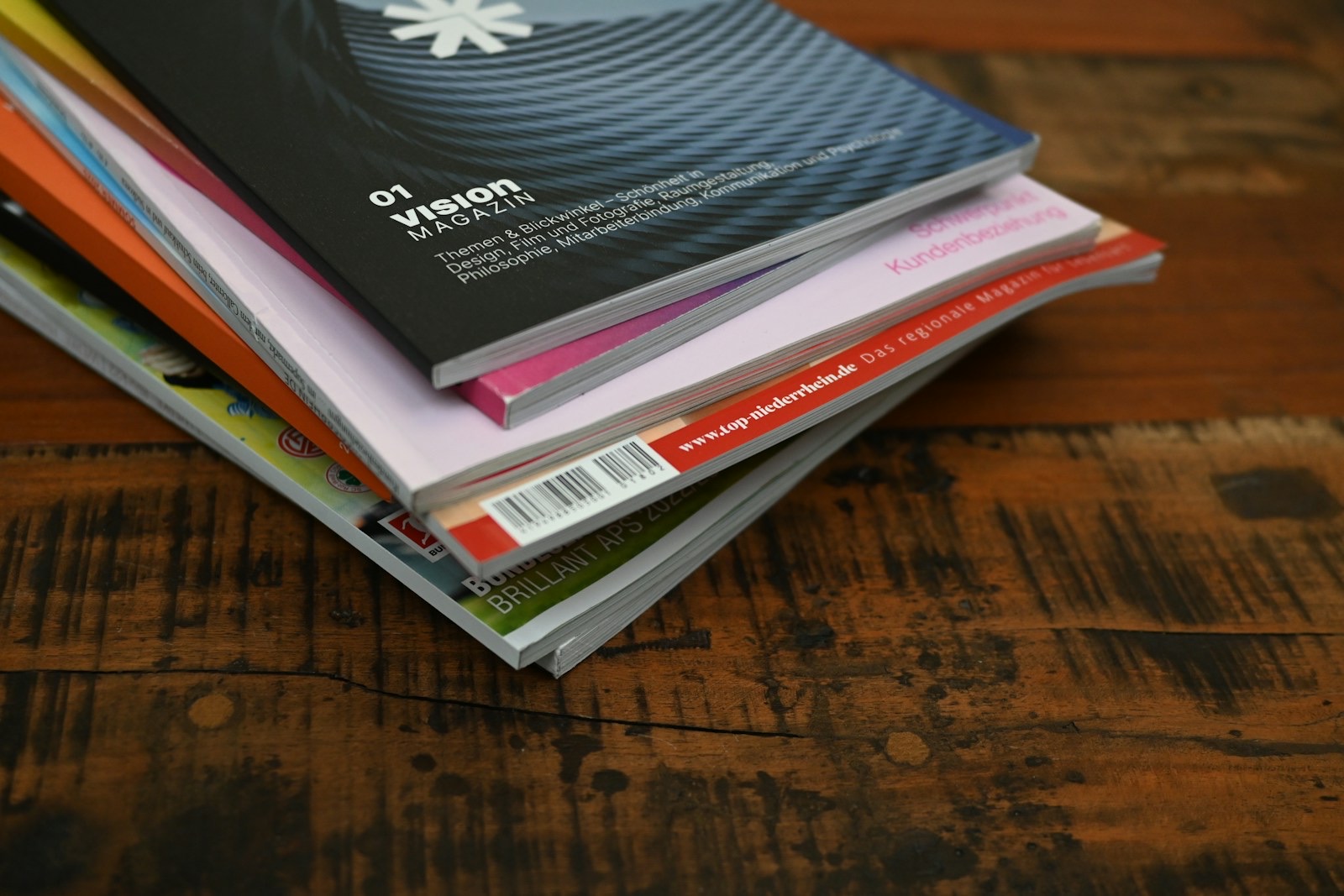
Publishers that spent two decades shrinking print are reintroducing it at high prices and low volumes, aimed at readers who already subscribe digitally and want something the feed cannot supply.
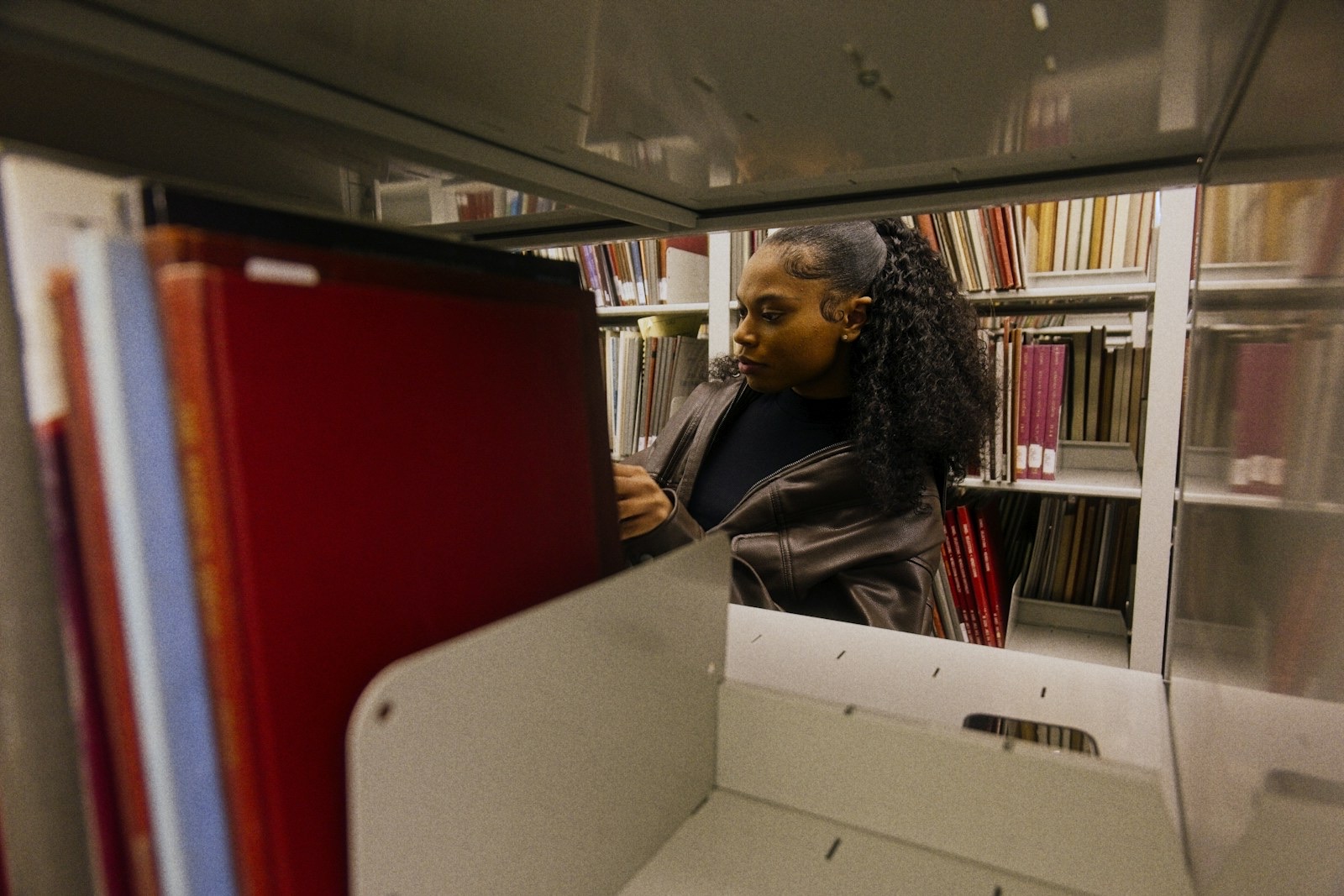
Publishers spent two decades treating back catalogue as storage cost. The same material is now the thing buyers want, and the ones who kept clean rights records are discovering how few of their competitors did.

Search and social sent a generation of publishers the audience their businesses were designed around. As answers replace links, the surviving strategies assume the visit may never happen at all.
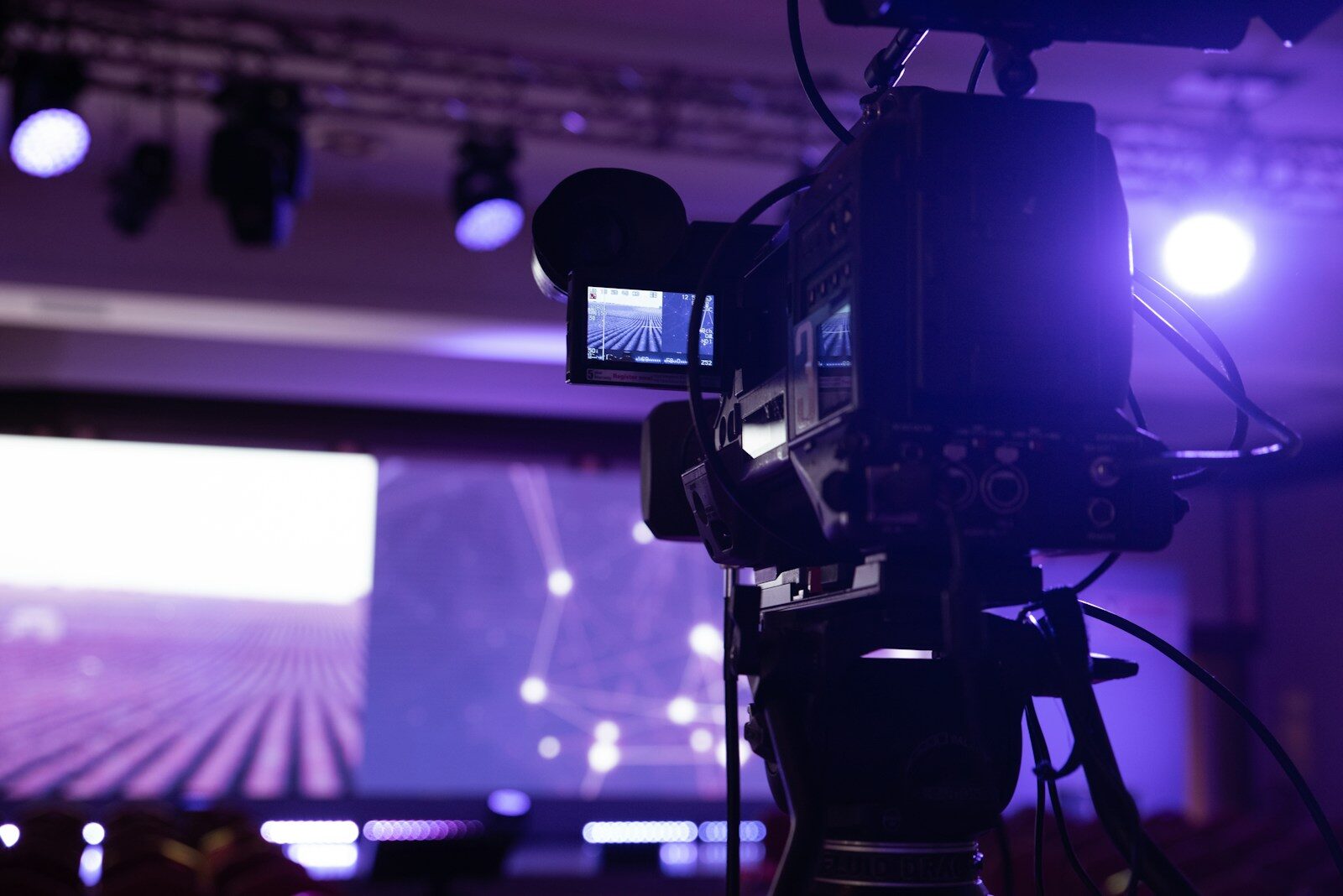
Regional sports networks were the last thing holding a large number of cable subscriptions together. As teams take distribution into their own hands, the arrangement underneath is coming apart.
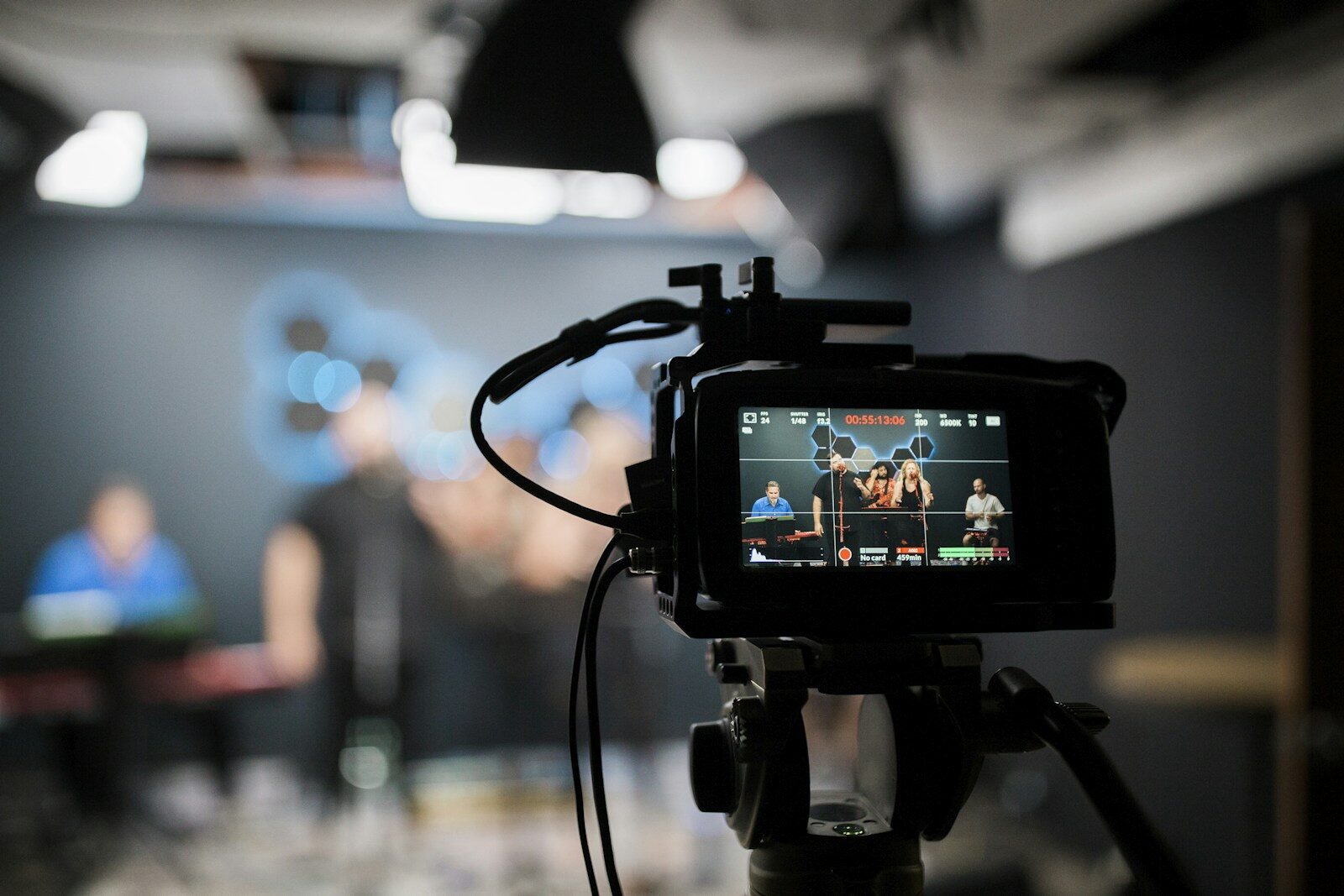
A single operator with a camera, an editing suite and a beat is becoming the dominant local video news format, and the economics finally work.

The search for a single currency of audience measurement has been abandoned in practice if not in rhetoric. What replaced it is messier, more honest and better suited to how media is actually consumed.
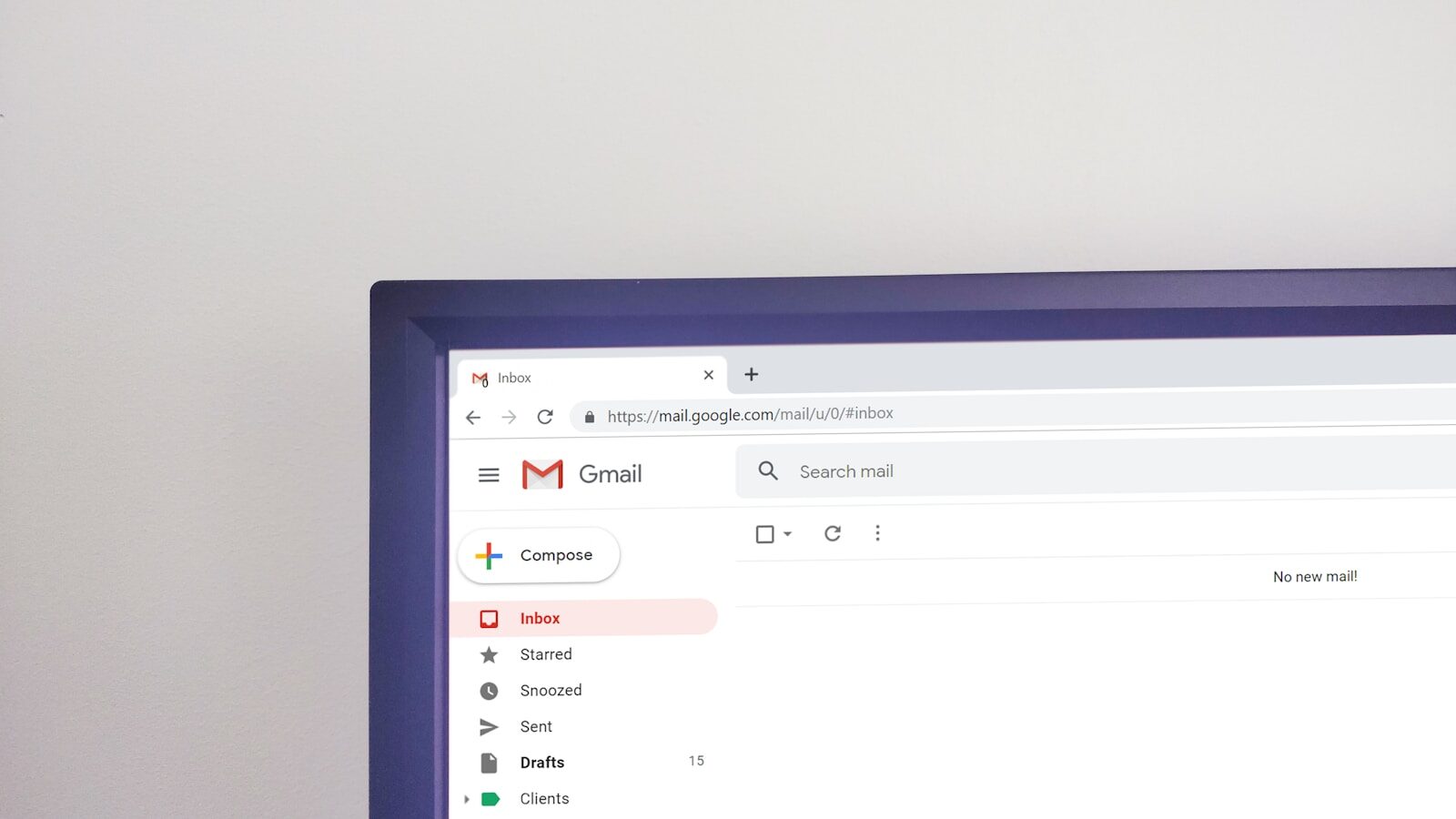
The one-writer newsletter boom created thousands of small media businesses. Now the successful ones are buying each other, hiring staff and turning into what they replaced.
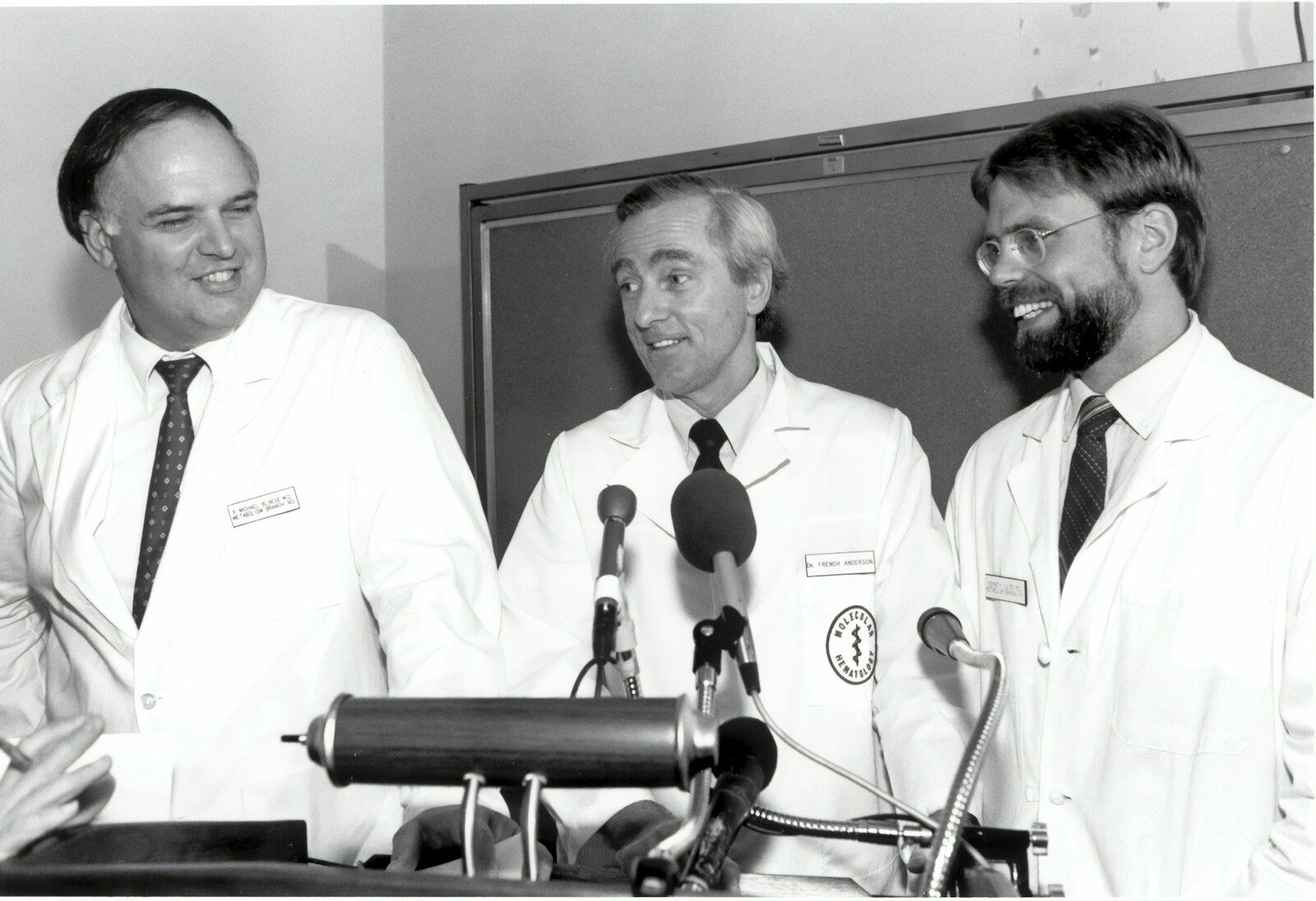
Declared obsolete for two decades, the press release has instead become the load-bearing document of the information economy, feeding newsrooms, databases and now AI systems.
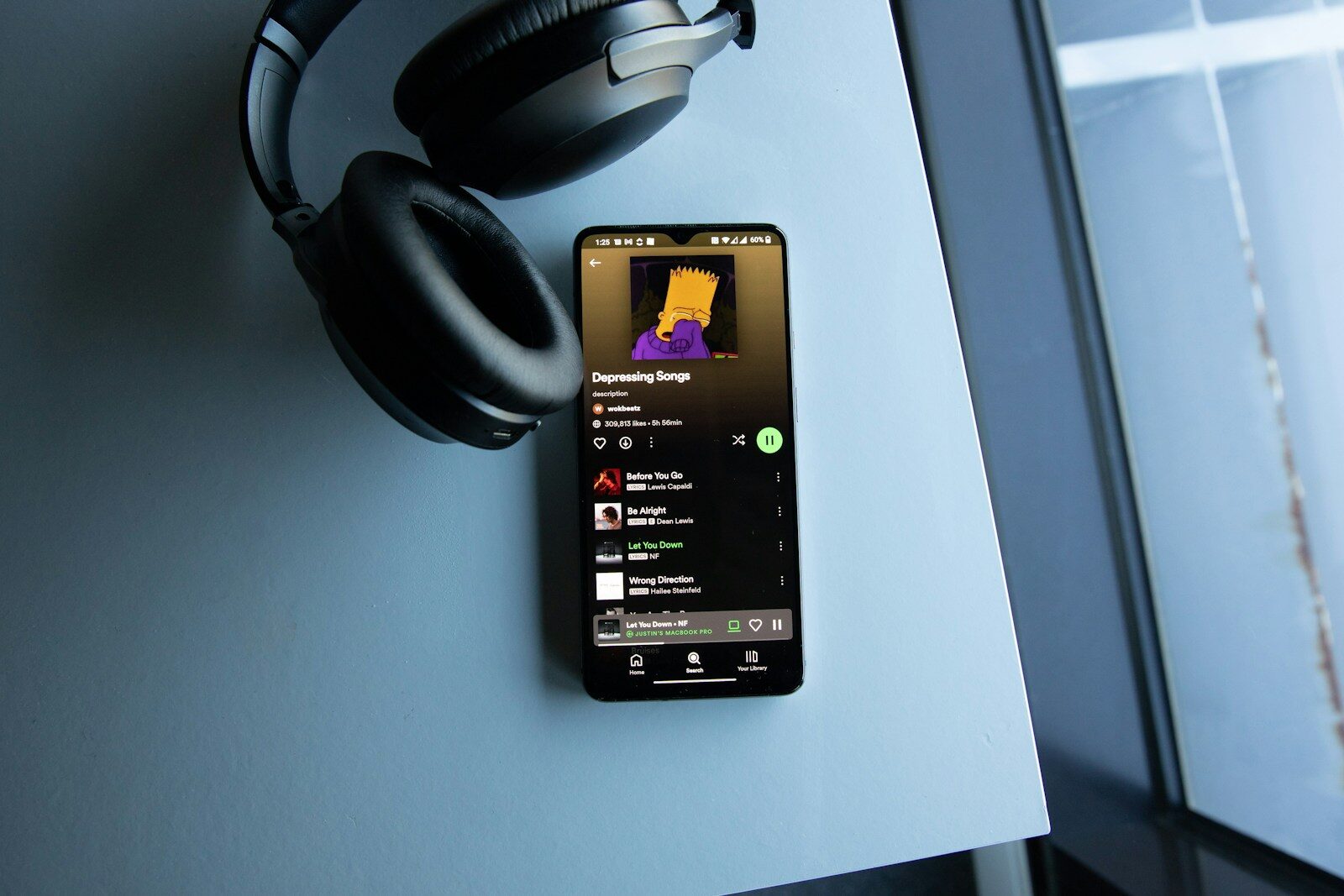
The smallest shows with the most specific audiences are commanding the strongest ad economics in podcasting, and the money is reorganizing around them.
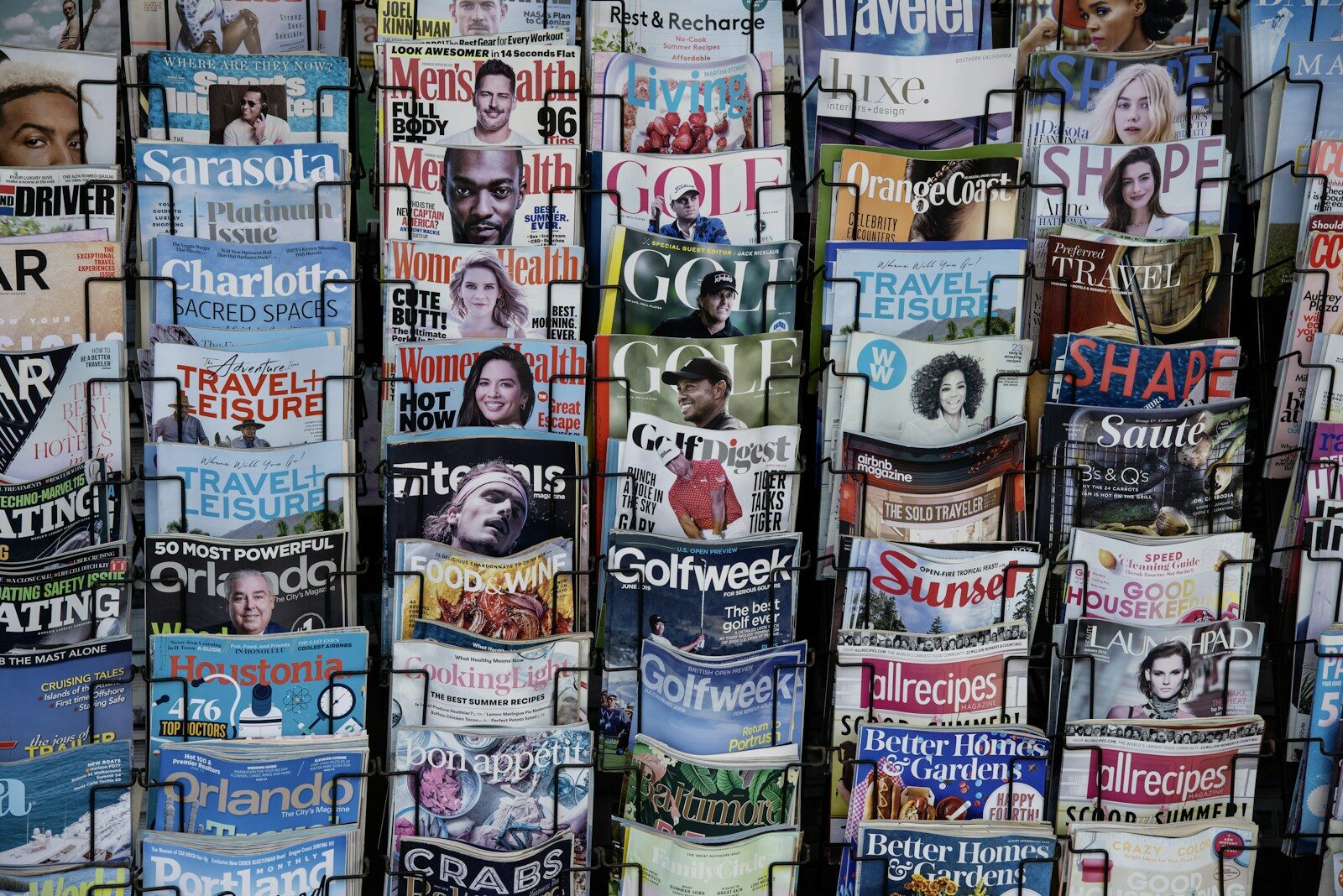
Narrow, unglamorous and indispensable to the people who read them, business-to-business titles have proven more durable than the consumer publishing that once looked down on them.

Live events have moved from marketing sideline to core revenue at publications of every size, monetizing the one asset platforms cannot intermediate: the room.