
The Interpreter Is the Part of the Visit Nobody Budgets For
Federal rules oblige providers to offer interpretation and no payment mechanism accompanies the obligation. What fills the gap is a family member, which is where the errors start.

Thursday, October 15, 2026
Federal rules oblige providers to offer interpretation and no payment mechanism accompanies the obligation. What fills the gap is a family member, which is where the errors start.
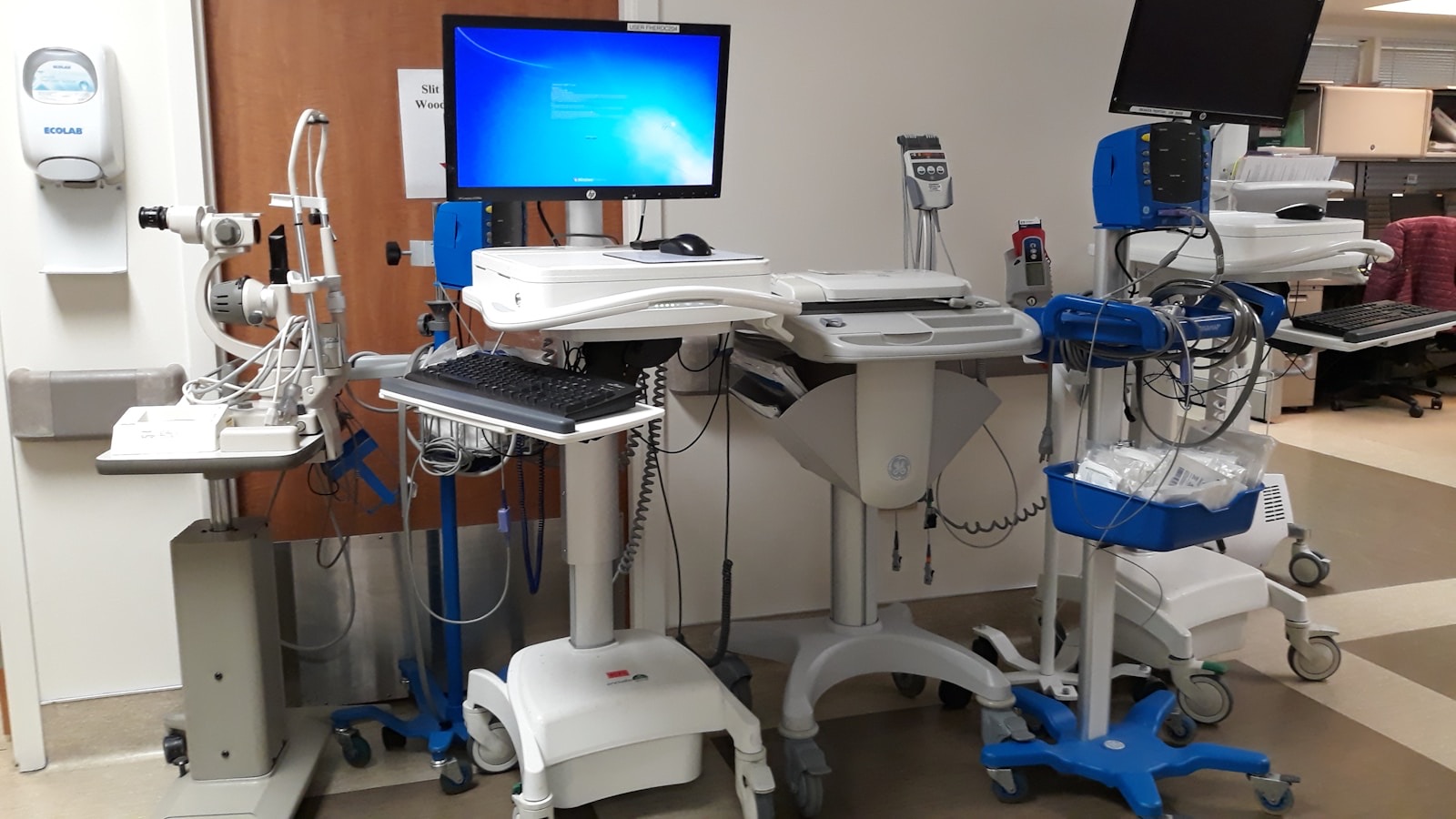
Imaging systems and infusion pumps are capital assets depreciated over a decade or more, running software the manufacturer stops supporting long before the hardware wears out.

Federal rules ended most balance billing for out-of-network care. Ground ambulance rides were excluded, which leaves the one service nobody selects still able to bill the difference.

Separating the property from the operation made nursing homes financeable. It also created a fixed obligation that does not move when occupancy does, and that is where the failures start.

Independent physician practices have been bought at scale by hospital systems, insurers and investment firms. Patients are largely unaware, and the ownership determines more than the medicine does.
![14-1011-039 print 8x10 b&w "D" Ward, US Naval Hospital, Quantico, VA. [Ward][Nurses][Corpsmen][Patients] Navy Medicine Historical Files Collection - Facilities](/assets/photos/travel-nursing-permanent-1600w.jpg)
Hospitals brought in contract nurses to cover a crisis and have not been able to stop. The rates came down, the dependency did not, and the permanent staff who remain now work beside colleagues paid differently for the same shift.

Insurers deployed software to process approval requests faster. Providers deployed software to submit more of them. The volume rose, the staffing did not fall, and the patient is waiting roughly as long as before.

Obstetric units require staffing around the clock for a volume that cannot pay for it. Hospitals keeping the lights on elsewhere are shutting maternity first, and the distances patients travel are becoming the clinical problem.

Every payer wants care delivered at home because it is cheaper. The workforce that would deliver it is the least stable in the industry, and the two facts have not yet been reconciled.
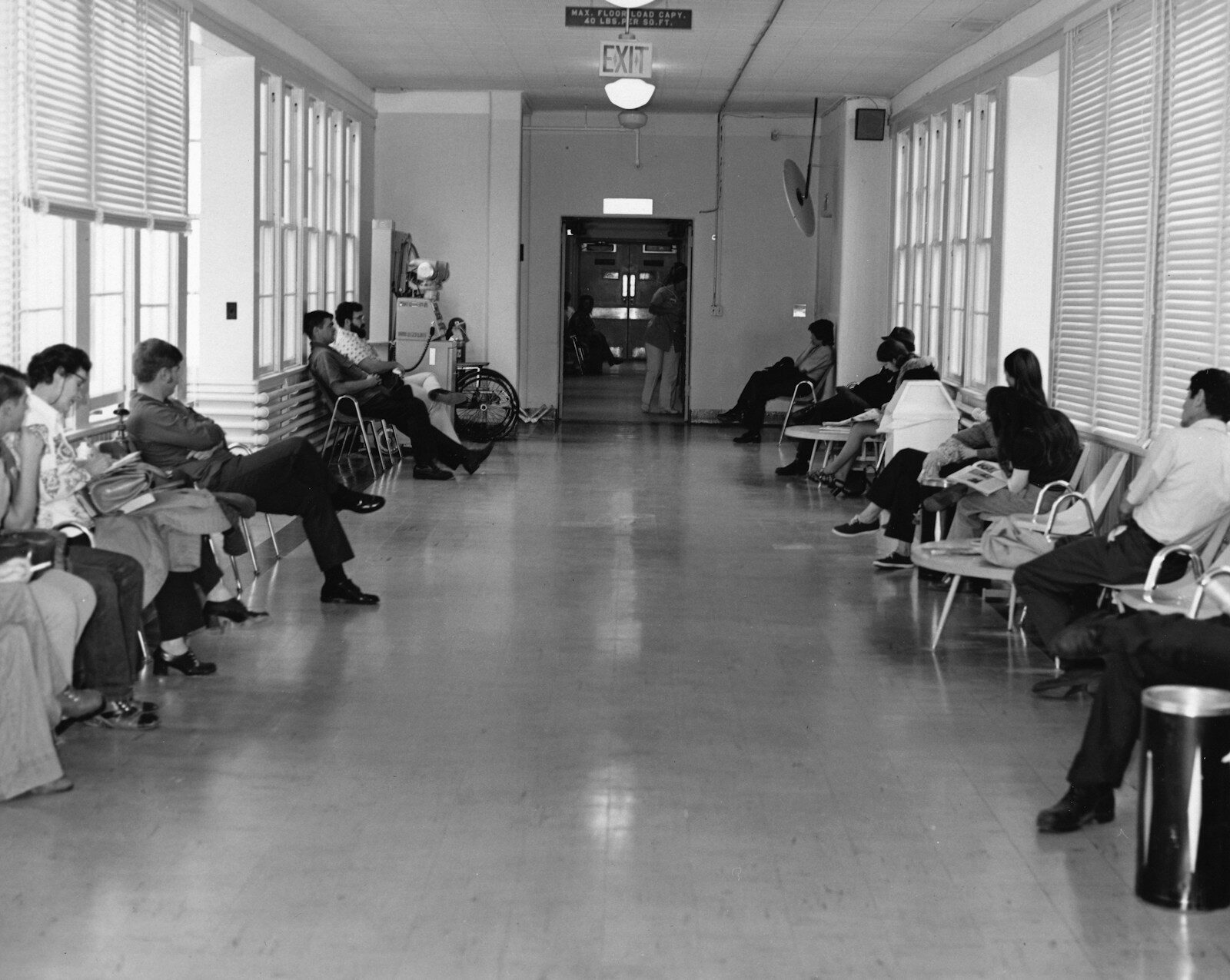
The physician shortage in primary care is no longer a projection. The response taking shape reorganizes who does what, rather than waiting for doctors who are not coming.

Transparency rules produced enormous files that consumers never opened. Employers and their advisers did, and the negotiating conversation has changed as a result.

After a spending boom, employers are auditing what their mental health benefits actually deliver, and the results are separating clinical substance from wellness decoration.

Employers battered by health costs are reviving an old idea: putting the doctor inside the workplace, and the modern version is outperforming its ancestor.

Chain closures have moved the access problem into cities, where the affected neighborhoods have transit rather than distance working against them. The economics behind the closures are not local.

Produce prescriptions and medically tailored meals are entering mainstream insurance coverage, backed by the least surprising research finding in healthcare.
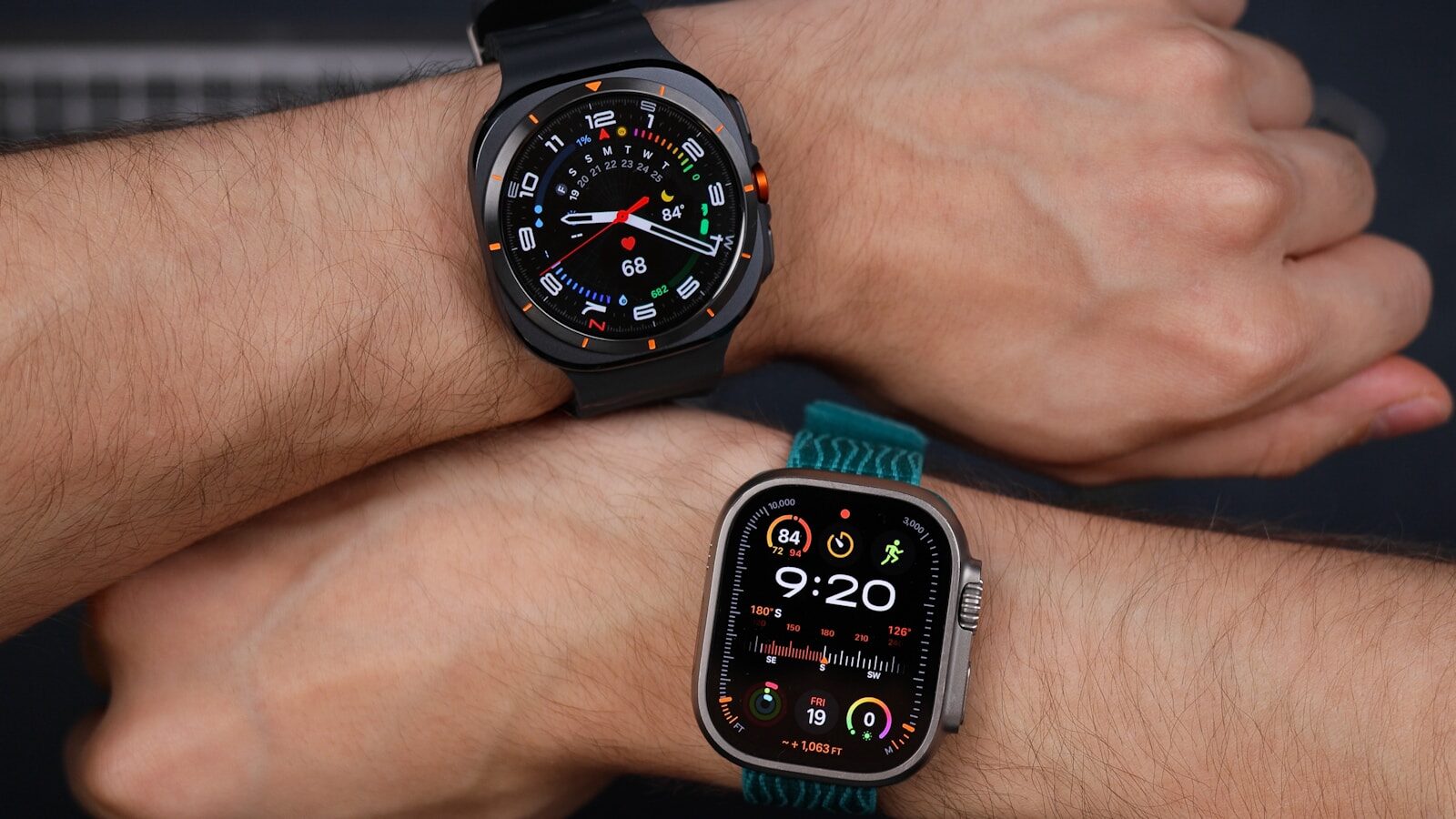
After a decade of patients arriving with watch data their doctors ignored, clinical workflows are finally being built to use it, selectively and skeptically.

Mid-sized employers, squeezed by renewal increases, are contracting directly with flat-fee primary care clinics and cutting insurers out of the first layer of care.