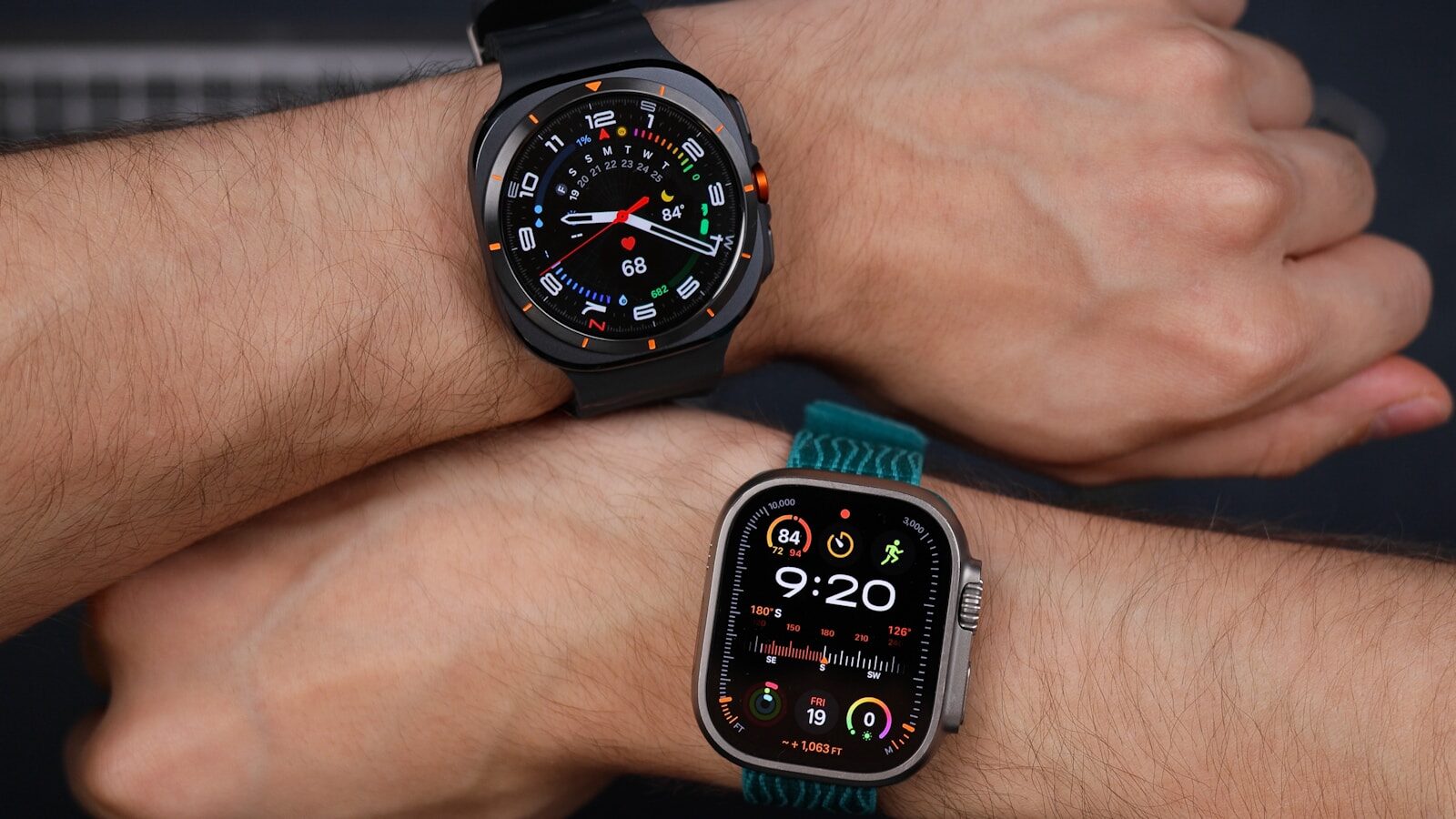
For years the consumer wearable and the medical system regarded each other across the exam room with mutual incomprehension: the patient holding a year of continuous data, the physician with ninety seconds and no billing code for any of it. The impasse is breaking, though not the way the gadget industry predicted.
What changed was not the devices, which improved incrementally, but the plumbing around them. Clinical guidelines now specify when consumer heart-rhythm alerts merit workup. Payment codes exist for reviewing patient-generated data. And filtering software has emerged to do the essential work of ignoring almost everything, surfacing to clinicians only the patterns that cross defined thresholds.
Selective adoption is the adoption
The uses that stuck are narrow and real: arrhythmia surveillance, blood pressure trending between visits, activity recovery after surgery, sleep patterns in specific disorders. Each shares a structure, a defined signal, a validated threshold, a clear next action. The general firehose of wellness data remains, clinically, a firehose.
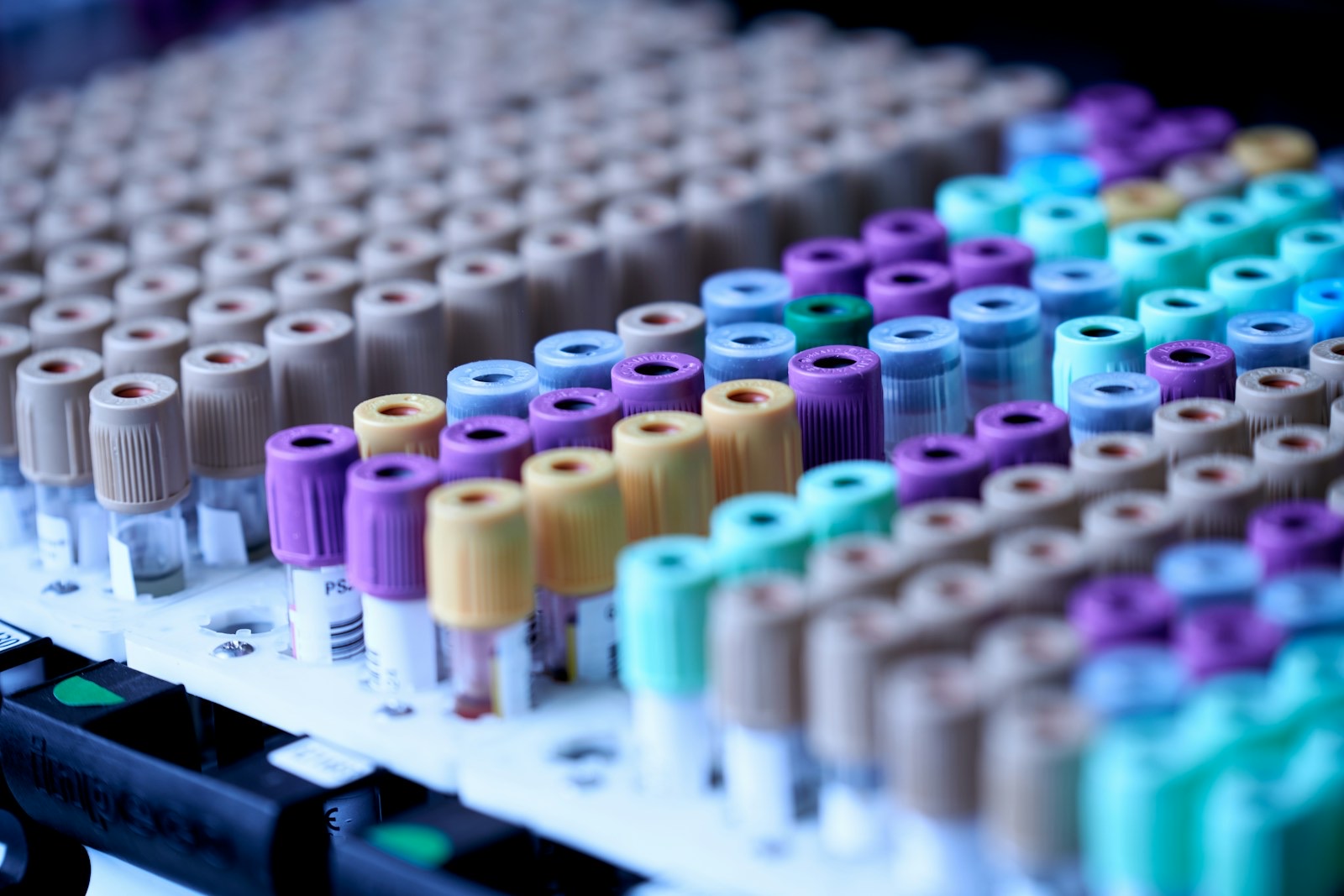
Clinicians describe the workable arrangement plainly: the wearable is a screening layer, generating hypotheses that medical-grade testing confirms, never a diagnostic in itself. Patients, notably, have accepted the framing, preferring a doctor who engages skeptically with their data to one who waves it away.
The maturation fits the wider pattern in digital health, from telehealth's operational second act onward: consumer technology becomes healthcare not when it is impressive, but when someone builds the boring machinery that decides what to do next.