AI
Inference Costs Move From Footnote to Line Item
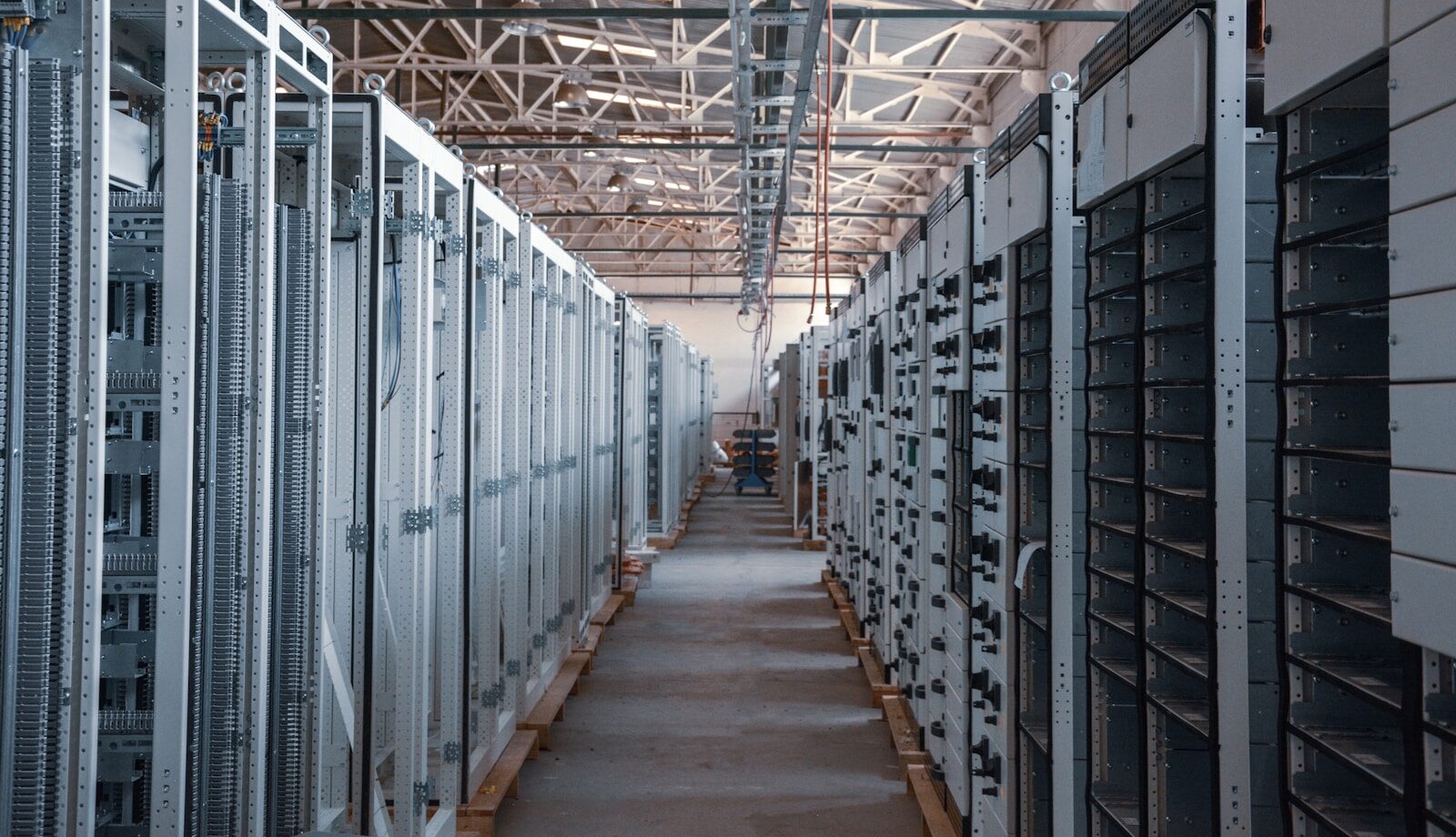
Training got the headlines and the capital budget. The recurring cost of running models in production is what finance departments are now trying to forecast, mostly badly.
Independent Business, Technology & Culture
Sunday, August 16th, 2026 105 stories Independent & Reader-Supported
Training got the headlines and the capital budget. The recurring cost of running models in production is what finance departments are now trying to forecast, mostly badly.

Companies that ignored security consultants for years are now doing exactly what their insurance carriers demand, because the alternative is being uninsurable.

A decade of frictionless departmental purchasing produced portfolios nobody inventoried. The consolidation now underway is being run by procurement, not engineering.
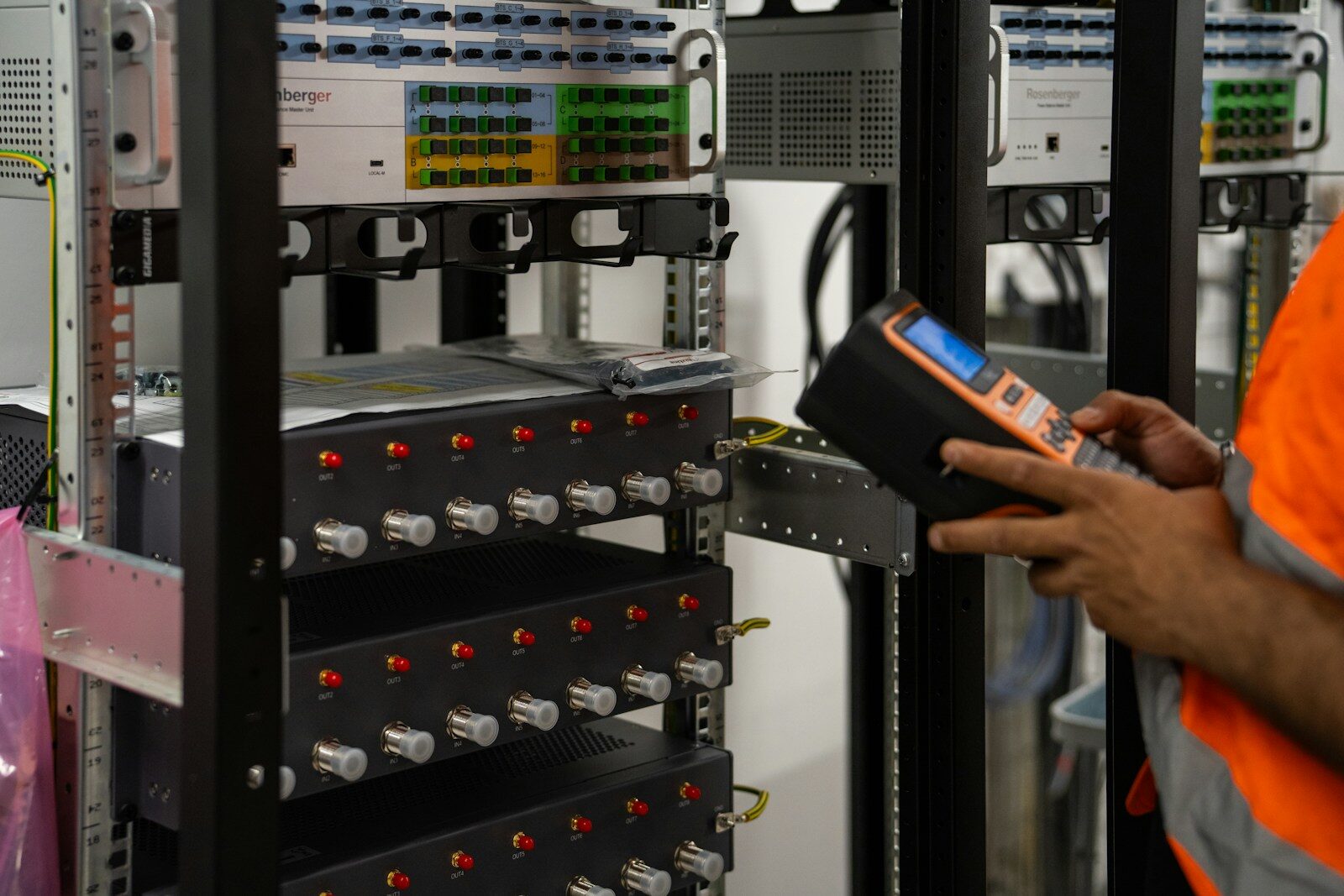
Corporate AI budgets are shifting out of innovation labs and into core operating lines, a change that is quietly redrawing how companies account for technology itself.

The most consequential AI deployments of the year are not chatbots. They are agents reconciling invoices, chasing documents and closing tickets nobody wanted to touch.

Federal statistics determine how hundreds of billions are distributed and how the economy is understood. Budget pressure and response-rate decline are straining them at once.

After a spending boom, employers are auditing what their mental health benefits actually deliver, and the results are separating clinical substance from wellness decoration.

Away from enterprise pilots and keynote demos, small firms are putting generative tools to work on the least glamorous parts of operating a business.

Passkeys work, are broadly supported, and are being adopted at a pace that has frustrated everyone who built them. The obstacles are almost entirely organizational.

Companies that once waited for a crisis to bring in operational leadership are now hiring chief operating officers years earlier, and the founders pushing hardest for it are the experienced ones.

Deployment has run well ahead of measurement. A striking number of production systems have no defensible answer to whether they are performing better than what they replaced.

The stores thriving in the post-e-commerce era have stopped competing on inventory and started competing on gathering, and the run club is the new loyalty program.

Organizations meter hours with industrial precision while treating focus, the input that actually produces the work, as free and infinite. The ledger is exactly backwards.
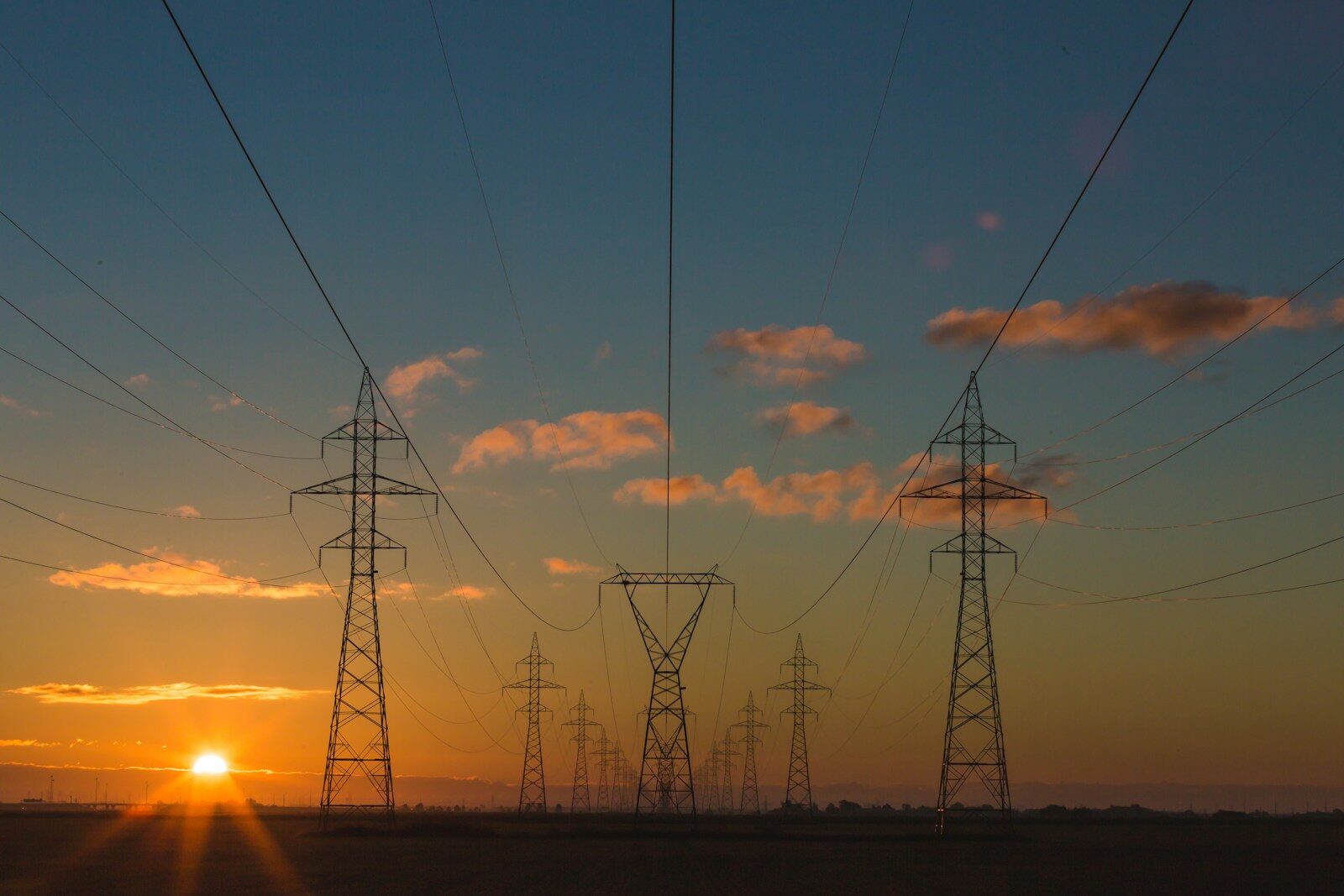
More generation capacity is waiting for permission to connect to the grid than is currently operating on it. The bottleneck is not construction or capital but a study process nobody designed for this volume.
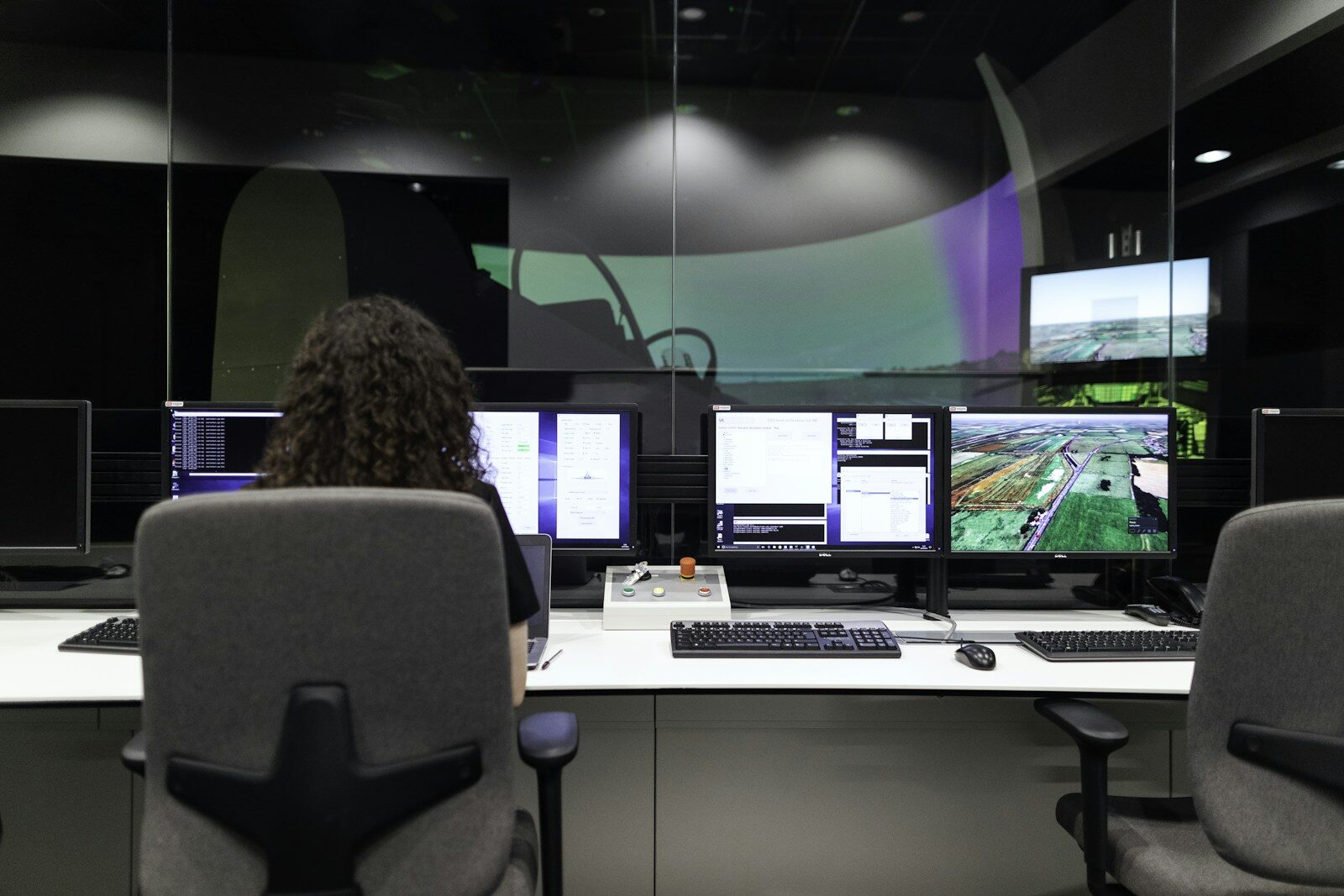
Companies built production systems on models that vendors retire on their own schedule. The resulting migrations are unplanned, unbudgeted and increasingly frequent.

Repatriation was dismissed for years as a vendor talking point. It is now a line item, driven less by ideology than by workloads whose usage stopped being unpredictable.

Adults are spending real money and real hours on demanding hobbies, and an economy of gear, instruction and community has organized around their seriousness.

After a long drought, public listings are returning in cautious single file. The companies going first are teaching everyone else the new rules.

The pandemic-era video visit flattened. What is growing instead is narrower and more durable: virtual clinics built around single conditions and long-term protocols.

Stored credentials, agent-driven purchasing and pay-by-bank rails are dissolving the traditional checkout page, along with the merchant's last moment of control.